






 Portuguese
  Spanish


Cherry Tung showed her routine in a garage adapted as a compact living space. The area includes a bedroom, living room, kitchen, and bathroom, as well as an independent entrance and practical solutions to make the most of each area.
An adapted garage has become part of Cherry Tung’s routine, a resident of Los Angeles. In the compact space, she combines a bedroom, living room, kitchen, and bathroom in an integrated configuration, designed to meet the essential activities of daily life.
On June 2, 2024, the British newspaper The Sun published Cherry’s story, who shared details of the experience of living in a small structure, separate from the main residence on the property.
The choice brought more privacy and an independent routine, but also revealed common challenges of small-sized properties: organization, thermal comfort, storage, and adapting a single space for multiple functions.
-
Brazil Faces Crisis as New Data Reveals Alarming Rates of Youth Unemployment and School Dropouts, with Joblessness More Than Double the National Average and High Informality Among Teens

-
Former Flamengo player and coach Filipe Luís gives up $1.4 million Rio mansion with 5 suites, private soccer field, and pool with hot tub to pursue a dream.
-
New Tourist Complex in Brazil’s São Paulo Coast Features 500-Meter Pier, James Bond-Themed Museum, Parking for 600 Vehicles, and 3,000 Jobs Expected After Opening
-
Brazilian Army Mobilizes Over 1,100 Troops, Vehicles, and Drones in Major Operation to Secure Key Certification


Bedroom, living room, kitchen, and bathroom occupied the same space
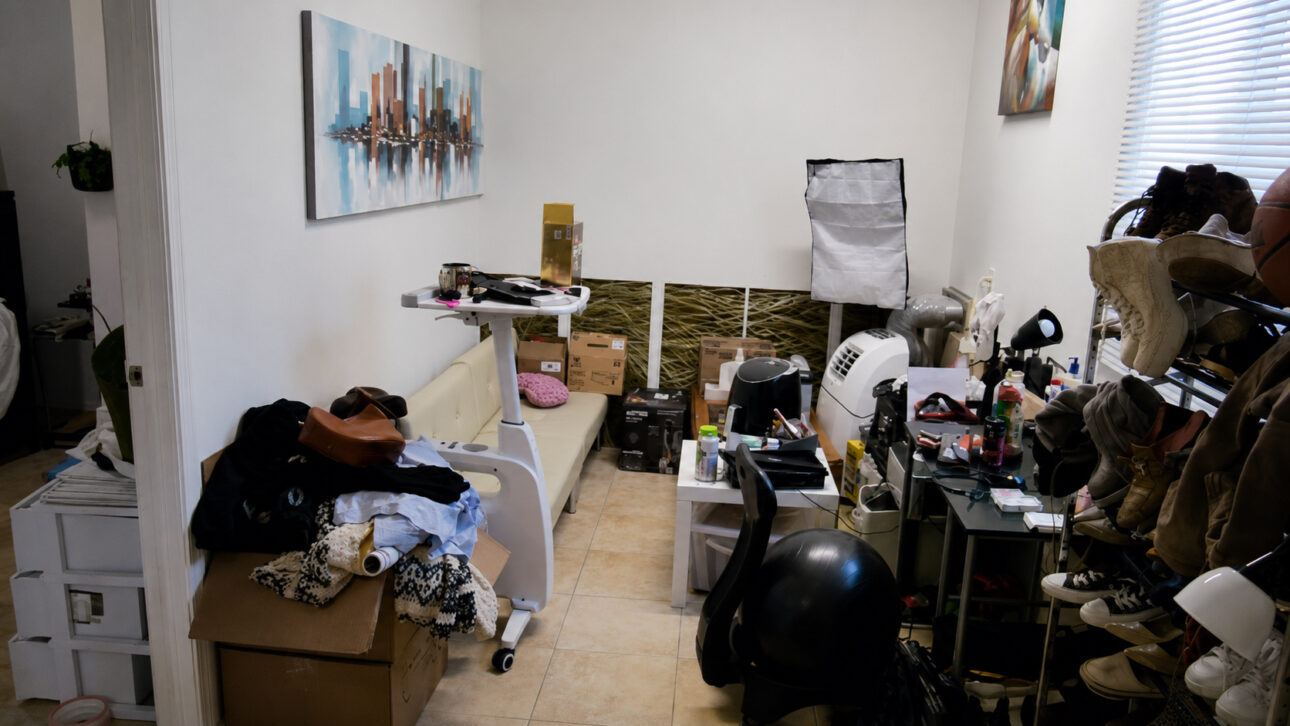
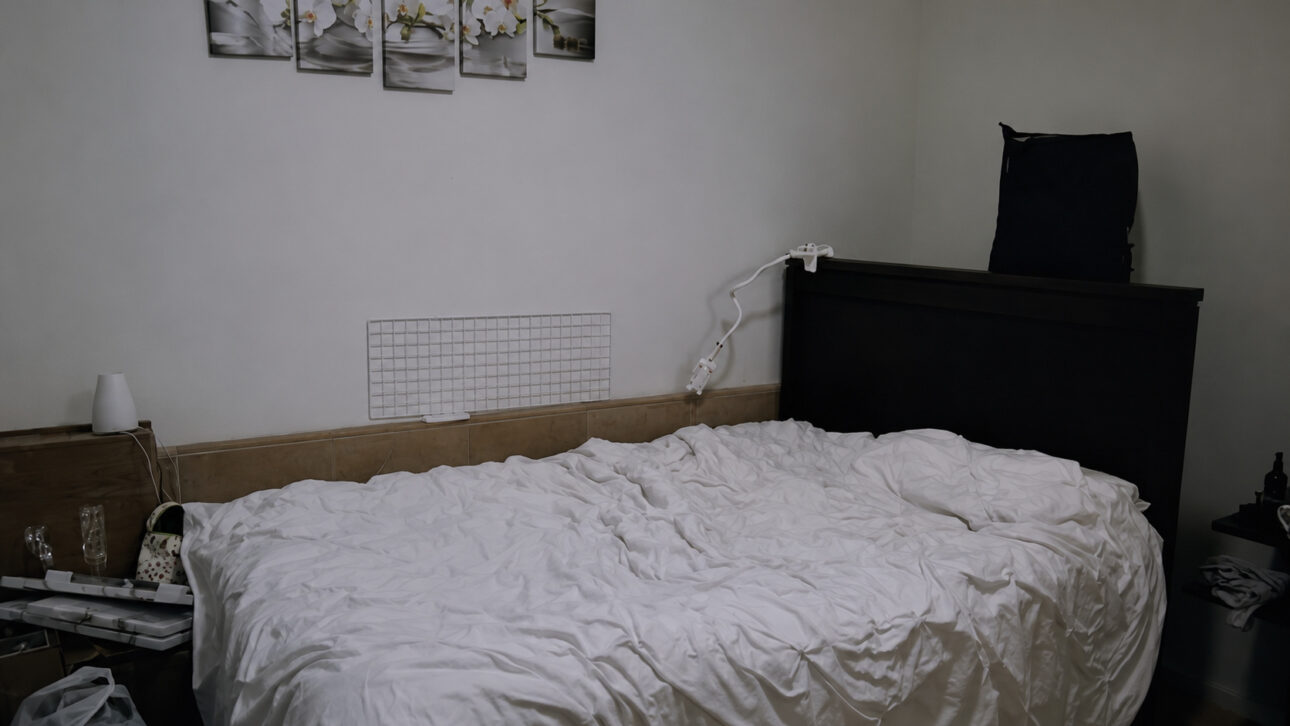
The garage was organized as a compact living space, with the main areas gathered in a single space. The configuration includes a place to sleep, prepare meals, bathe, relax, and store personal items.

The limited space requires that objects, clothes, utensils, and furniture have defined places. Boxes and bags occupy part of the surfaces, reinforcing a challenge known to those living in small properties: keeping circulation free without giving up what is necessary in the routine.
In a small house, organization ceases to be just an aesthetic choice. It becomes part of the environment’s functioning, helping to balance storage, comfort, and practicality.
The most evident point is the internal adaptation. The challenge, however, lies in transforming a structure originally designed for vehicles into a place that also accommodates rest, food preparation, hygiene, and leisure moments.
Compact living changed Cherry’s routine in Los Angeles
Cherry explained that she saw no need to maintain a larger living space at that moment in her life. For her, a compact space met basic needs and allowed for a simpler routine.
The garage began to function as a residential alternative with a bathroom, kitchen, and sleeping area. Even though it was small, the place offered its own structure for daily tasks.
The experience shows how different housing formats can change the way spaces are used. In smaller properties, each area needs to fulfill more than one function, and the routine depends on practical organizational choices.
Separate entrance increased privacy in daily life
According to The Sun, the garage had a separate entrance from the main house where the owner lived. This detail allowed Cherry to access her own home without relying on the internal circulation of the main residence.
The absence of neighbors upstairs was also noted as an advantage of the configuration. For Cherry, this avoided common noises in buildings or properties divided into different floors.
Although the independent entrance increased the sense of autonomy, it did not change the available square footage. The space still required careful choices about furniture, objects, and circulation.
In compact structures, a private entrance can bring more privacy. Even so, aspects such as ventilation, storage, lighting, and thermal comfort remain essential for the daily use of the property.
Thermal comfort, organization, and deliveries were part of the adaptation
One of the points mentioned by Cherry was the thermal comfort during winter. The insulation of the garage made the environment colder at certain times, highlighting the importance of evaluating this aspect in adapted constructions.
She also reported the presence of ants and other insects, as well as the need to maintain constant attention to cleanliness and organization in a property where all environments are close together.
Receiving deliveries was another detail of the routine. Since the garage was in a separate area from the main house, delivery people had difficulty correctly identifying the delivery location.
These situations help to show that living in a compact residence goes beyond accommodating furniture in fewer square meters. The experience also involves logistics, maintenance, and practical adjustments in daily life.
Adapted garage requires technical evaluation and local regulations
In Los Angeles, a residential unit created on the same property as a house can be classified as an ADU, which stands for accessory dwelling unit. This category includes spaces that function as independent residences within the same lot.
Municipal rules stipulate requirements related to construction, health, and safety. Therefore, a garage does not become a residence merely by installing furniture, painting, or decorating.
Before creating a bedroom, kitchen, and bathroom in a garage, it is necessary to check the applicable requirements for the property. Water, sewage, electricity, ventilation, emergency exits, and fire prevention must be evaluated according to the regulations of the responsible city.
The experience shared by Cherry reflects a personal choice and should not be treated as a construction guide or automatic model for other properties. Each adaptation depends on the existing structure, local legislation, and technical evaluation.
Compact dwelling requires a balance between privacy and comfort
The adapted garage offered Cherry Tung a more independent routine, with a bedroom, kitchen, bathroom, and separate entrance. At the same time, the experience required attention to thermal comfort, organization, storage, and daily logistics.
The case shows that a compact dwelling can cater to different lifestyles, provided the property has adequate conditions of safety, ventilation, infrastructure, and comfort for those who will use it.
In your opinion, which solution makes the most difference in making a small house more functional: independent entrance, custom furniture, or better organization of objects?


