






 Portuguese
  Spanish
  2 min of reading
  0 comments


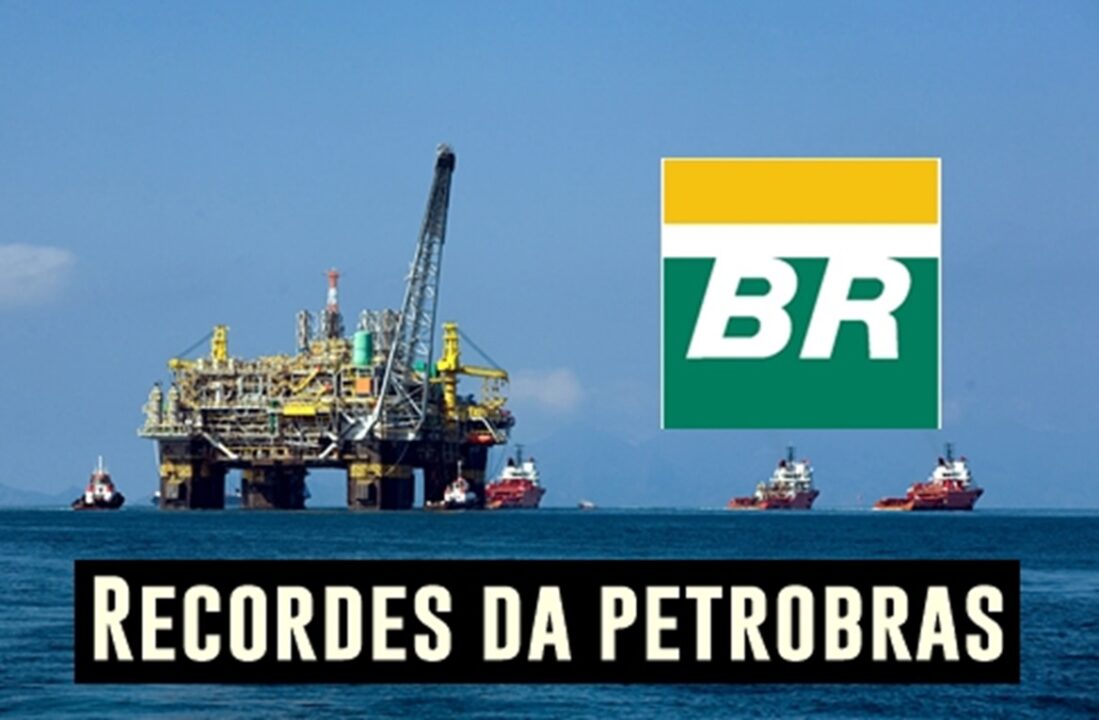
Petrobras Achieves Amazing Milestone In August, Breaking The Historic Record Of Pre-Salt Oil Processing And Surpassing The 2023 Mark
Petrobrasreached a historic milestone in August when it broke the record for pre-salt oil processing at its refineries, achieving 76% of the total processed load.
This performance exceeded the previous mark of 73%, recorded in June 2023. Throughout the year, from January to August, the company also reported significant figures, with 69% of the processed oil coming from the pre-salt, surpassing the 66% from the same period in 2022.

Pre-Salt Oil Provides A Higher Yield Of Medium Derivatives
According to William França, director of Industrial Processes and Products at Petrobras, the oil extracted from the pre-salt offers a superior yield of medium derivatives, such as aviation kerosene (QAV) and diesel, both of higher added value.
-
Oil production grows in Rio, but reserve replacement raises a warning sign

-
Petrobras is expected to complete the drilling of the Morpho well in the Foz do Amazonas in August 2026, the first well in the Equatorial Margin, an oil frontier that the ANP estimates at more than 30 billion barrels and could redraw the map of Brazil.

-
Oil returns to the center of concerns with tension between the US and Iran

-
IEA reduces forecast for global oil demand in 2026 after impacts of the Middle East crisis



“The record achieved reflects the optimization of assets and the application of innovative technologies, always respecting safety and environmental values,” says França. Compared to post-salt oil, pre-salt oil is more advantageous as it generates a greater quantity of these essential products for the industry.
Furthermore, pre-salt oil is characterized by high paraffinic content, a chemical property that gives the produced diesel superior quality. Another benefit is its low sulfur content, which contributes to a more sustainable refining operation and the production of cleaner derivatives, such as S-10 diesel and bunker.
This attribute has become increasingly relevant in the global scenario, where emission reductions and the search for more sustainable alternatives are priority issues.
Refinery Utilization Factor (FUT)
The good performance of Petrobras was also reflected in the Refinery Utilization Factor (FUT) in August, which reached 95%, the best result of the year. This index is an important indicator of the company’s operational efficiency, which has demonstrated great capacity to integrate its refining, logistics, and marketing areas.
According to Claudio Schlosser, director of Logistics, Marketing, and Markets at Petrobras, the company has significantly contributed to the growth of the domestic market. “We are operating in a competitive and safe manner, always preserving profitability and financial sustainability,” highlights Schlosser.
The success of Petrobras in increasing pre-salt oil processing shows the positive impact of reserves in this area. The pre-salt has been consolidating itself as one of the main pillars of oil production in Brazil, being essential to ensure energy security and the supply of high-value-added products.
The combination of technology, innovation, and sustainability continues to be the key to the exceptional results that the company has been achieving, positioning it as a reference in the global energy sector.








Be the first to react!