Portuguese
  Spanish



Incredible Weekly Gain in Oil Price Surprises Even with Drop in U.S. Drilling Rigs!
Drop in Drilling Rigs
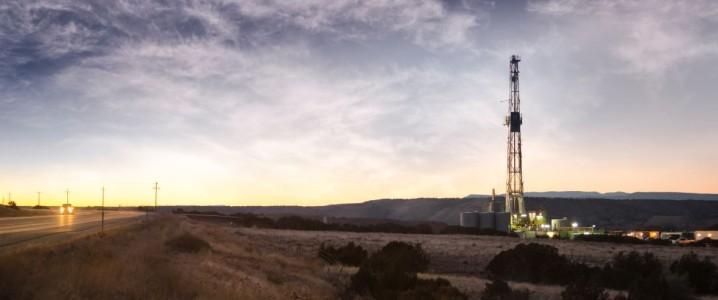
In an unexpected turn, the total number of active drilling rigs in the United States fell this week, according to recent data from Baker Hughes. The total number of rigs decreased by 2, now totaling 585, compared to 619 at the same time last year. This reduction comes at a time when the oil market is rising.
Details of the Drop
Specifically, oil rigs decreased by 5, totaling 479, a decline of 18 from the previous year. In contrast, gas rigs increased by 3, reaching 102, although they are still 16 below last year’s count. Miscellaneous rigs remained unchanged at 4.
-
OPEC+ Boosts Oil Supply by 188,000 Barrels per Day in July 2026, Leading to Price Drop from $112 to $89 per Barrel in Under Two Months

-
TotalEnergies Signs 20-Year Deal to Purchase 2 Million Tons of LNG from Alaska, Boosting Project Viability
-
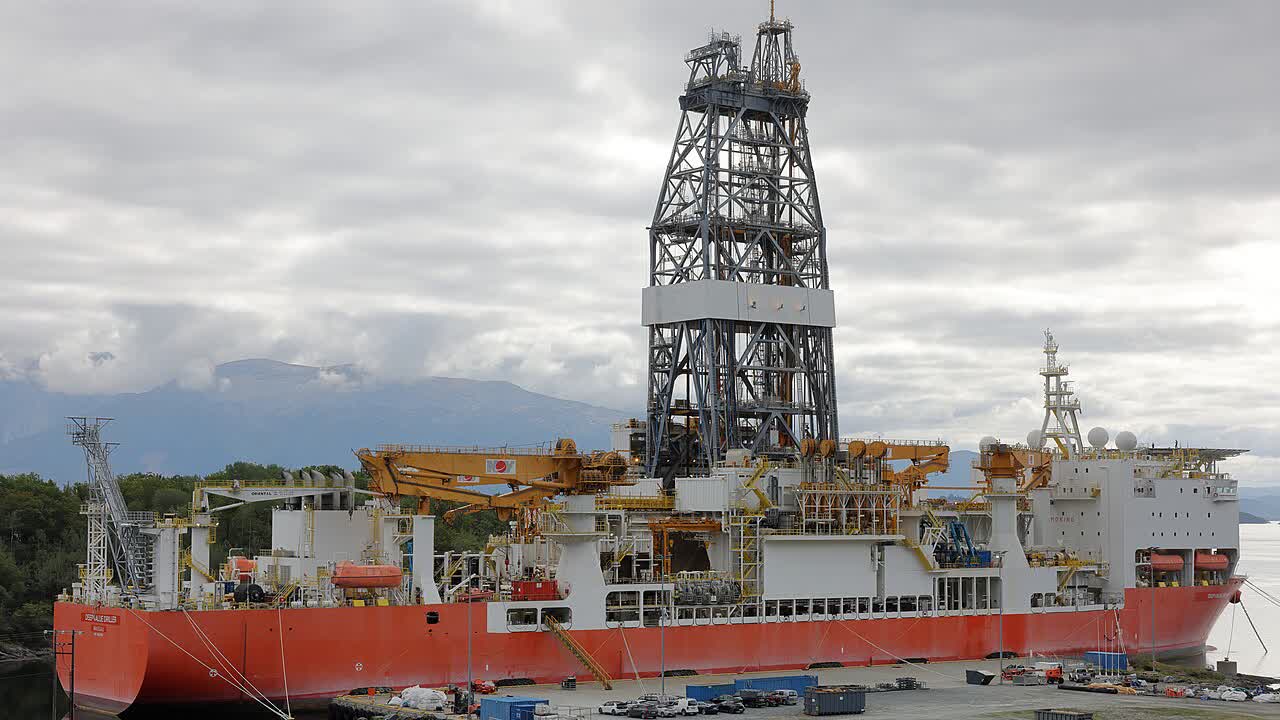
Turkey Deploys Çağrı Bey Drilling Ship to Explore New Oil Frontier Off Somalia’s Coast
-
Golden Pass LNG Ships First Liquefied Gas Cargo from the U.S., Completing $10 Billion QatarEnergy and ExxonMobil Investment

Oil Production on the Rise
Despite the reduction in rigs, crude oil production in the U.S. rose in the week ending September 27, according to estimates from the Energy Information Administration (EIA). Current weekly production is only 100,000 barrels per day below the historical record, reaching 13.3 million barrels per day.
Regional Drilling Activity
In the Permian, drilling activity fell by 2, totaling 304, just 5 less than last year. In Eagle Ford, the number remained stable at 48, unchanged from previous weeks, but still 2 below last year.
Impact on Oil Price
Oil prices surged on Friday, driven by fears of Israeli retaliation following Iran’s ballistic missile bombardment. The WTI benchmark rose $1.19, reaching $74.90, a gain of approximately $6.50 per barrel compared to the previous week. Brent also rose $1.06, reaching $78.63, nearly $7 higher than last Friday.
Final Thoughts
This scenario of rising prices, even with the drop in rigs, highlights the complexity of the oil market. Geopolitical factors and adjustments in production continue to strongly influence prices. The current volatility suggests that investors and analysts should remain alert to rapid changes in the global landscape.