






 Portuguese
  Spanish





Surprising Discovery! A Graveyard of Beetles with Hundreds of Abandoned Cars Has Been Found, Revealing a Treasure for Car Lovers. Check Out the Photos and Details of This Unexpected Collection!
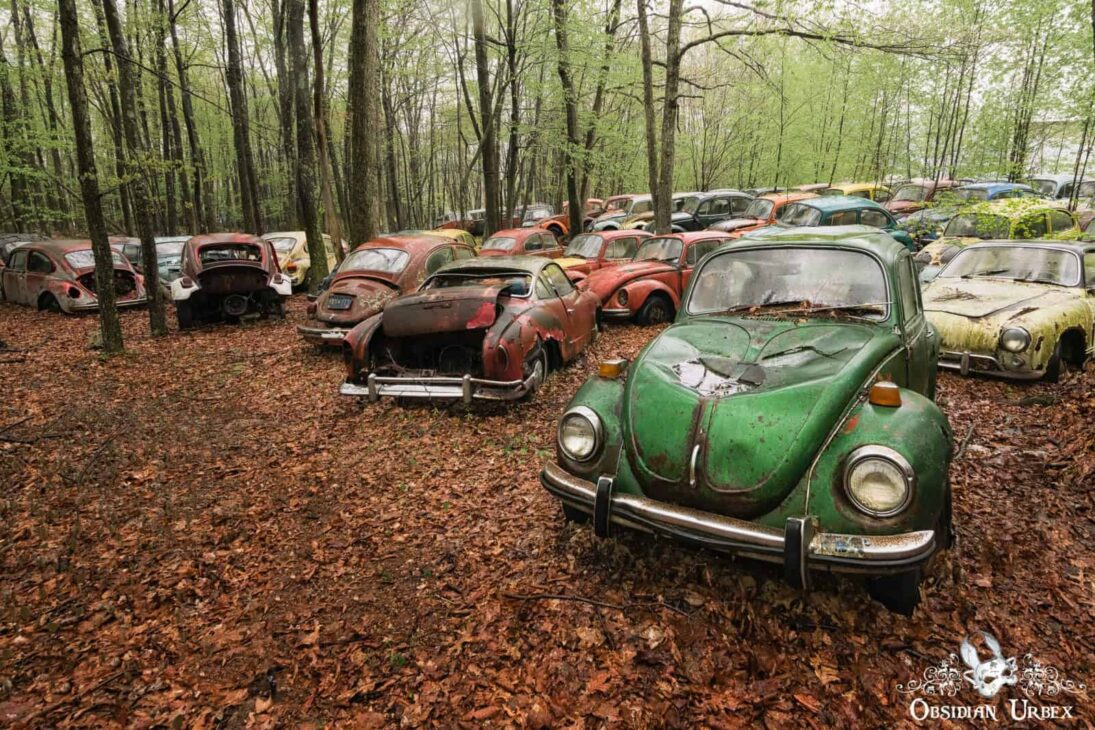
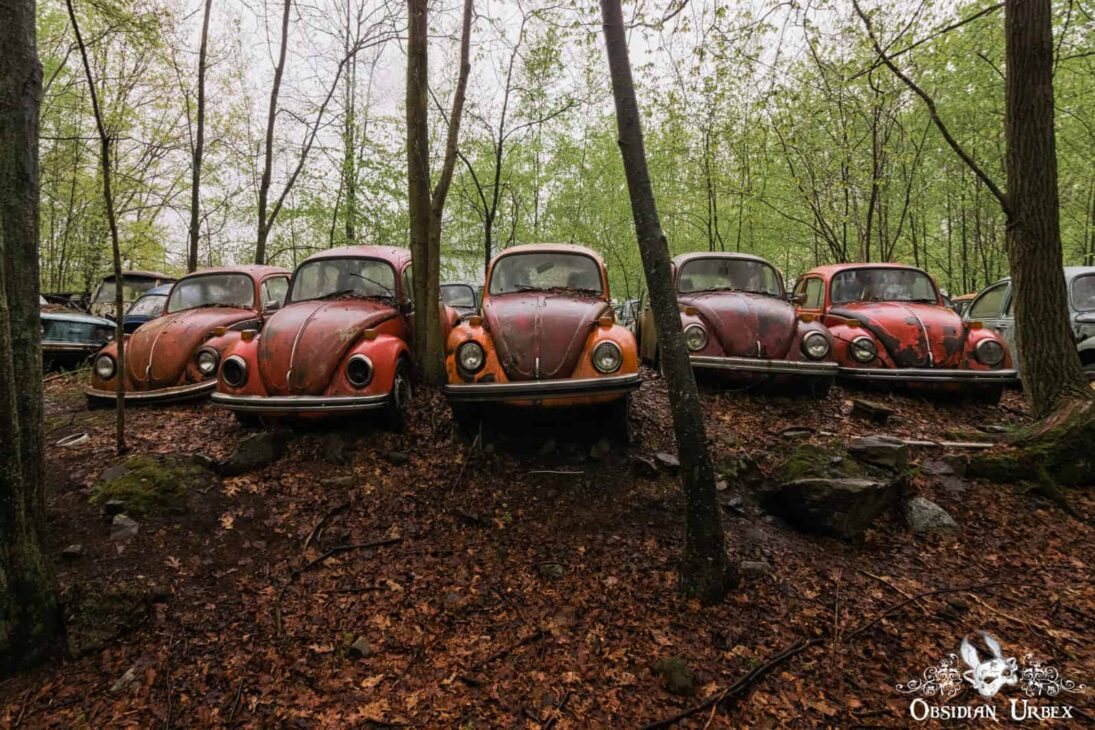
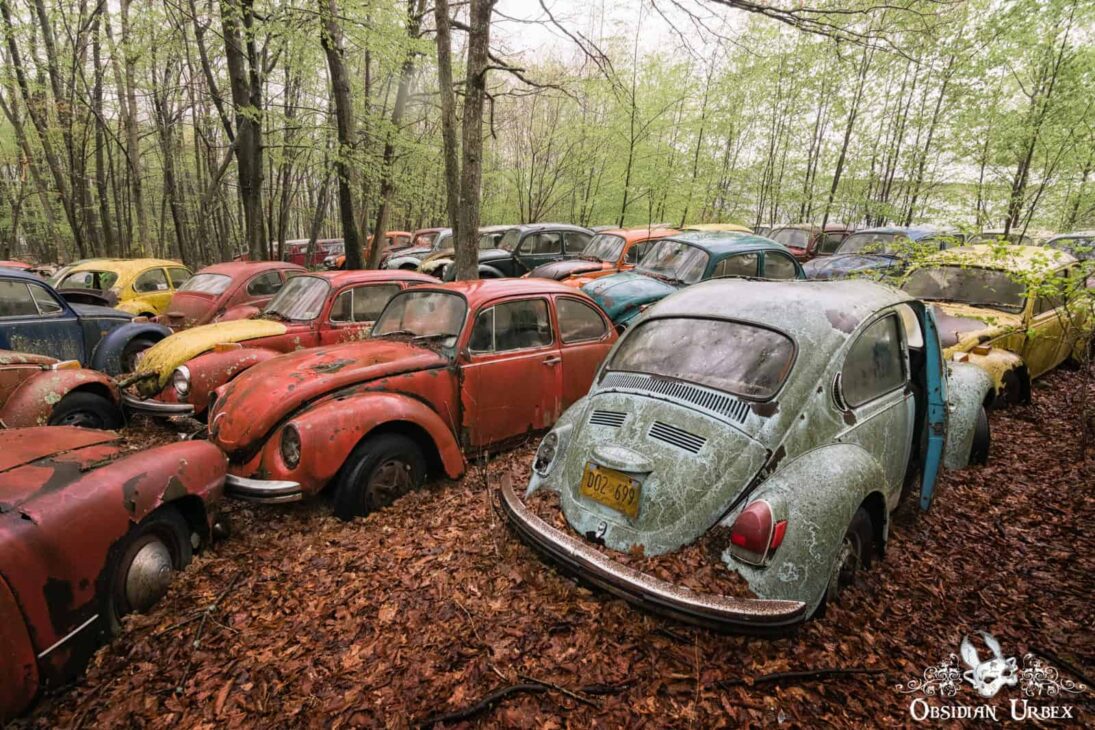
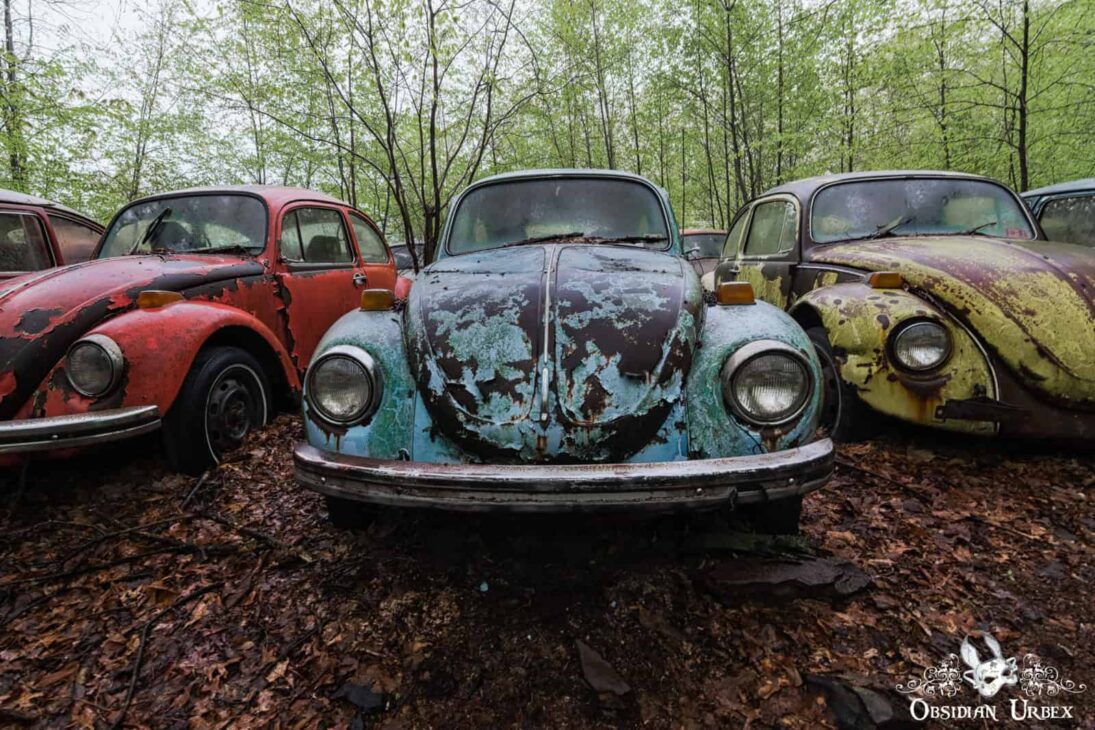
Amid a dense forest, a true automotive treasure lies abandoned. It is what many call a “beetle graveyard” – a place where hundreds of Beetles rest in organized rows, composing a scene that seems straight out of a movie.
These cars, mostly still complete, are divided by model and year, creating an unusual exhibition filled with memories for VW enthusiasts.
The Story Behind the VW Graveyard
Beetle lovers discovered this curious automotive repository during a trip through the countryside of the United States. The owner granted access to the land, allowing for a unique visit among the abandoned vehicles.
-
British Factory Transitions from Mechanical Parts to Producing 420,000 Electric Power Units Annually, Supplying 70% of Ford’s Electric Cars Sold in Europe

-
Toyota Shifts from Hybrid Cars to Electric Air Taxis with Joby’s 6-Rotor Aircraft, Capable of 322 km/h, Aiming for Mass Production to Electrify Urban Skies

-
Ferrari Unveils Limited Edition 12Cilindri Manuale: 6.5-Liter V12, 830 HP, 0-100 km/h in 2.9 Seconds, Top Speed Over 340 km/h, Only 1,499 Units Available

-
Discover the 2021 Fiat Cronos 1.3: Affordable Maintenance, Reliable Mechanics, and Fuel Efficiency of Up to 15.6 km/l


This junkyard seems to have closed its doors a few years ago, leaving behind an impressive collection of classic models that, despite the passage of time and rust, preserve their original features.
Each vehicle in the beetle graveyard tells a piece of the brand’s history, and this abandoned collection is also a reminder of the various colors and styles that marked the eras. Among the models, it is possible to find everything from classic Beetles to Campervans and Golfs, as well as a rare Rabbit LS from the 1980s.
There are also stacks of doors arranged by model, carefully propped against trees, and even a few lost Mercedes-Benz vehicles among the Volkswagens.
The Fascination with the Beetle: From Popular Car to Cultural Icon
The Beetle was officially launched in 1938 in Wolfsburg, Germany, but its initial production was limited to military use due to World War II. With the end of the conflict, the Volkswagen factory was reactivated and began mass-producing the Beetle, this time aimed at the civilian market.
This small car quickly became a best-seller in several countries, particularly in the United States and Latin America, where it won admirers for its style and durability.
In Brazil, the Beetle started being manufactured in 1959 and quickly became a phenomenon. Its affordable price and simple maintenance made it the best-selling car in the country in the 1980s. But it wasn’t a linear trajectory: the model experienced discontinuations and even a comeback in 1993, when President Itamar Franco encouraged national production of the “popular car.” Even with the definitive end of production in 1996, the Beetle remains one of the most remembered and beloved automobiles.
A Beetle with Rolls-Royce Style and Other Discoveries
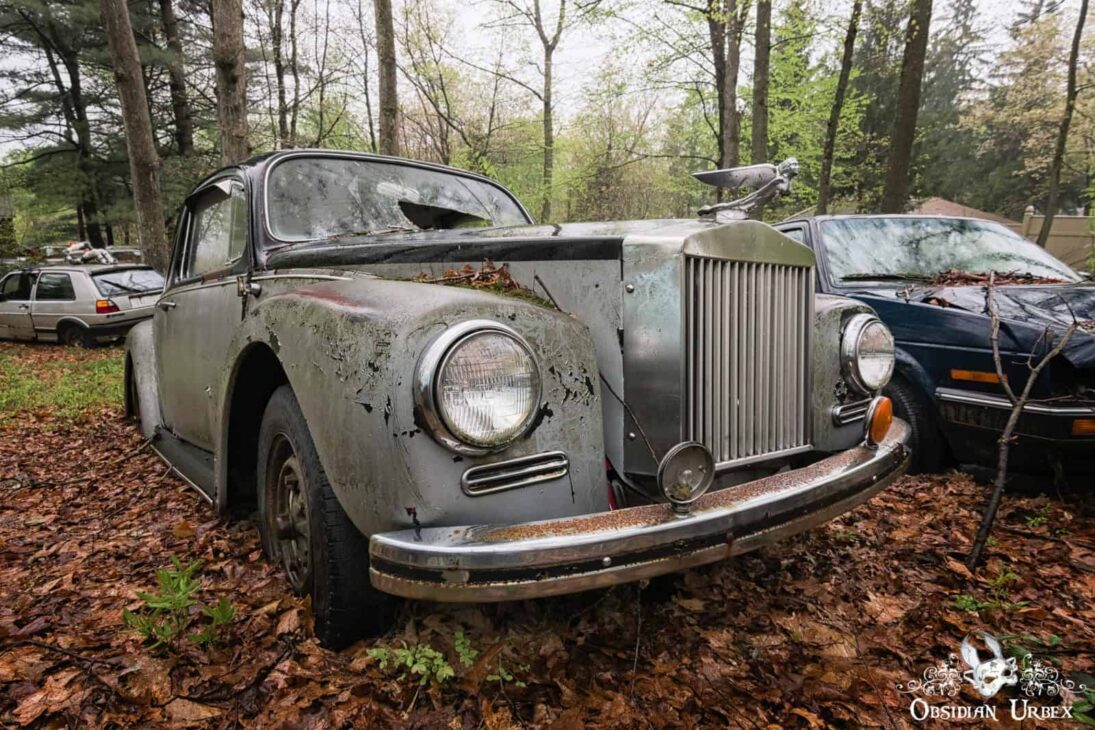
Among the vehicles in the graveyard, a customized Beetle stands out: painted gray with a front grille resembling that of a Rolls-Royce.
A closer inspection reveals that this Beetle was adapted with a fiberglass body kit, a common trend among enthusiasts at the time who wanted to give their vehicles a unique touch. These kits, popular in the US and UK, allowed the owner to transform the Beetle into something completely different without losing the essence of the car.
In addition to the “Rolls-Royce” Beetle, the location houses iconic Volkswagen models such as the Karmann Ghia. These cars, which combine the chassis and mechanics of the Beetle with the elegant design of Carrozzeria Ghia, are true rare gems.
The Karmann Ghias present in the graveyard, painted in shades of ivory and brown, are models manufactured between the late 1960s and early 1970s, identifiable by the size of the taillights and the characteristic bumpers.
A visit to the Beetle graveyard evokes nostalgia and curiosity. More than just a pile of old cars, the place symbolizes an era when the Beetle, and other Volkswagen models, marked generations.
For many, the Beetle is not just a means of transportation; it represents an era, a lifestyle, and a lasting passion. Even abandoned, these vehicles are still capable of telling stories and inspiring admiration.


nossa esses fuscas sao um montes