






 Portuguese
  Spanish
  3 min of reading
  0 comments


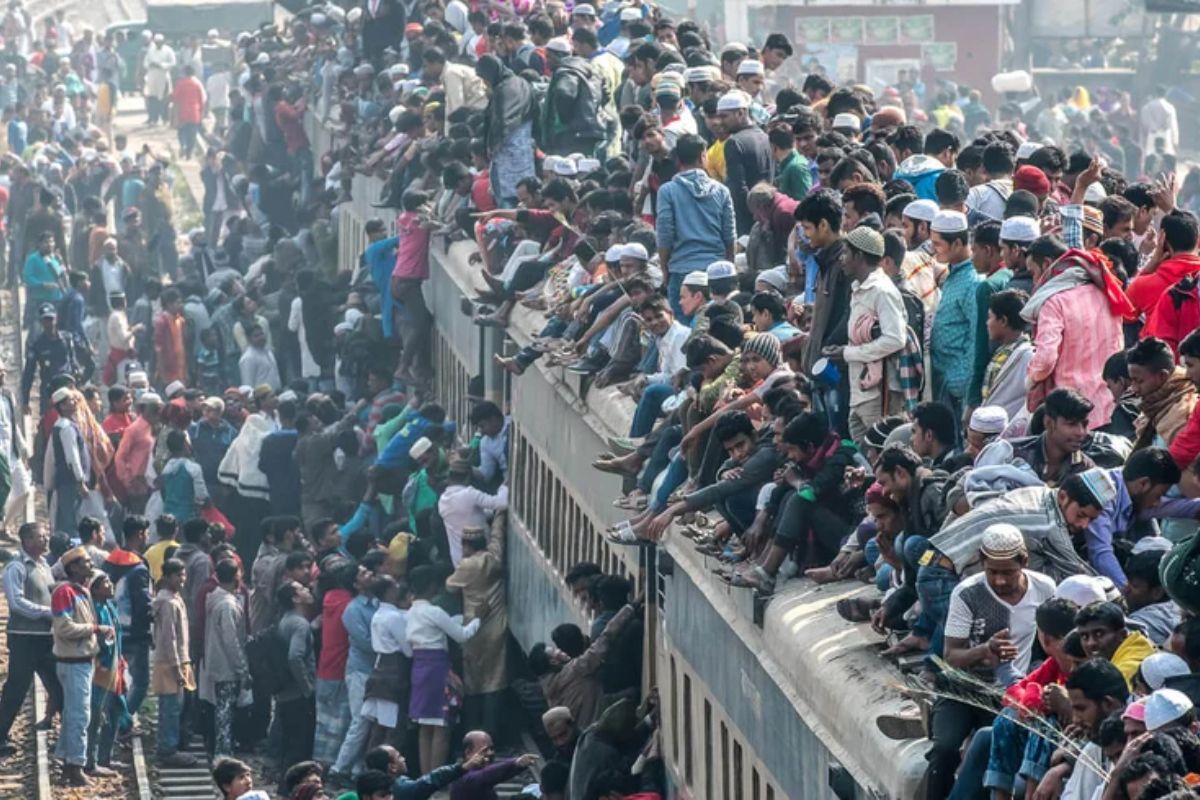
United Nations Report Confirms Historic Demographic Shift, with India’s Population Surpassing 1.428 Billion People.
According to the State of World Population Report, 2023, released by the United Nations Population Fund (UNFPA), India has officially become the most populous country in the world. The confirmation, which came in April 2023, marks a demographic transformation that reconfigures the global landscape and ends a long period during which China held the top spot in the rankings.
This historic change is the result of decades of distinct demographic trends in the two Asian giants. According to UN data, India’s population has reached 1.4286 billion people, surpassing China’s 1.4257 billion by nearly 3 million people.
The Official Confirmation from the United Nations
The news was consolidated by the United Nations Population Fund (UNFPA) in its annual report. The publication used projections based on the most recent available data to assert that India would surpass China by mid-2023, but the figures indicated that the transition occurred even in the first half of the year.
-
Brazilian mechanic invented a lamp made from a PET bottle during the 2001 blackout, the idea turned into an NGO present in 30 countries and has already illuminated 40,000 people in 200 communities without electricity in Brazil.

-
Centuries-old mystery gains new chapters in Greece after excavations reveal a possible lost temple of Poseidon, hidden among ancient lagoons, monumental remains, ritual objects, and an architectural plan that surprised even the experts.

-
2-month-old baby says “I love you” to parents and the video froze the internet: doctors say most babies only speak after the first year of life
-
At 98 years old, Priscilla Sitienei returned to school in uniform, sits next to children, and has a new dream: to become a doctor, after decades of working as a midwife in rural Kenya.



China, for its part, had already announced at the beginning of 2023 that its population shrank in 2022 for the first time in more than six decades. This decline, combined with India’s continuous growth, made the surpassing inevitable and marked a milestone for the 21st century.
The Factors Behind the Demographic Shift
The population trajectories of the two countries have been shaped by very different policies and social trends. China implemented a strict one-child policy from 1980 to 2015. Although the policy has been relaxed, its effects persist, resulting in a very low fertility rate and rapid population aging.
On the other hand, India has a significantly younger population. Decades of higher birth rates have resulted in a huge base of young people who are now of reproductive age. About 25% of India’s population is between 0 and 14 years old, ensuring that population growth will continue for several decades, even with the gradual decline in fertility rates.
The Great Opportunity and the Indian Challenge
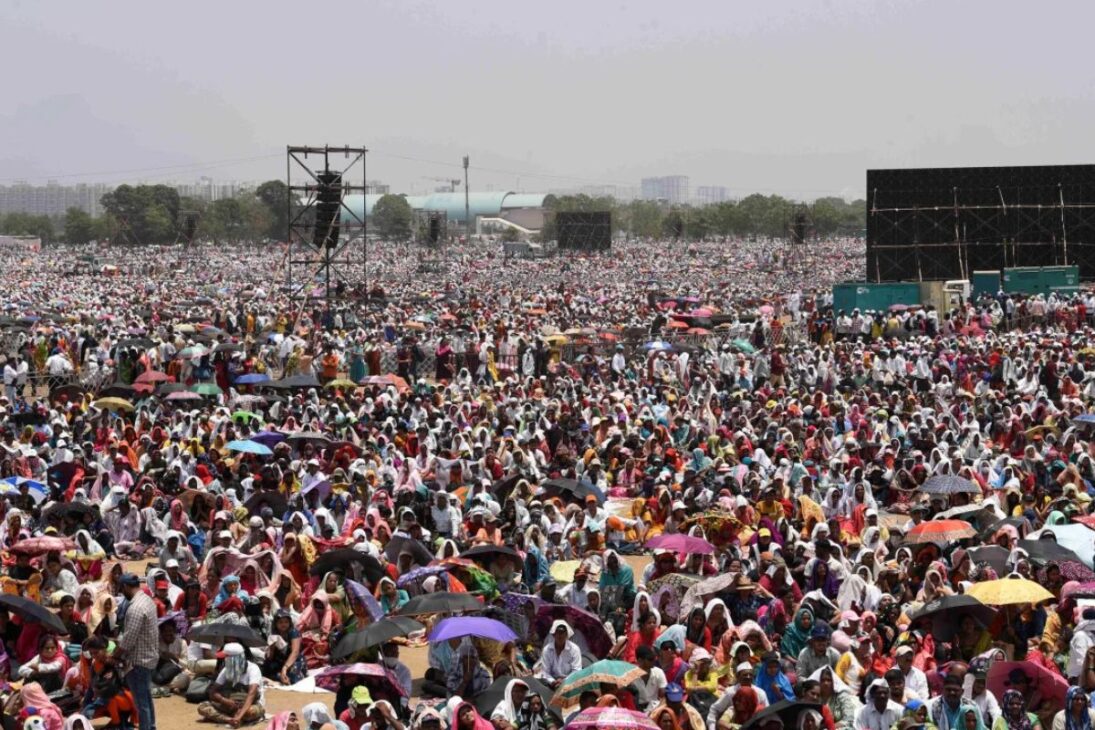
Being the country with the largest population in the world presents both immense opportunities and challenges for India. The main advantage is the so-called “demographic dividend”: a large proportion of the population in the working-age group (between 15 and 64 years), which can significantly boost economic growth. With more people working and fewer dependents (children and the elderly), the nation’s productive potential increases.
However, the challenge is equally monumental. The Indian government needs to create millions of jobs annually to absorb this young workforce. Additionally, it is necessary to ensure access to quality education, efficient healthcare services, and adequate infrastructure for a population that will continue to grow.
The Population Future of India and China

United Nations projections indicate that this new demographic reality will intensify. The expectation is that India’s population will continue to grow until it peaks at nearly 1.7 billion around 2064, only to begin to decline slowly thereafter.





Be the first to react!