






 Portuguese
  Spanish



New Legislation Approved by the National Congress and Signed into Law in January 2026 Creates a New Regulatory Framework, Raises Legal Requirements, and Is Expected to Drastically Reduce the Number of Active Creators in Brazil
A structural change in Brazilian digital marketing came into effect at the beginning of 2026 and has since caused profound adjustments in the sector. Law No. 15,325/2026, approved by the National Congress and signed into law on January 6, 2026, officially recognizes influencers as “multimedia professionals” and imposes new legal, tax, and transparency obligations for operating on social media.
Since then, the digital environment operates under a new regulatory framework, which redefines the role of content creators in Brazil. Thus, right at the beginning, the legislation makes it clear that advertising campaigns require legal accountability, alongside standardized professional conduct, especially when involving commercial endorsements.
Legal Recognition Creates a New Regulatory Framework
First of all, the approval of the law represents a watershed moment in how the country treats the activity. Starting in January 2026, influencers leave informality and begin to operate as economic agents with clear and defined duties.
-
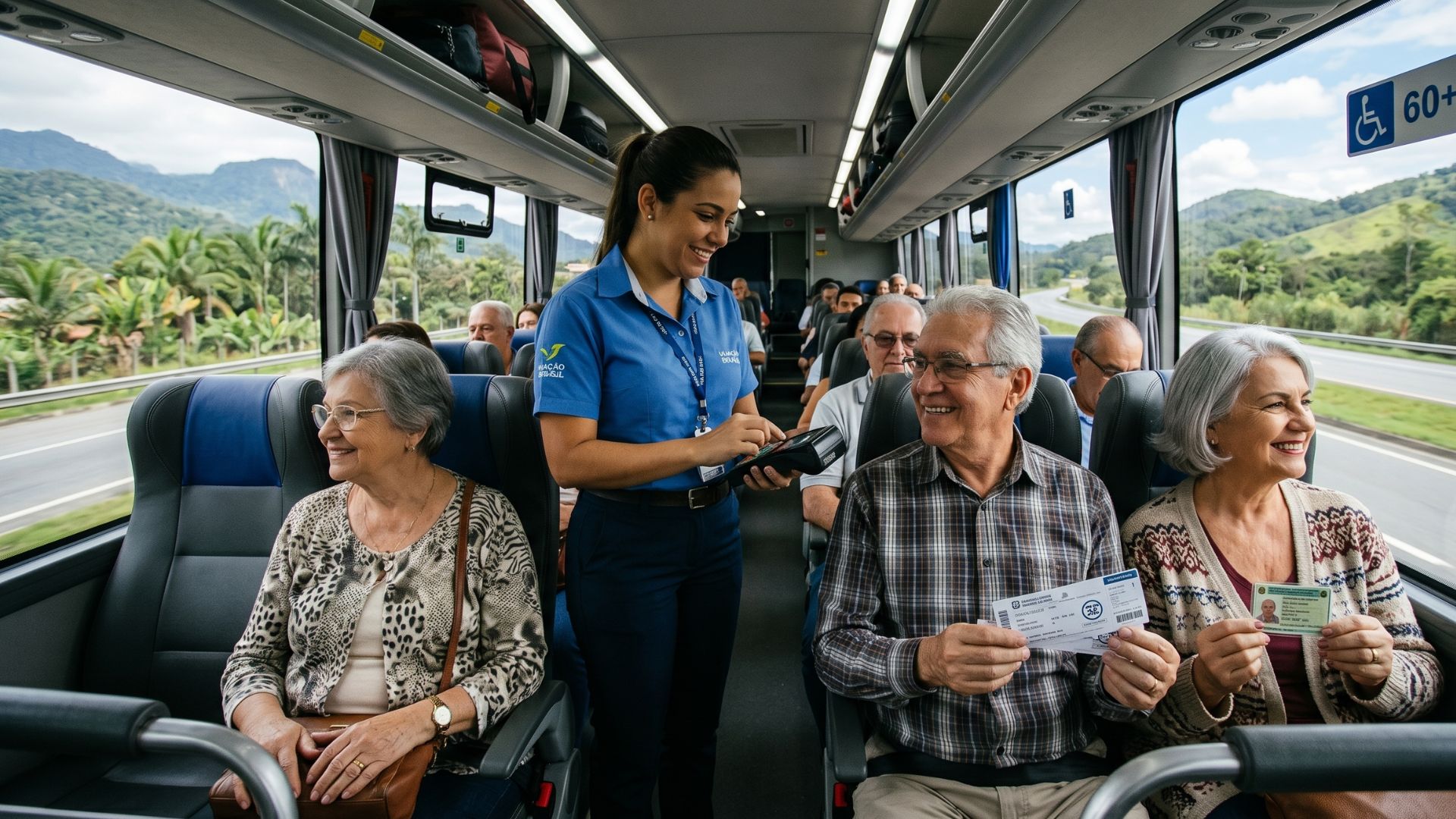
Seniors Over 60 Can Travel for Free Across Brazil: Elderly Statute Ensures Two Free Bus Seats and 50% Discount When Full for Low-Income Passengers

-
Detran RJ starts requiring a toxicological test for those obtaining their first driver’s license in the car and motorcycle category starting June 29; see who will be affected.

-
Florida takes TikTok to court and accuses the Chinese giant ByteDance of ignoring the law that bars minors under 14, while parents and authorities demand more protection for children on social networks.
-
Chamber approves constitutional amendment reducing the age of criminal responsibility from 18 to 16 years; what now?



In this sense, the legislation requires compliance with transparency regulations, taxes, and legal accountability, strengthening control over advertising practices. Consequently, the legal text seeks to raise the level of professionalization in the sector, ensuring that endorsements occur in a conscientious and well-founded manner, as per the approval of the National Congress.
Term Change Reinforces Professional Conduct Requirement
One of the key points of Law No. 15,325/2026 is the replacement of the generic term “influencer” with “multimedia professional”. With this, the legislation puts an end to amateur practices and reinforces the need for standardized conduct and transparency in digital actions.
Furthermore, the new categorization expands the legal accountability of creators, as, since January 2026, their activities must follow clear legal obligations. Thus, the risk of misleading endorsements is likely to decrease, benefiting consumers and advertisers.
Expectation of a Reduction in the Number of Influencers
With the enactment of the new law, the market has begun to project a significant reduction in the number of active influencers in Brazil. This happens because, in addition to professionalization, the legal requirements push away informal practices that were previously common in the digital environment.
Thus, only those creators who adapt to the rules are expected to remain active, solidifying a more organized market. Therefore, the decrease in the number of active profiles arises as a direct consequence of the new regulatory framework, in effect since 2026.
Impacts on Platforms and Advertisers
Simultaneously, digital platforms and advertisers face significant changes. With the law in effect, companies are reviewing contracts, internal policies, and operational procedures, ensuring compliance with the requirements set by the National Congress.
In this context, the entire digital marketing ecosystem feels the effects of the legislation, as commercial relationships become more formal and legally secure, with responsibilities more clearly distributed.
New Guidelines in the Relationship with Followers
Finally, the relationship between multimedia professionals and followers must now follow new guidelines for accountability, with special attention to advertising aimed at children. Although Law No. 15,325/2026 does not provide specific rules on this topic, other laws in effect and in progress reinforce consumer protection and the prevention of misleading endorsements.
Thus, since January 2026, influencer marketing in Brazil has entered a new phase, marked by greater transparency, legal requirements, and professional accountability, structurally redesigning the future of digital operation in the country.







Be the first to react!