






 Portuguese
  Spanish
  5 min of reading


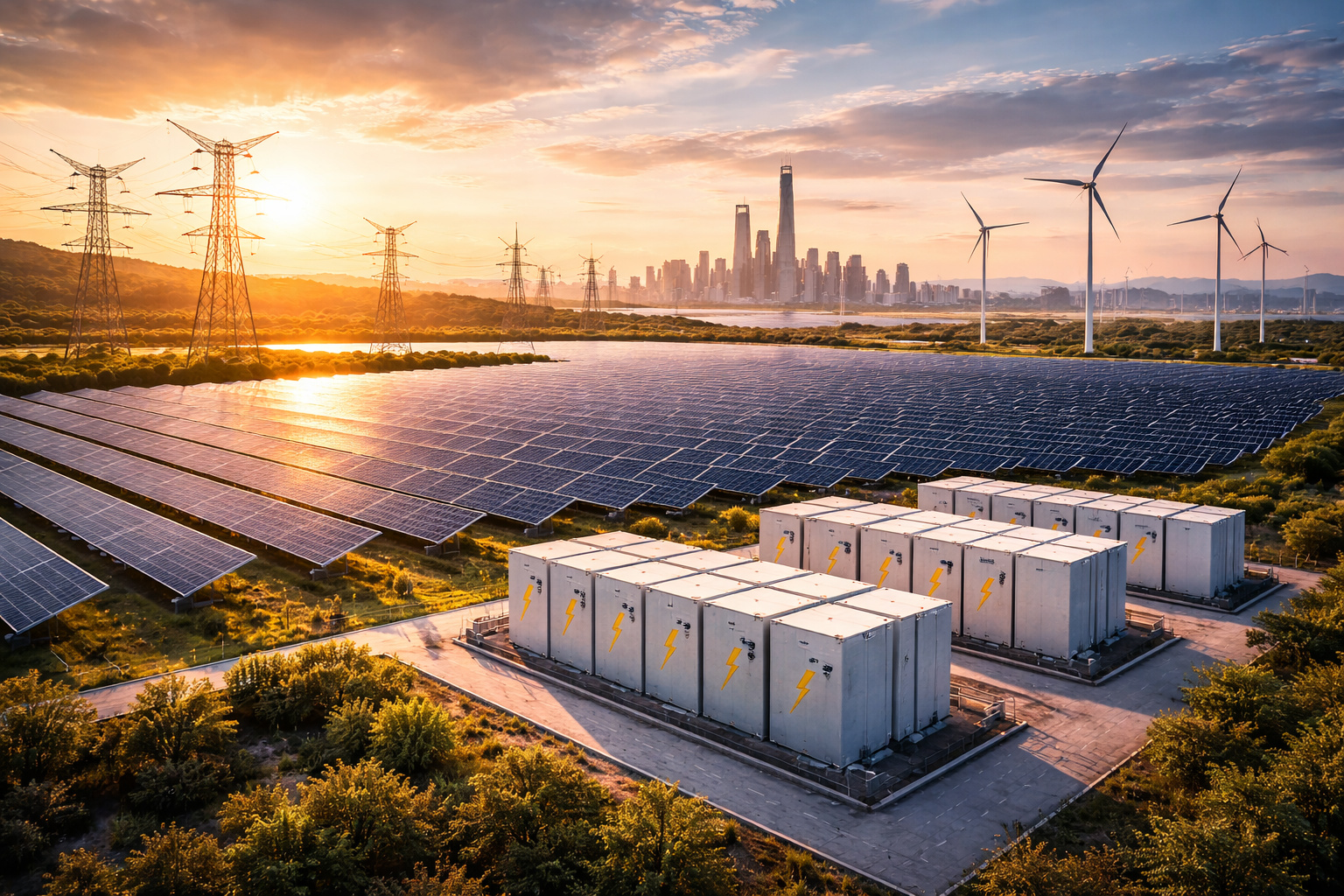
Solar Energy in Brazil Is Going Through a Decisive Moment. After Adding 11.4 Gigawatts in 2025, the Sector Begins to Look to 2026 with Even Higher Expectations.
However, now, growth does not depend only on the installation of new panels. On the contrary, it passes through the integration between generation, storage, and operation of the electric system.
In this regard, the rapid advancement of solar energy in recent years has revealed important limitations. On one hand, the source has grown rapidly. On the other hand, the electrical infrastructure has not kept pace. As a result, generation cuts and operational challenges have become more frequent. In light of this, batteries have gained prominence.
According to data released by the federal government in 2025, Brazil has consolidated itself among the largest solar energy markets in the world. Still, experts warn that sustainable growth depends on solutions that balance supply and demand. Therefore, storage emerges as a central piece of this new phase.
-
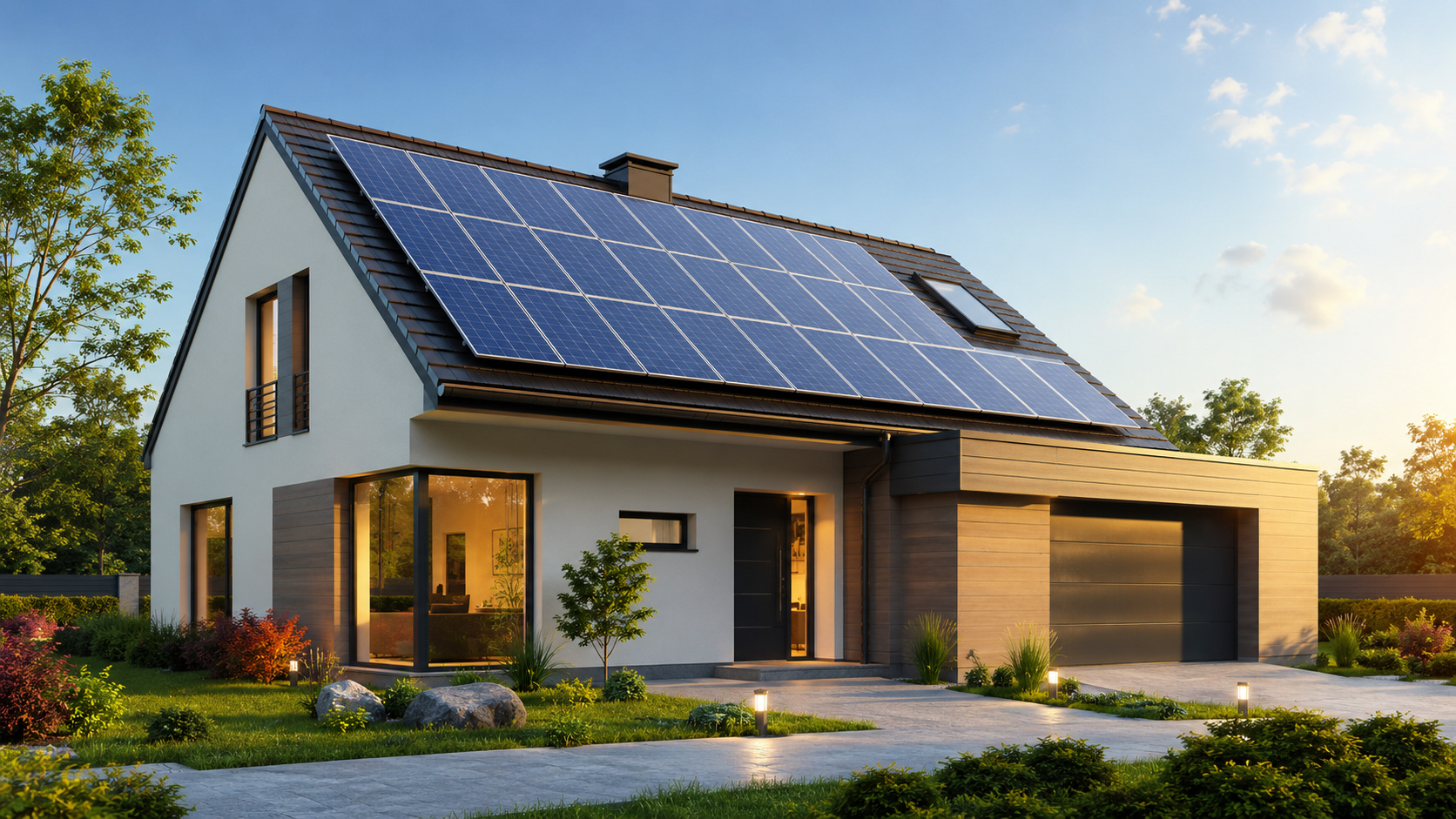
Solar energy can increase property value by up to 10% and become a selling point.

-
Solar and wind energy surpass natural gas for the first time in the world and accelerate energy revolution

-
Africa has about 500,000 cell towers and most still burn diesel to operate, while companies rush to cover antennas with solar energy and avoid signal blackouts.
-
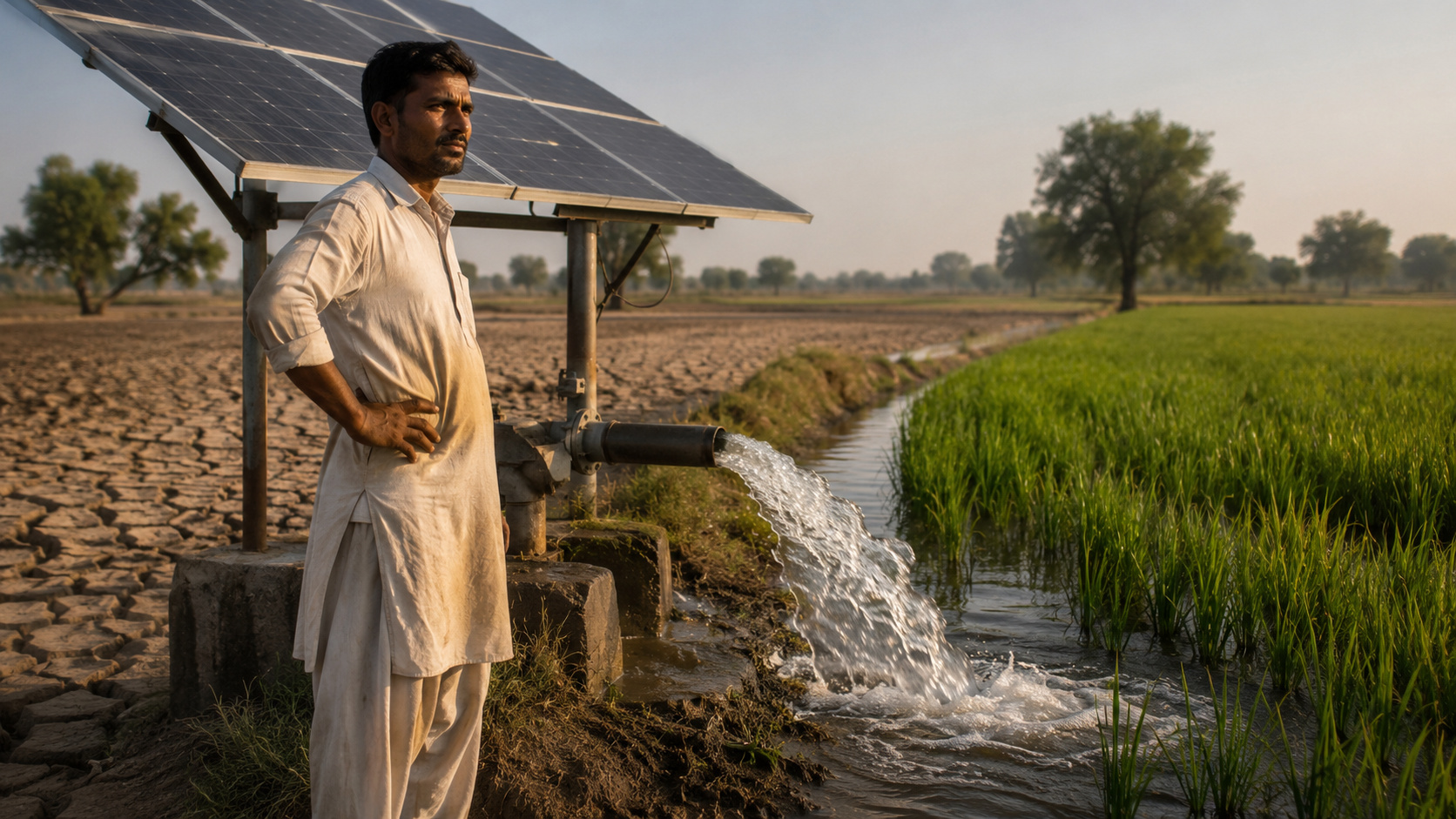
Farmers swapped diesel for solar panels in Pakistan, powered irrigation pumps almost cost-free, expanded rice fields, and now groundwater has become a red alert in the countryside.


Solar Energy and the Historical Growth in Brazil
To understand the current moment, it is essential to observe the trajectory of solar energy in the country. Until the early 2010s, photovoltaic sources had a limited share in the energy matrix. However, starting in 2012, with the regulation of distributed generation by the National Electric Energy Agency, the scenario began to change.
From this milestone, the drop in equipment costs accelerated adoption. Moreover, the abundance of solar radiation favored growth in all regions. As a consequence, solar energy stopped being complementary and began to occupy a central position in Brazilian electrical expansion.
However, this growth occurred faster than the adaptation of infrastructure. Thus, reports from the Energy Research Company published between 2022 and 2024 began to indicate the need for operational flexibility. Without this, the system would face increasing losses.
The Role of Batteries in the Future of Solar Energy
It is precisely in this context that the opening of the battery market in 2026 becomes strategic. By allowing the storage of solar energy generated during the day, batteries broaden the utilization of the source. Additionally, they enable the use of energy during peak consumption times.
According to the Ministry of Mines and Energy, the country is preparing to hold the first Capacity Reserve Auction (LRCAP) aimed at storage solutions. Thus, the government seeks to create a more predictable regulatory environment. At the same time, it aims to attract new investments.
Although the debate about batteries involves the entire electric sector, it is solar energy that benefits the most from this opening. After all, due to its intermittent nature, the source directly relies on solutions that ensure stability and predictability for the system.
Solar Energy, Innovation, and Sector Events
In addition to regulation, technological innovation also drives the sector. In this scenario, the holding of the SNEC PV & ES Latin America reinforces expectations for 2026. The event, which will take place in March in São Paulo, is expected to showcase new solutions in storage, digitalization, and energy management.
According to the organizers, SNEC brings together manufacturers, investors, and policymakers. Thus, the event creates a favorable environment for knowledge exchange. Consequently, it accelerates the adoption of essential technologies for the future of solar energy.
Historically, meetings of this scale function as catalysts for investment. In this way, they help align technological innovation and long-term energy planning.
Solar Energy and Attracting Investments
At the same time, strengthening the solar energy ecosystem improves the market’s risk perception. Therefore, investors begin to see the sector with greater confidence. Regulatory predictability and solutions for intermittency become decisive factors.
According to the World Bank, countries that combine solar energy expansion with investments in storage can sustain longer growth cycles. In other words, generation and storage need to advance together.
In Brazil, this learning becomes even more relevant. Although the 11.4 gigawatts added in 2025 demonstrate strength, without batteries, part of the solar energy goes underutilized. Thus, storage enhances the economic return of already installed projects.
Solar Energy and Electric System Security
Another central point involves energy security. As the share of solar energy grows, the electric system requires more flexibility. According to the International Energy Agency, storage ranks among the most effective solutions for this challenge.
In Brazil, integrating batteries strengthens solar energy and reduces dependency on thermal sources during critical moments. Moreover, it improves responsiveness to climatic variations. As a result, the system becomes more efficient and resilient.
This advancement also generates positive economic effects. By avoiding emergency triggers, the system reduces costs and increases predictability for consumers and businesses.
Solar Energy and Long-Term Planning
The projected scenario for 2026 indicates a clear shift in maturity. Now, solar energy is no longer seen merely as a source of rapid growth. Therefore, it begins to integrate into a more sophisticated planning based on efficiency and integration.
According to the Energy Research Company, recent decade plans already incorporate storage as a central element of the national electrical strategy. In this way, batteries are likely to become a permanent part of the development of solar energy in the country.
This planning reduces uncertainties. Furthermore, it attracts capital and prepares Brazil to further increase the share of solar energy in the energy matrix.
A New Cycle for Brazilian Solar Energy
When analyzing the current scenario, it becomes evident that Brazilian solar energy is entering a new cycle. The opening of the battery market in 2026 is a watershed moment, allowing growth to occur sustainably.
According to the federal government, the combination of auctions, technological innovation, and international events creates a favorable environment for new investments. At the same time, it strengthens Brazil’s position in the global solar energy landscape.
Thus, the projected expansion for 2026 goes beyond increasing installed capacity. It represents a maturation of the sector, in which solar energy grows supported by storage, planning, and efficiency, ensuring solid and lasting development.



Be the first to react!