Portuguese
  Spanish


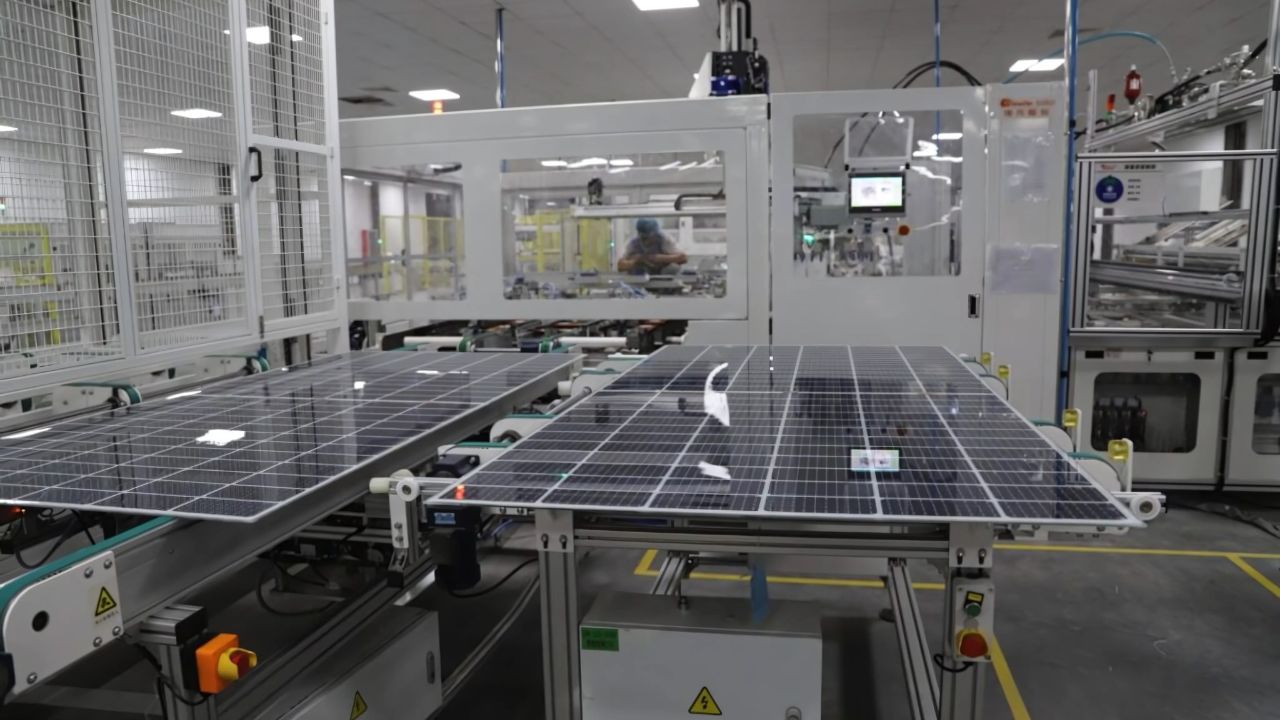

Inmetro Opens Laboratory in RJ to Test and Certify Solar Panels, Ensuring More Safety, Quality, and Consumer Protection.
The National Institute of Metrology, Quality and Technology (Inmetro) inaugurated, last Tuesday (22), a modern testing laboratory for solar panels at the Xerém campus in Duque de Caxias (RJ).
The space was designed to expand the national capacity for testing and certifying photovoltaic modules, strengthening market confidence in the products offered in the country. The initiative also targets combating unfair competition and consumer protection, given the increase in equipment with performance lower than declared.
New Inmetro Laboratory Increases Rigor in Solar Panel Testing
With the new structure, Inmetro takes a leading role in the technological and regulatory development of solar energy in Brazil, reinforcing the quality of solar panels and promoting the integrity of the sector.
-
Giant Batteries Take Center Stage in Chile Auction as Company Offers 960 GWh of Solar Energy for Nighttime Use, Aiming to Stabilize Solar Power Supply

-
World’s Largest Engie Solar Plant in Brazil Highlights Billion-Dollar Energy Waste Issue: Company Considers Batteries and Bitcoin Mining to Avoid Wasting Production

-
Over 60 Tractors Take to the Streets in Lopera as Solar Parks Compete with Olive Groves, Affecting 13,000 to 100,000 Trees According to Conflicting Reports
-
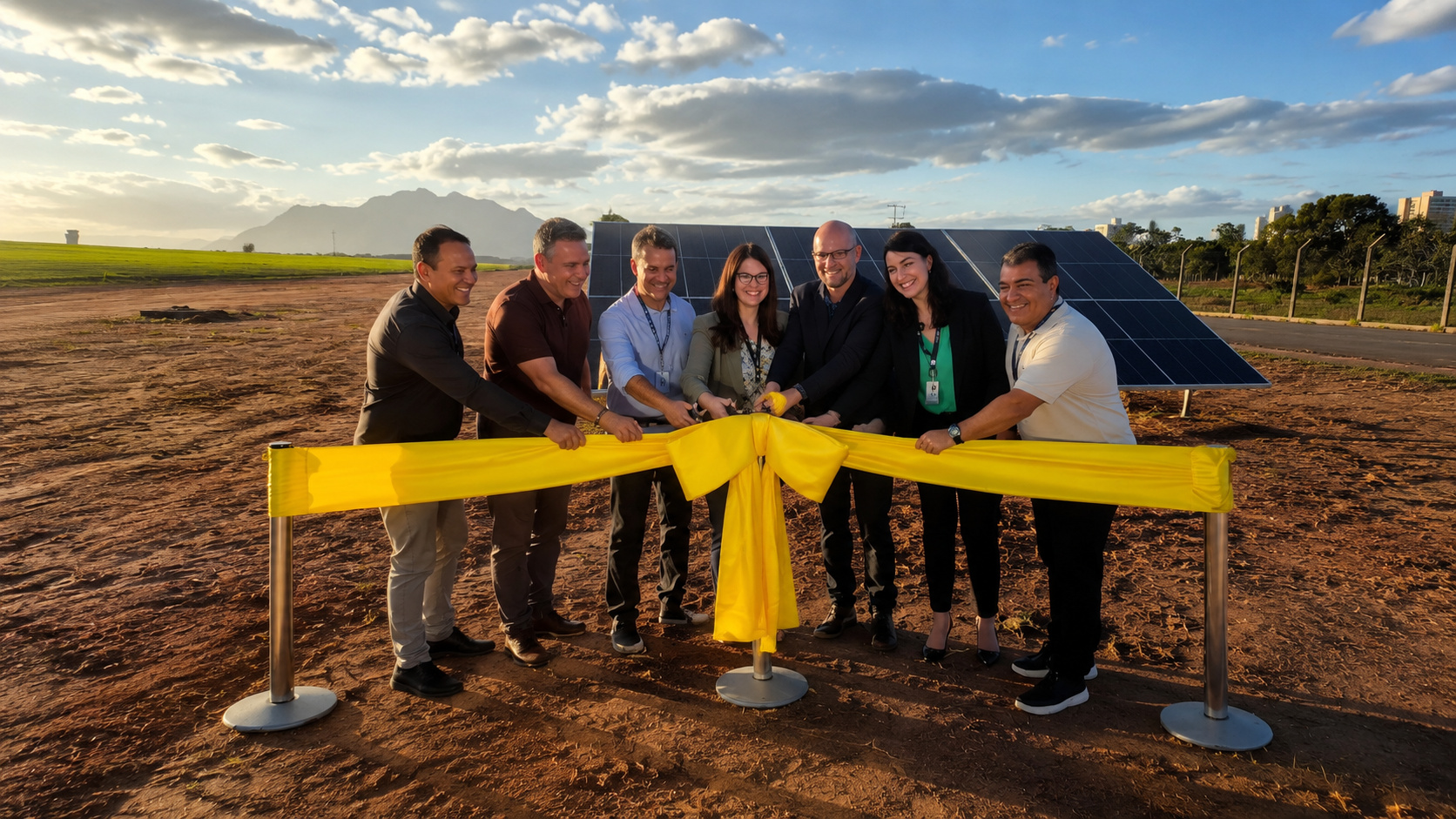
Brazil’s Vitória Airport to Launch Solar Plant Covering Area of 10 Soccer Fields, Boosting Clean Energy and Cutting Costs


The measure has a direct impact on energy security, the environment, and the economy, by encouraging investments in innovation and boosting the competitiveness of the domestic industry.
The creation of the Inmetro laboratory in Duque de Caxias represents a milestone in the national technical infrastructure for renewable energy. Until now, the testing and certification of photovoltaic modules were conducted by accredited institutions.
Now, with a state-of-the-art in-house center, Brazil expands its capacity to verify the quality of products entering the market.
According to the president of Inmetro, Márcio André Brito, the delivery strengthens consumer safety and boosts confidence in the sector:
“This is a strategic delivery, with positive impacts on the economy, the environment, and the country’s energy security.”
Entry of Irregular Products Poses Risk to the Photovoltaic Sector
Inmetro warned about the frequent entry of solar panels that have power less than that reported by the manufacturer.
This practice not only deceives consumers but also harms reputable companies and affects the balance of market prices. The new laboratory emerges as an essential tool to curb these distortions, promoting fair competition and technical protection.
João Nery, director of Compliance Assessment at Inmetro, emphasizes that the new structure strengthens national sovereignty in the sector:
“This structure reinforces Brazil’s technological sovereignty in the renewable energy sector and places Inmetro in a prominent position to support the domestic industry.”
The project has the technical support of the National Institute of Clean Energy (Inel), which signed a cooperation agreement with Inmetro. The partnership provides for actions such as training professionals, supporting laboratory operations, and initial maintenance of testing systems.
This collaboration strengthens the testing infrastructure for solar panels in Brazil, creating a more reliable and structured environment for the growth of the clean energy sector.
Regulations Strengthen the Safety of Photovoltaic Systems
In recent years, Inmetro has been improving the regulation of solar equipment in Brazil. With the publication of the Ordinance No. 140/2021, the agency began to require the certification of photovoltaic modules, defining strict technical criteria for their manufacture, sale, and installation.
Furthermore, Ordinance No. 140/2022 made the presence of the National Energy Conservation Label (ENCE), visible to consumers, mandatory, ensuring transparency in product choices.
In 2023, the institute published Ordinance No. 515, which updated safety requirements, incorporating mechanisms for detecting and interrupting electric arcs in the modules—technology that automatically shuts down equipment in case of failures, preventing fires and accidents.
Thus, the initiative not only raises the technical standard of solar panels but also drives the advancement of the clean energy matrix in Brazil.