Portuguese
  Spanish


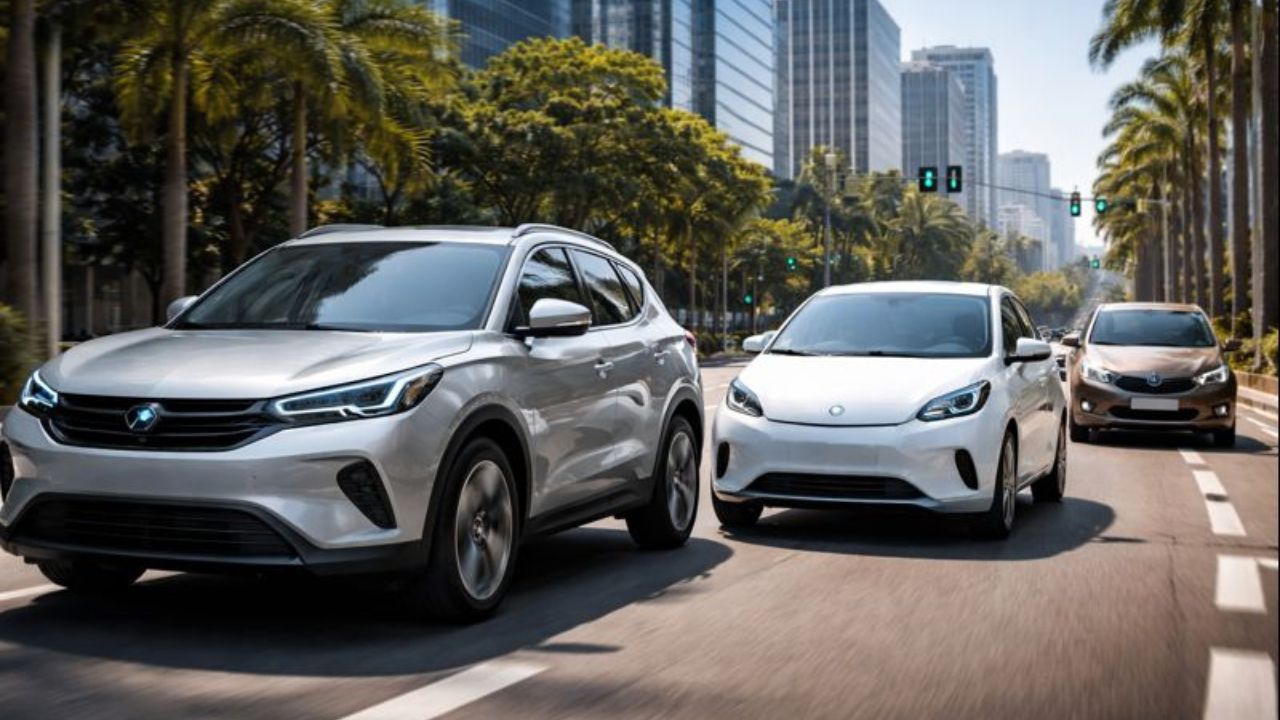

Inmetro Reveals The Most Fuel-Efficient Cars In Brazil, Highlighting Hybrid And Electric Cars In 2025.
What are the most fuel-efficient cars in Brazil, who leads this ranking, when the data was updated, where the measurement was made, how the evaluation occurs, and why these numbers changed?
These answers appear in the most recent survey of the Brazilian Vehicle Labeling Program (PBEV) 2025, released by Inmetro, with data consolidated in November 2025, reflecting deep changes in the Brazilian automotive market.
The update considers more rigorous energy efficiency and emission tests, driven by the Proconve L8 regulations, in effect since January 2025.
-
End of the Affordable Car Era: Fiat Argo 1.0 2026 Offers 14.7 km/l Efficiency and Easy Maintenance, but $18,000 Price Raises Cost-Benefit Concerns

-
Honda XR 300L Tornado Special Edition 2026: Off-Road Focused Motorcycle with 293.5cc Engine, 24.3 HP, Priced at $6,200
-
Indian Government Offers Up to $1,000 Incentive for Drivers to Swap Old Cars for Electric Vehicles

-
Tesla Begins Testing Two-Seater Autonomous Robotaxi Without Steering Wheel or Pedals, Featuring Onboard Safety Monitor


As a result, combustion models, hybrid cars, and electric cars went through technical adjustments to meet environmental requirements without compromising performance and consumption.
Meanwhile, the advancement of electrification repositioned Brazil among the markets that most expanded the offer of efficient vehicles, especially in the hybrid and electric segments.
Inmetro And Proconve L8 Change The Game Of Vehicle Efficiency
Inmetro has begun to apply stricter energy measurement criteria in PBEV 2025, aligned with the goals of Proconve L8.
This program establishes stricter limits for pollutant emissions, requiring more efficient engines and lower energy consumption per kilometer traveled.
Therefore, even vehicles that maintained their mechanical sets needed more precise calibrations to remain on the market.
Still, some models managed to stand out with above-average efficiency.
Most Fuel-Efficient Combustion Car In Brazil: Chevrolet Onix 1.0
Among pure combustion vehicles, the Chevrolet Onix 1.0 leads the ranking of the most fuel-efficient cars in Brazil, with an index of 1.38 MJ/km according to Inmetro.
Restyled for the 2026 line, the hatch retains the engines from the CSS Prime family, without hybridization or direct injection systems.
Even so, the efficient calibration ensured good results. The naturally aspirated engine delivers up to 82 hp and 10.6 kgfm.
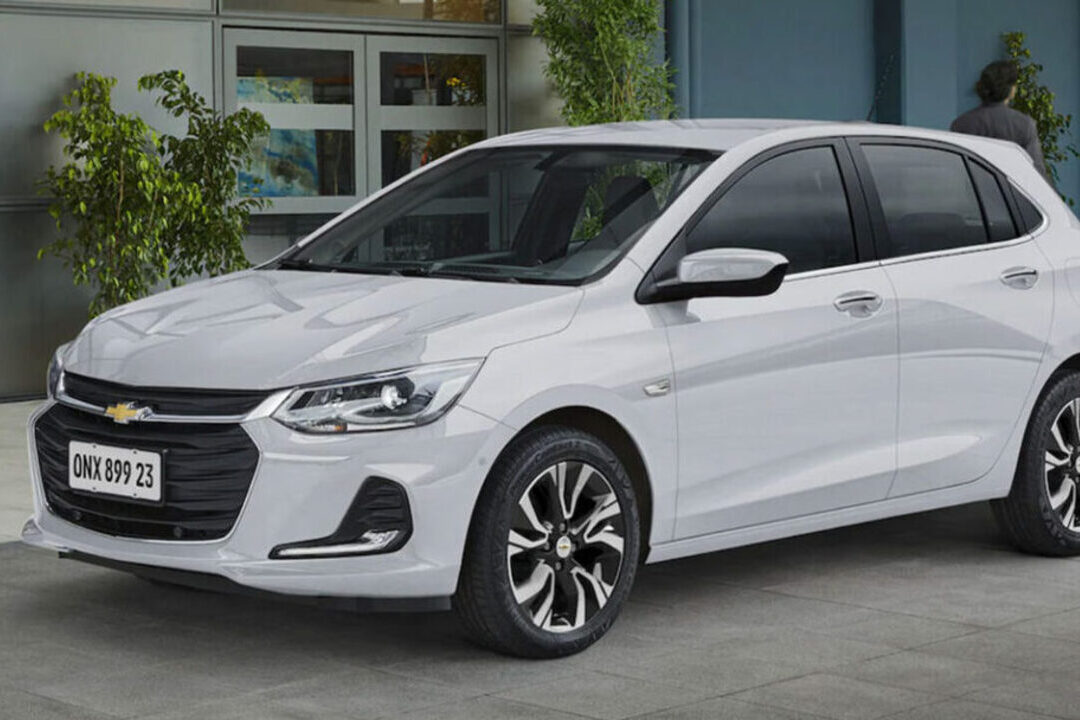
According to Inmetro, the consumption is 9.5 km/l in the city and 13.5 km/l on the highway with ethanol, reaching 11.3 km/l and 16.3 km/l with gasoline, respectively.
Most Efficient Electric Car In Brazil: Tie Between BYD And Geely
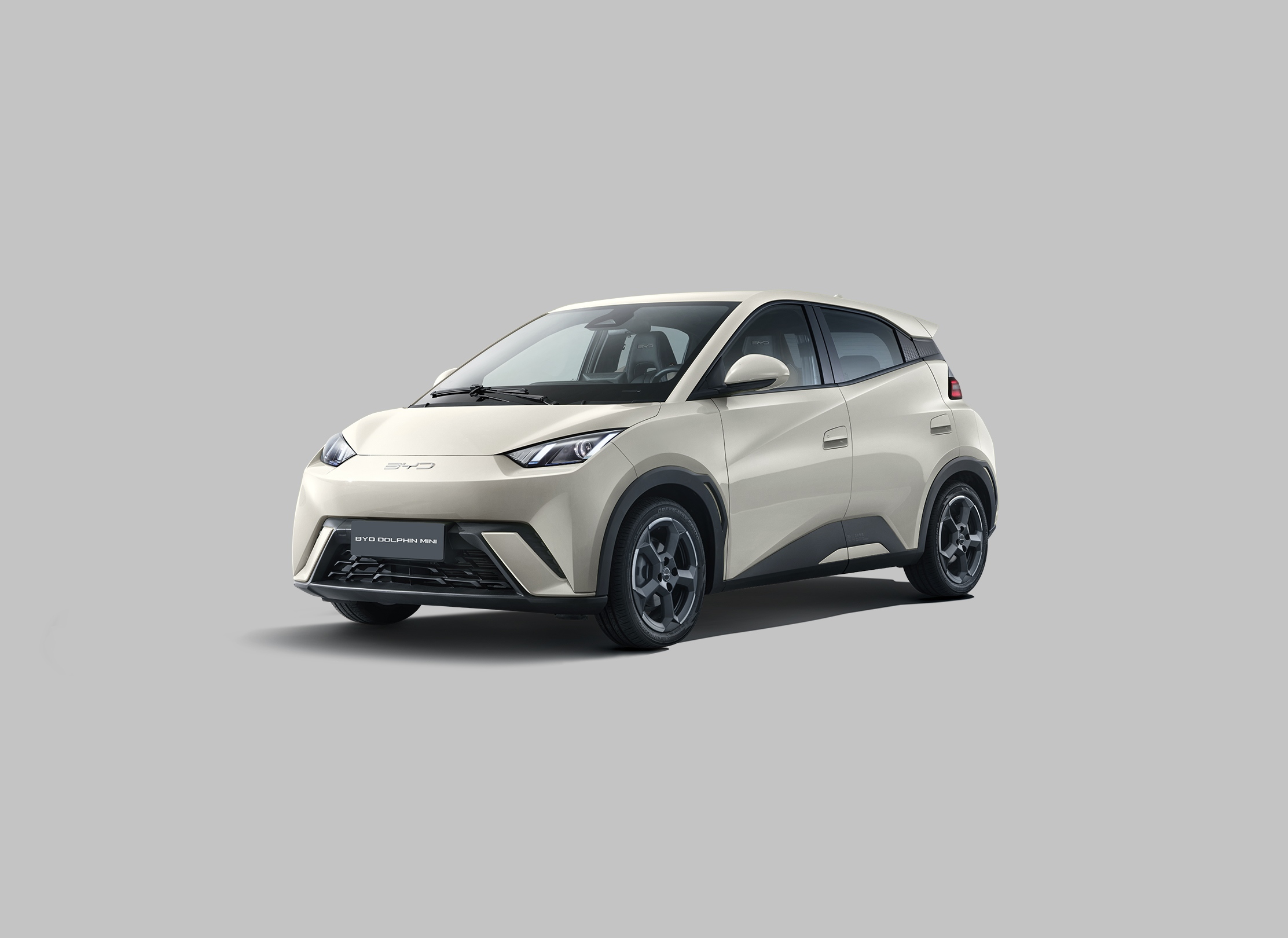
In the electric car segment, two models shared the leadership in energy efficiency, both with an index of 0.39 MJ/km.
The BYD Dolphin Mini GL uses a front electric motor of 75 hp, with a torque of 13.8 kgfm, powered by a Blade battery of 30.08 kWh. The range reaches 250 km in the Inmetro cycle.
The Geely EX2, on the other hand, bets on rear-wheel drive, a motor of 116 hp and 15.3 kgfm, along with a larger battery of 39.4 kWh. Thus, its range reaches up to 289 km, also according to Inmetro.
Full Hybrid: Civic, Niro, And Kona Lead Efficiency
Among full hybrids (HEV), three Asian models shared the top spot with an index of 1.21 MJ/km: Honda Civic, Kia Niro, and Hyundai Kona.
Kia Niro and Hyundai Kona share the K3 platform and the Smartstream G4LL set, with a naturally aspirated 1.6 engine of 105 hp and an electric motor of 57 hp, powered by a 1.32 kWh battery.

The Niro, it is worth noting, achieved more than 1,126 km of combined range in tests.
The Honda Civic e:HEV, in turn, uses a naturally aspirated 2.0 engine in Atkinson cycle, with 143 hp, combined with two electric motors, the main one with 184 hp and 32.1 kgfm, powered by a 1.05 kWh battery.
Most Fuel-Efficient Plug-In Hybrid: BYD King GS
In the plug-in hybrid (PHEV) segment, the standout is the BYD King GS, with an index of 0.49 MJ/km.
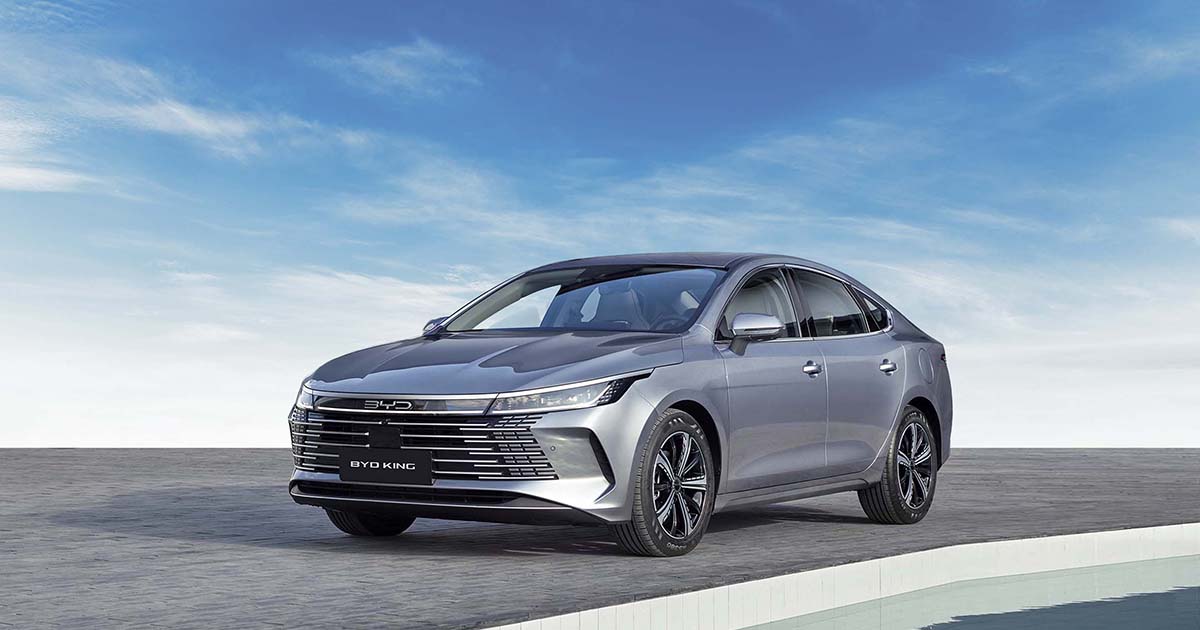
The sedan combines a 197 hp electric motor with a total power of 236 hp. The 18.3 kWh battery allows charging up to 6.6 kW and an electric range of 80 km, according to Inmetro.
According to the agency, consumption is 16.4 km/l in the city and 12.9 km/l on the highway, making the model a reference among plug-ins in Brazil.
Most Efficient Mild Hybrid: Fiat Pulse
Among mild hybrids (MHEV), the Fiat Pulse stood out with an index of 1.54 MJ/km.
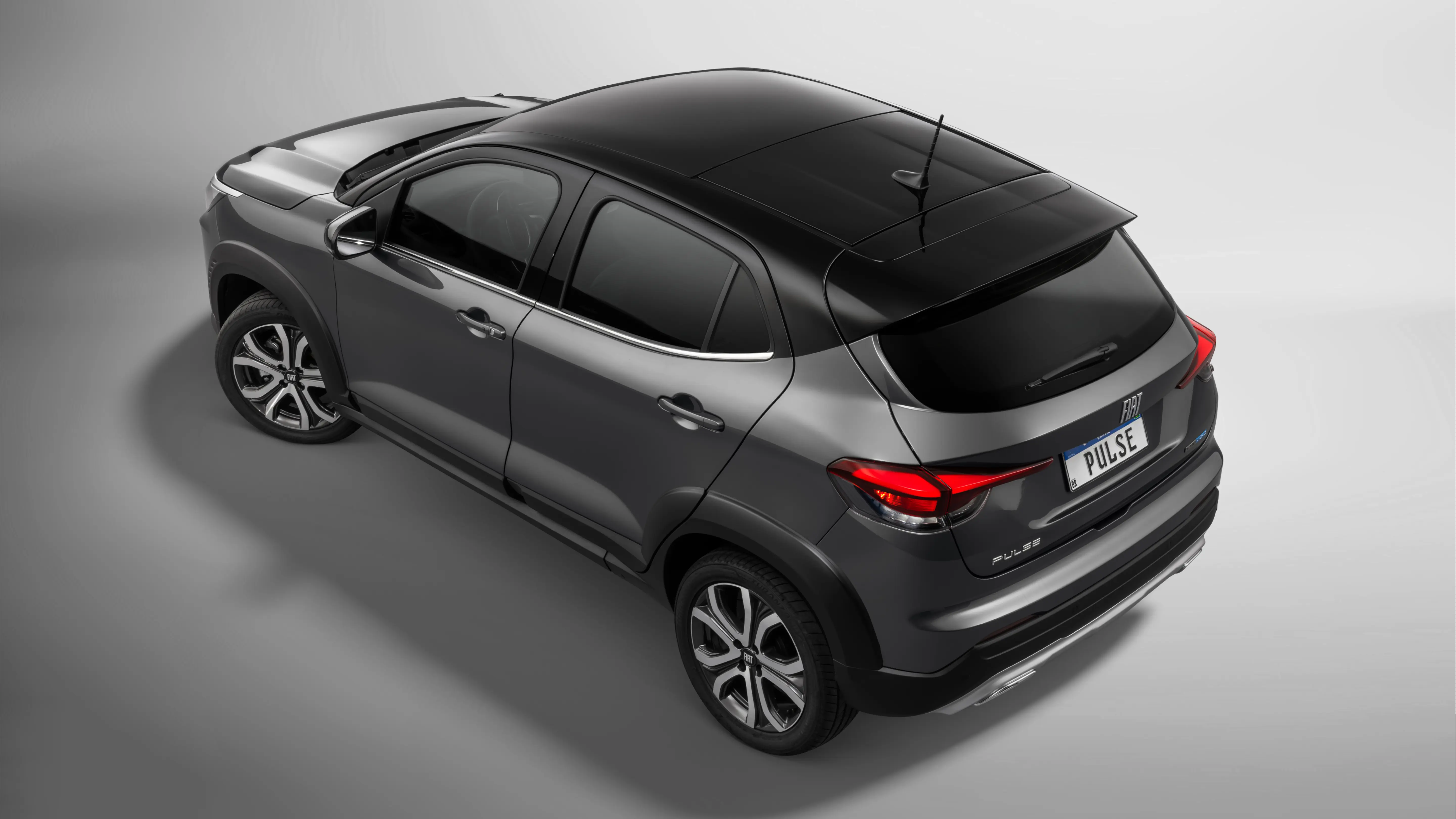
Its system is simple and does not drive the wheels, using a battery of only 0.132 kWh. Even so, it helps to reduce consumption and emissions.
Equipped with a 1.0 T200 engine of up to 130 hp and 20.4 kgfm, the model records, according to Inmetro, consumption of 9.3 km/l in the city and 13.4 km/l on the highway with ethanol.
What The Inmetro Data Reveals About The Future In Brazil
Inmetro’s list, dated November 24, 2025, shows that the most fuel-efficient cars in Brazil reflect a clear transition towards electrification.
While combustion models remain relevant, hybrid and electric cars are quickly gaining ground, driven by efficiency, environmental regulation, and changes in the profile of Brazilian consumers.
Thus, the ranking not only guides buyers but also anticipates the path that the automotive industry should follow in the coming years.