Portuguese
  Spanish


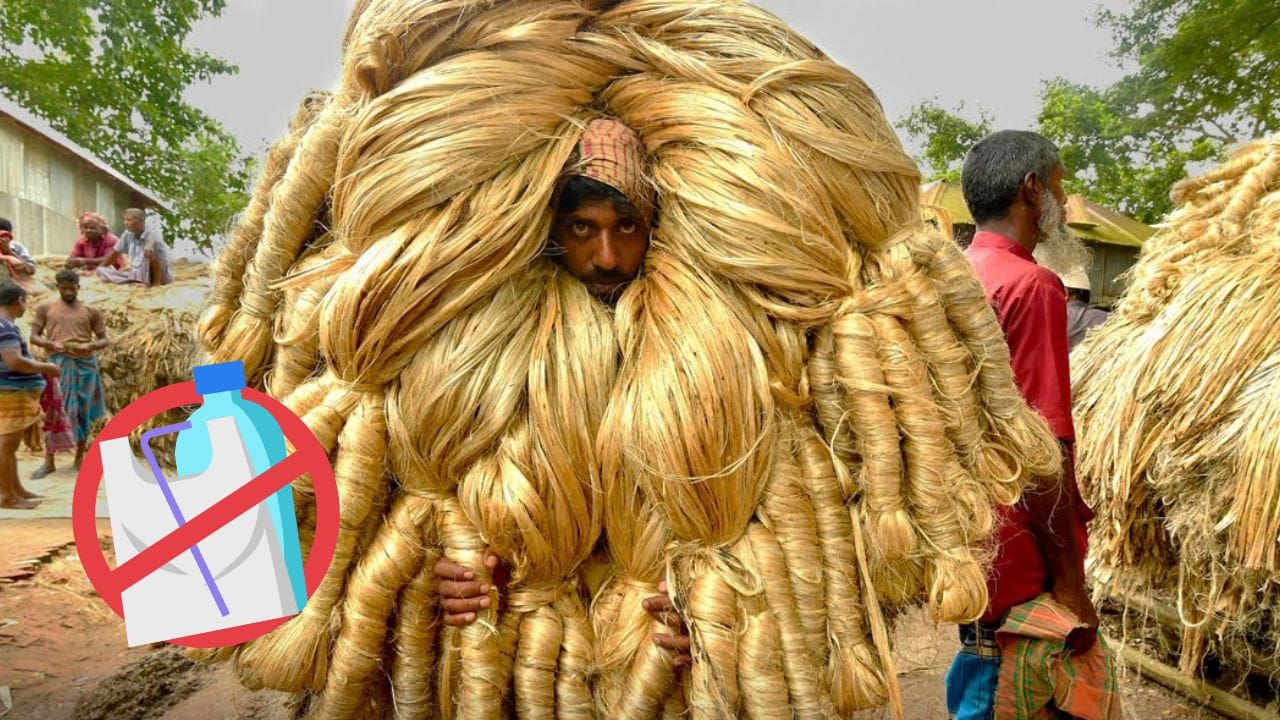

Scientists Are Exploring The Use Of Jute, A Golden Fiber Traditionally Used In South Asia, As A Biodegradable Substitute For Plastic. Bangladesh, Former Leader In Jute Production, Is At The Forefront Of This Innovation.
Jute, known for its strength, has been used for over 2,000 years throughout South Asia to make clothing, rugs, and bags. At the height of the industry, in the 1900s, Bangladesh (formerly the Bengal region in British India) was one of the world’s largest producers. However, with the rise of synthetic materials like plastic, jute was gradually replaced.
Recently, the government of Bangladesh invested about 2 million dollars in a project led by scientist Mubarak Ahmad Khan to revive interest in jute. The goal is to turn it into a biodegradable alternative to plastic, especially after Bangladesh became the first country to ban single-use plastic bags.
Process Of Transforming Jute Into Plastic


At Latif Bawany, one of the country’s largest factories located near Dhaka, jute undergoes a complex process. After harvesting, the fibers are shredded and mixed with chemicals to extract cellulose. They are then transformed into a plastic solution, using plant-based polymers and natural dyes. The solution is then molded into colored films, cut, and sewn to form the “Sonali Bags“, made up of 70% jute.
-
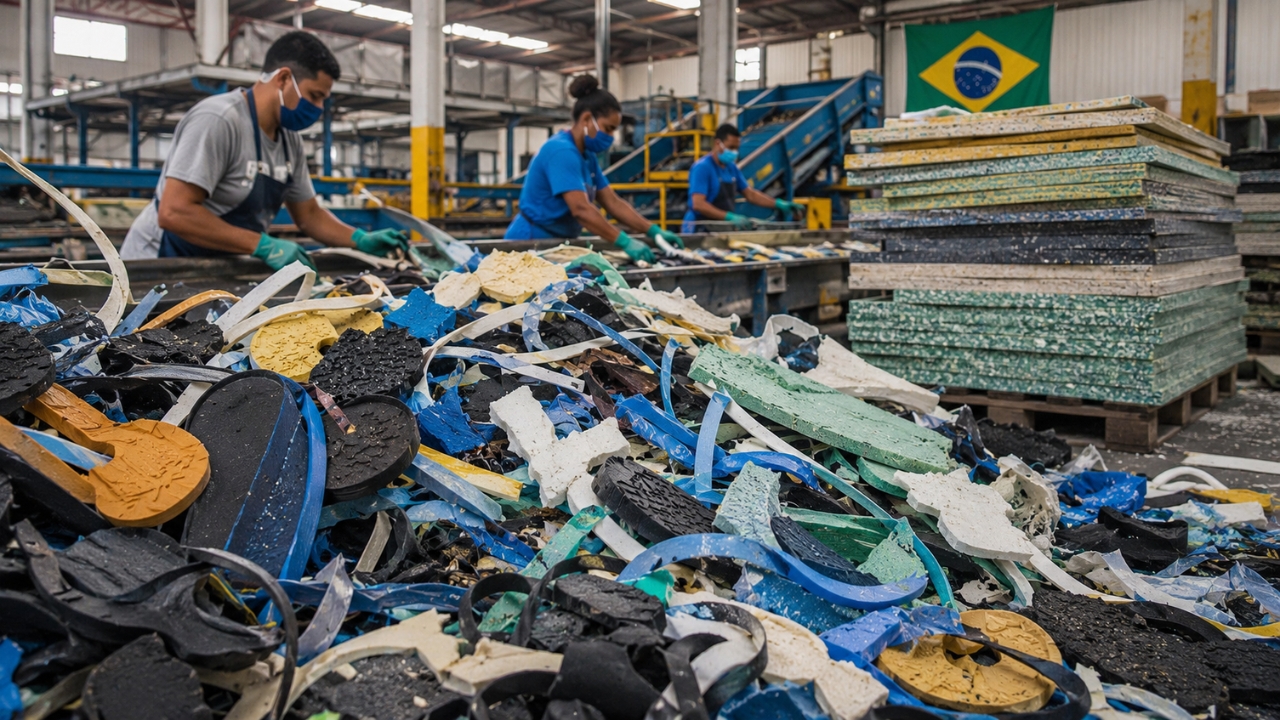
The industrial waste that even recyclers didn’t want has gained value in the interior of Bahia: two entrepreneurs invested R$ 2.8 million to transform 350 tons per year of foam, rubber, and plastic into boards that can replace wood and MDF.

-
What is a red flashlight used for, after all? See why it is so commonly used at night.

-
He has never read a line of code, but he already knows how to work: the French company UMA presented in Paris the Northstar, its first AI-powered humanoid robot designed for factories and warehouses, capable of copying tasks just by observing an employee in action.

-
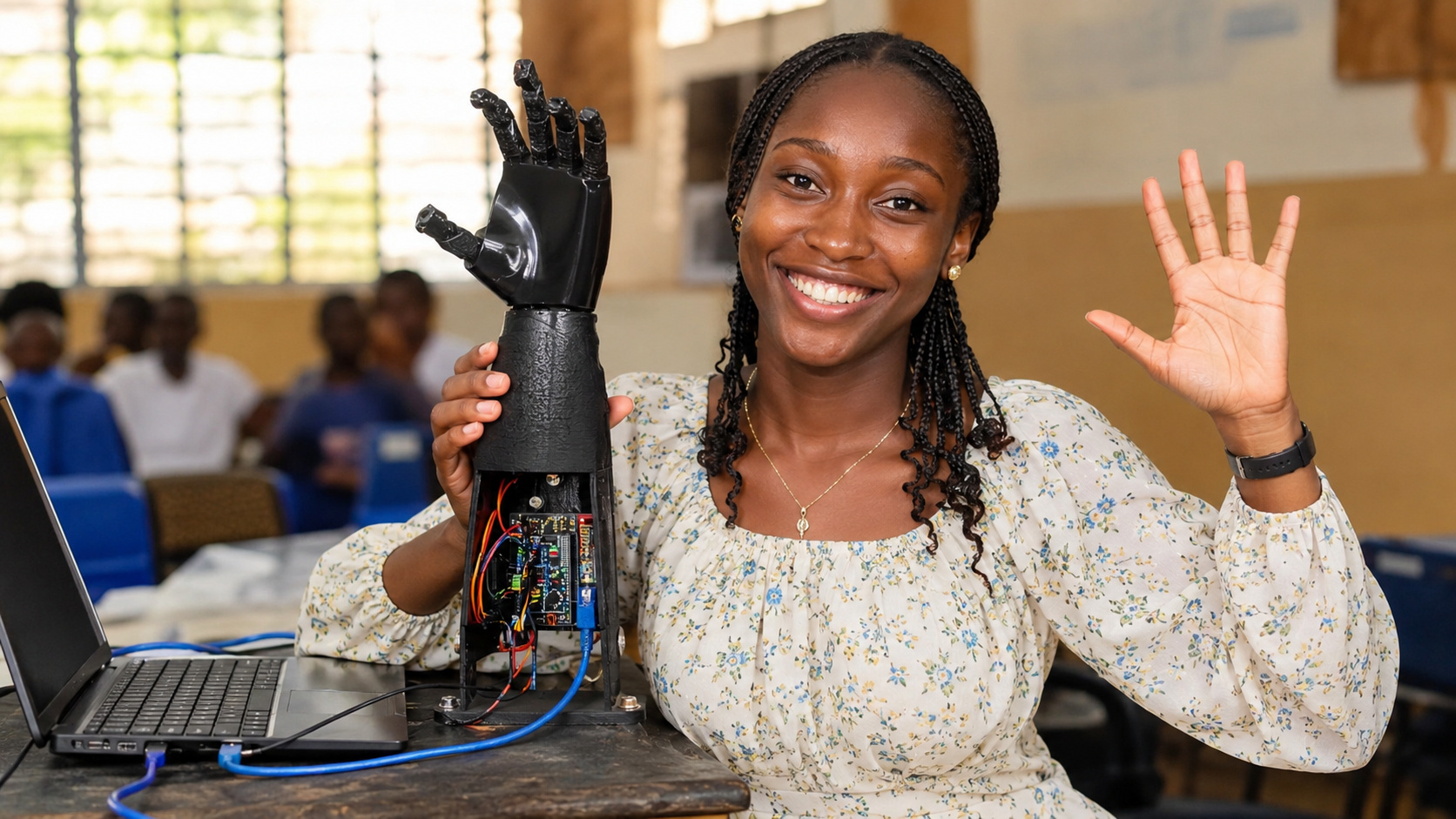
A young Kenyan engineer collects plastic waste from the streets and transforms it into robots that translate physics lessons into sign language in real-time, a machine made with old bottles that teaches what was missing to deaf children left out of science.


These bags stand out for their biodegradability, ability to carry about 35 pounds, and for being more durable than traditional plastic bags. However, they cost about 10 times more than regular plastic bags and 5 times more than other biodegradable alternatives, like paper bags.
Environmental And Economic Impact
Bangladesh hopes that the Sonali Bag will help reduce plastic dependence and environmental pollution. And of course, the revival of the jute industry can revitalize the local economy and restore the country’s lost glory as a world leader in this sector. Currently, the country exports about 1 billion dollars in jute per year.
As the world struggles to find sustainable alternatives to plastic, Bangladesh’s initiative with jute represents a significant advancement. However, there are still challenges to overcome, such as the need to increase production capacity and reduce costs to make the Sonali Bag a viable option on a large scale. Bangladesh’s experience could serve as a model for other countries in the search for effective ecological solutions.