Portuguese
  Spanish


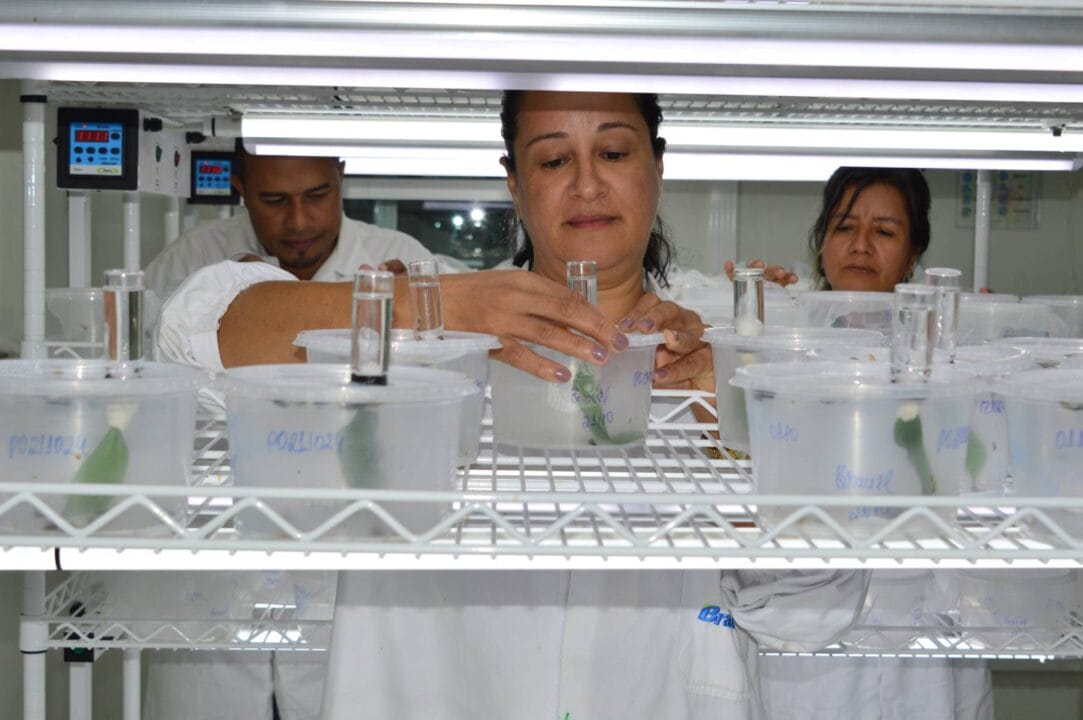

Bracell’s Biological Control: Biofactory Produces 215 Million Agents, Reducing Pests by 90% and Environmental Impacts on Eucalyptus.
Bracell has developed an innovative solution in combating eucalyptus pests with its modern biofactory, enabling a significant reduction in environmental damage. Aiming to control the proliferation of pests, the company has already produced a vast quantity of biological agents, exceeding the mark of 215 million. This strategy results in a surprising 90% reduction in the need for conventional control methods, thus contributing to more sustainable agricultural practices.
The ability to tackle harmful insects is at the core of Bracell’s initiatives, which creates natural enemies to effectively combat pests. This represents an important step in protecting eucalyptus plantations without excessive pesticide use, minimizing adverse effects on the environment. Furthermore, the biofactory approach also aids in conserving local biodiversity. This advanced technique places Bracell at the forefront of responsible and sustainable agricultural practices, establishing a new standard in pest control affecting the forestry sector.
Bracell’s Biofactory and Biological Pest Control
Bracell, one of the global leaders in the soluble cellulose sector, has taken a significant step in its biofactory by developing extremely efficient protocols for the production of natural enemies. These enemies are effective in controlling caterpillars that cause major damage to eucalyptus plantations and are considered the main pests of this crop. The developed technique, which encompasses strategies from monitoring and production to the dispersion of biocontrol agents, has achieved an impressive 90% reduction in caterpillar outbreaks and significantly decreased the use of chemical pesticides. Such an approach is not only beneficial for the environment but also proves to be economically advantageous.
-
Green Roofs on Homes Gain Popularity for Reducing Heat, Noise, and Rain Impact in Brazil

-
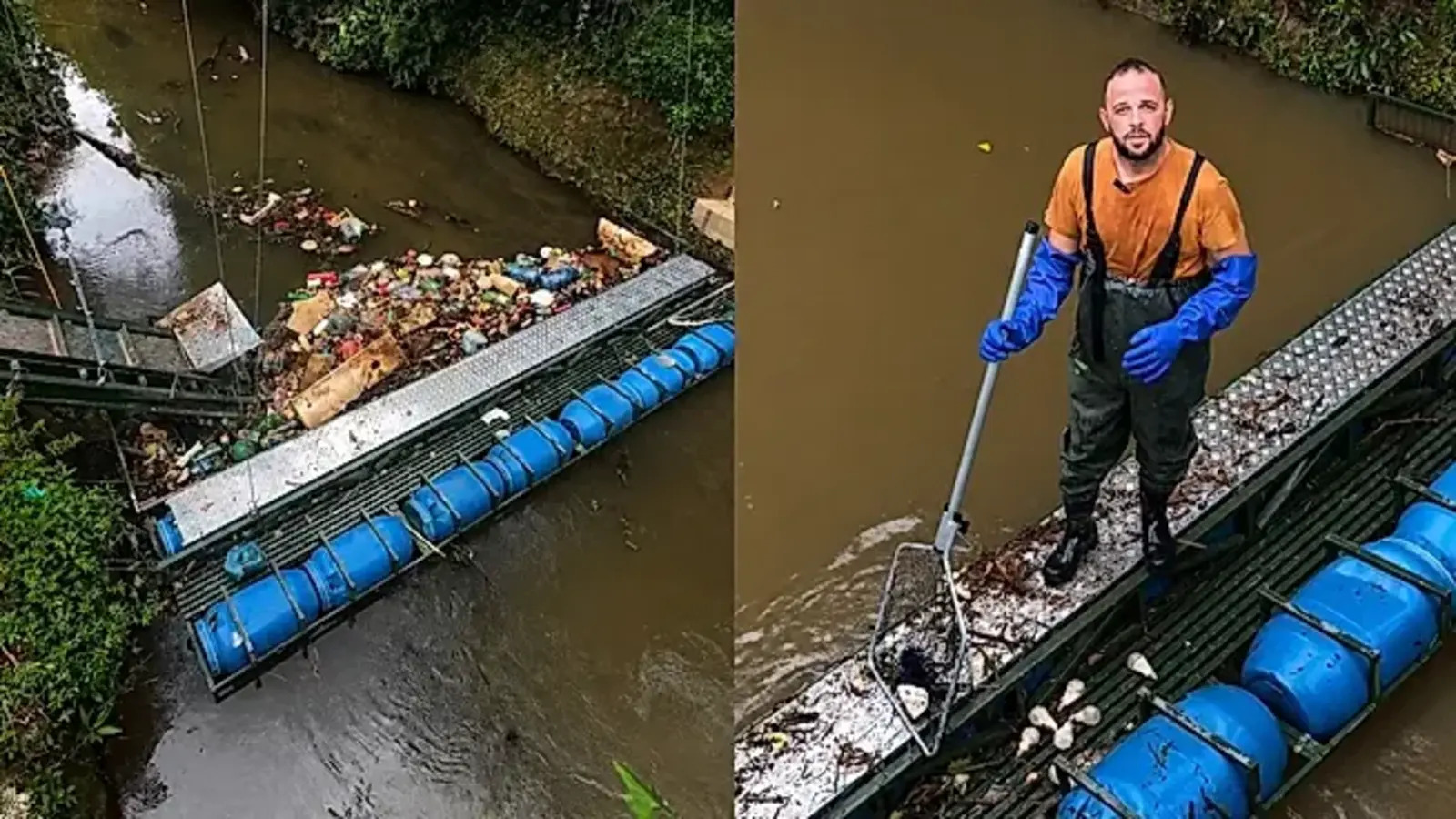
Brazilian promises his children to save a river, creates an eco-barrier in his backyard, has already removed more than 40 tons of trash from the water, and even inspires the idea in other states of the country.

-
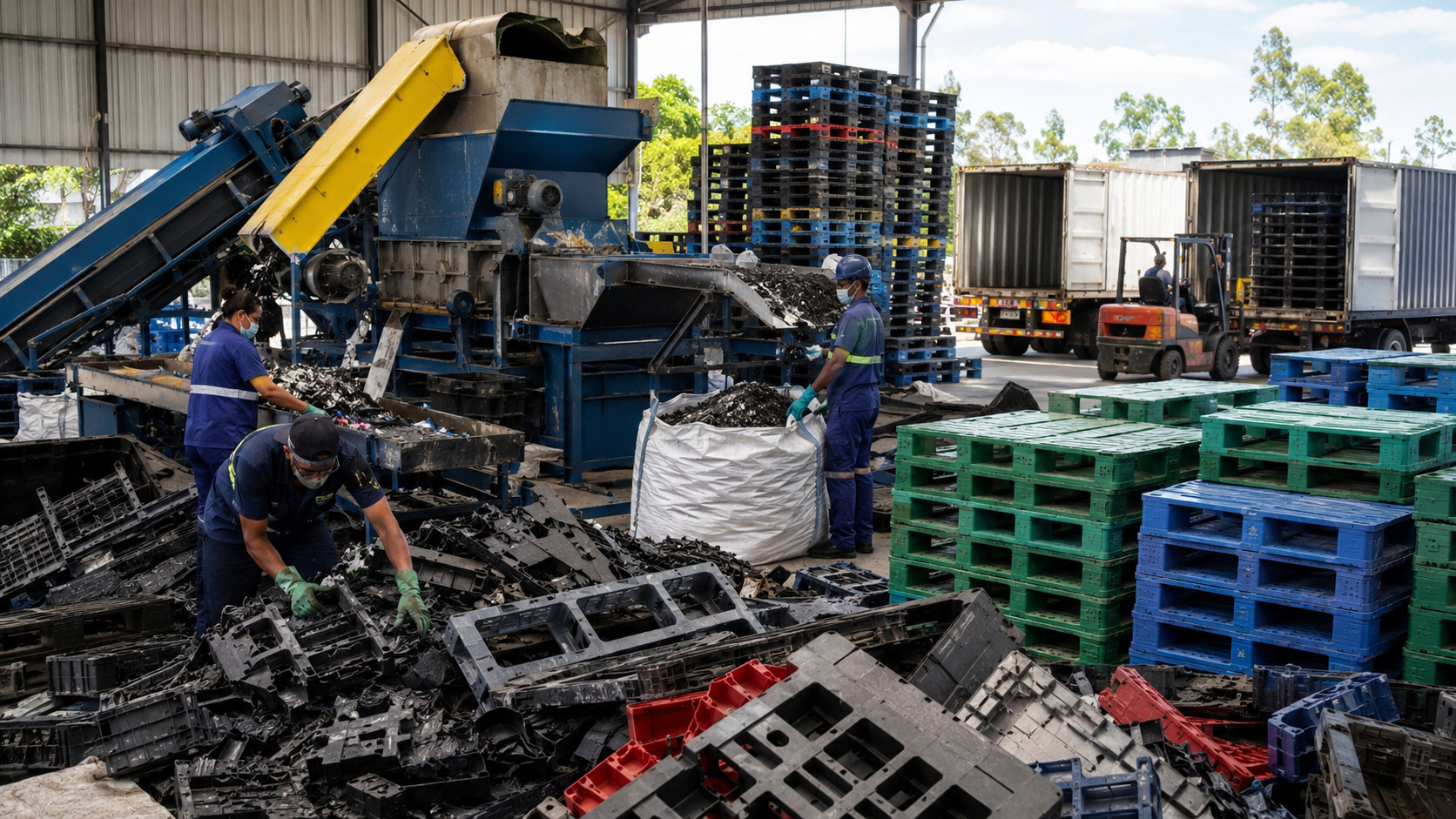
How a Brazilian company created a system that transforms broken pallets of any brand into new assets, recycles 80 tons of plastic per month, and found a profitable solution to a problem that challenges industries across the country.
-
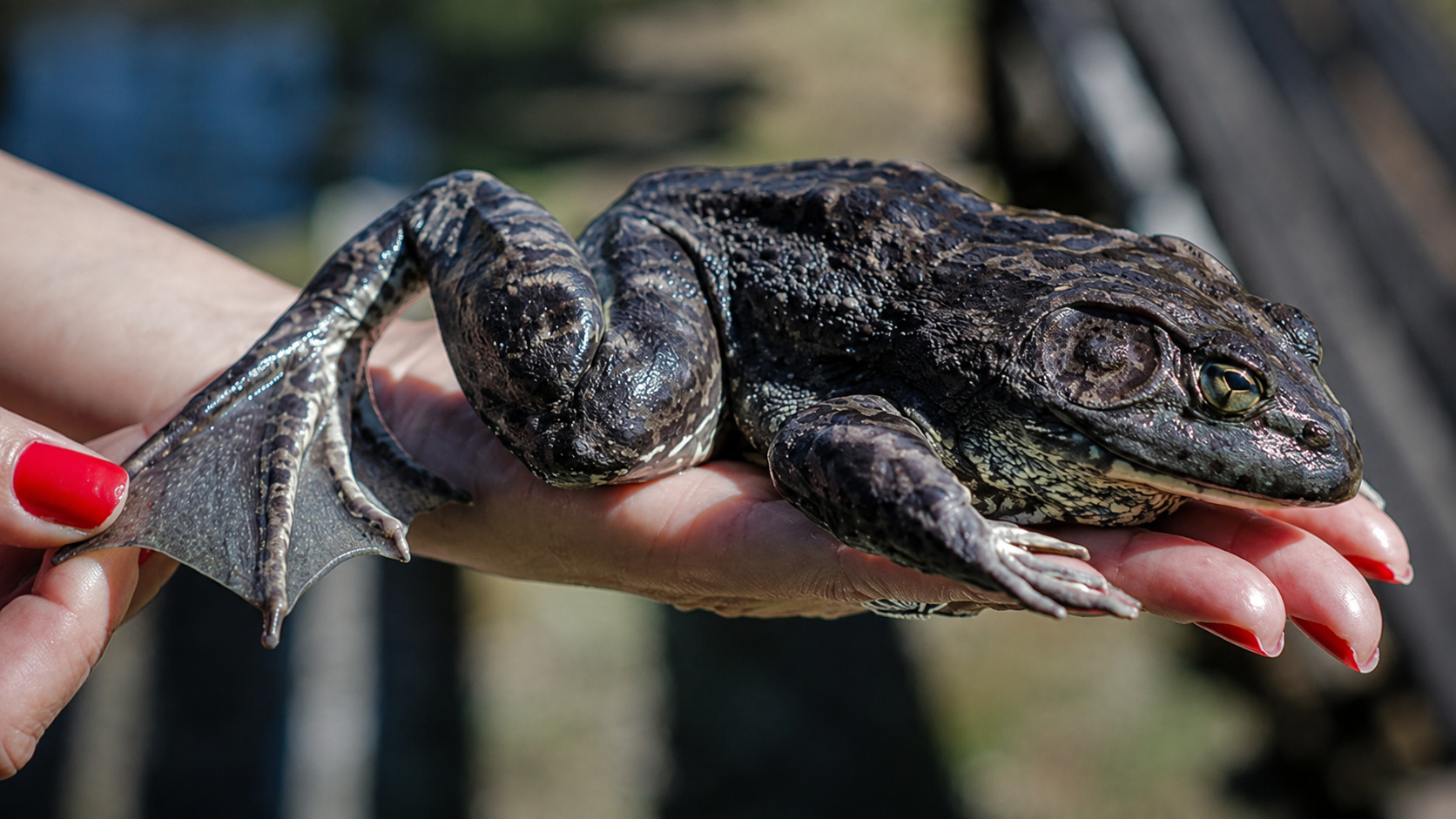
Invasive bullfrog capable of devouring other amphibians and laying up to 20,000 eggs is found in Florianópolis, raising an alert about the threat to native fauna.

Mass Production and Insertion of Harmful Insects
Leonardo Sarno, who leads Forest Research and Development at Bracell, emphasizes that the use of biological pest control not only reduces operational costs but maintains ecological balance for longer periods, thus restricting the recurrence of harmful insects. Since 2018, Bracell’s biofactory in Alagoinha (BA) has produced over 215 million natural enemies. In 2023, approximately 83 million were released in a significant area of 9,500 hectares in the company’s forests located in Bahia, São Paulo, and Mato Grosso do Sul.
Positive Impacts and Knowledge Diffusion
In 2018, when production began at the biofactory and biological control was implemented, about 15,000 hectares required management against caterpillars. By 2023, this area had been reduced tenfold. In 2024, so far, only 300 hectares demanded attention. By reducing the occurrence of these pests, the benefits are extensive, including decreased costs and the need for emergency actions, as well as lower environmental impact. Bracell’s biofactory produces natural enemies of various pests, including species such as Podisus nigrispinus, a predator of caterpillars, and parasitoids like Palmistichus elaeisis and Tetrastichus howardi.
Technical Protocols and the Cooperation Network
The technical protocols for the production of biological control agents, created by Bracell, are based on in-depth research of the biology of the species and the necessary behavior to combat the main plant enemies in the region. These documents are updated with the latest scientific advancements and contain detailed cultivation guidelines, such as diets, feeding preparation, and release methodologies. Thus, the cooperation network with the forestry sector is strengthened, allowing for more effective pest control, as noted by Wagner Morais, a specialized researcher.
Specific Drones and the Fight Against Plant Enemies
The use of specific drones, developed in partnership with the company XFly, facilitates the release of biological control agents in the field, making the action more uniform and comprehensive. These drones are ideal for dispersing parasitoids, as they are small and easy to handle, allowing treatment of vast areas in a short amount of time. The technology allows coverage of up to 100 hectares per hour, maximizing daily yield. Thus, the diffusion of knowledge about such technologies is vital to prevent pest outbreaks.
Technological Improvement and Strategic Partnerships
The advancement in biological pest control is only possible through the continuous pursuit of technological innovation and the formation of qualified teams. In addition to managing its own cultivation areas, Bracell collaborates with forestry partners and wood producers, establishing a cooperative network that mutually benefits from enhanced techniques. The company also shares information through meetings and academic publications, understanding that the confluence of efforts in pest control benefits the entire forestry sector.
Source: © juracy@agenciaat.com