Portuguese
  Spanish


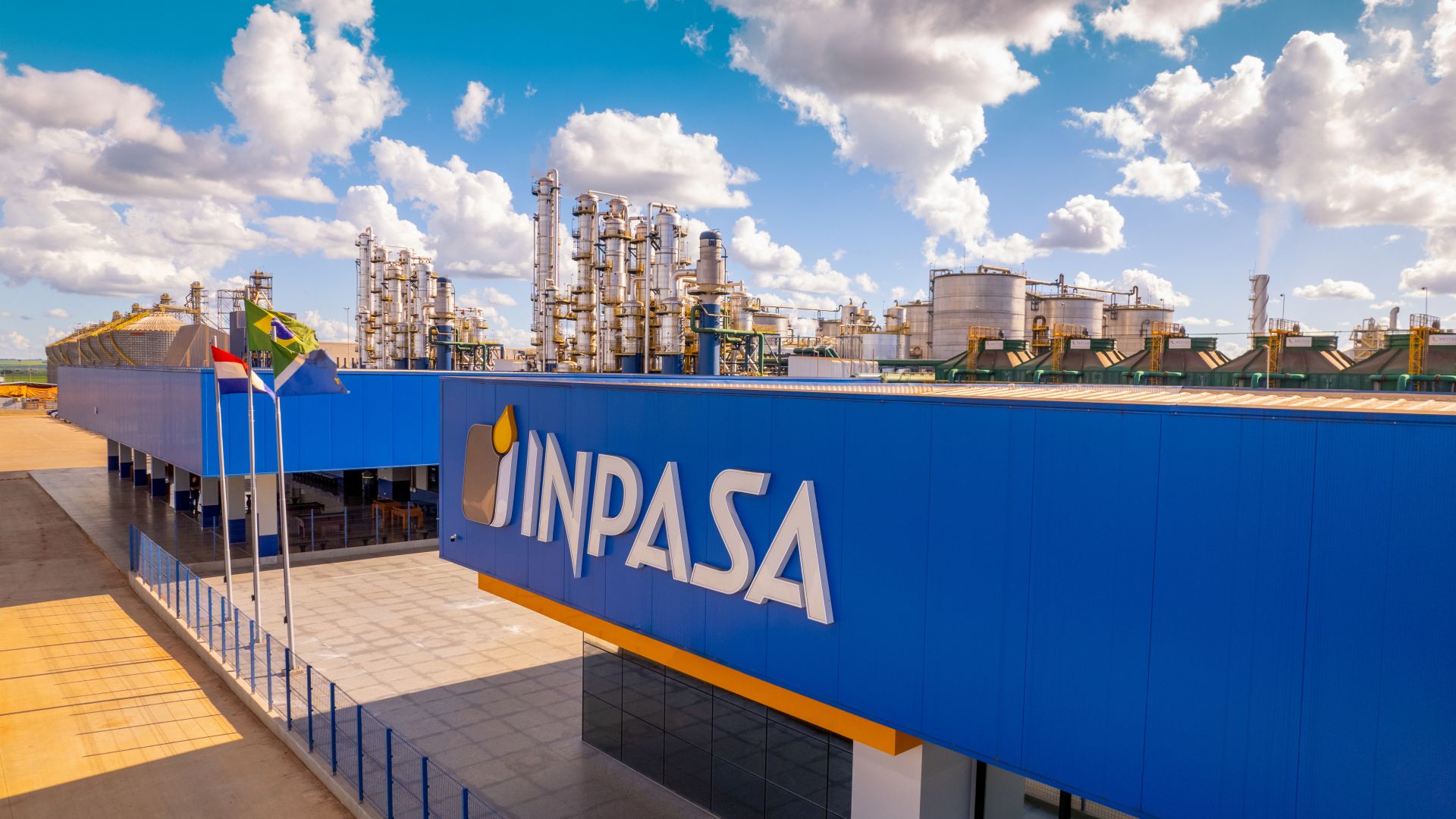


BNDES Financing Enables Billion-Dollar Investment by Inpasa in Bahia, with New Biorefinery Focused on Corn Ethanol, Renewable Energy, and Strengthening of Bioeconomy and Agribusiness.
The National Bank for Economic and Social Development announced on Monday the approval of a financing of R$ 950 million for the implementation of a new biorefinery by Inpasa in Bahia, an initiative considered strategic for increasing corn ethanol production, strengthening the bioeconomy, and boosting Brazilian agribusiness.
According to an article published by the bank itself and other outlets on Monday (12), the financial support from BNDES combines resources from the Climate Fund and the Finem line, reinforcing the institution’s commitment to projects aligned with the energy transition.
BNDES Financing Enables New Biorefinery by Inpasa in Bahia
The project will be installed in the municipality of Luís Eduardo Magalhães, in western Bahia. The new unit could consolidate Inpasa‘s advancement in the national market and position Bahia as one of the main emerging hubs for biofuels in Brazil.
-
Ceará brings together 7 giants and R$ 66 billion to transform Pecém into the largest green hydrogen hub in Brazil, with final decisions expected by the end of 2026.

-
H2A to Invest $570 Million in 22 Biomethane Plants in Brazil, Converting Agricultural Waste into 700 Tons of Renewable Fuel Daily

-
Brazil to Introduce B16 Diesel with Increased Soybean Oil Content for Trucks by 2026
-
Brazil Advances with JetBio’s Megaproject to Build the World’s Largest Ethanol-Based Sustainable Aviation Fuel Plant, Aiming to Become a Global Exporter
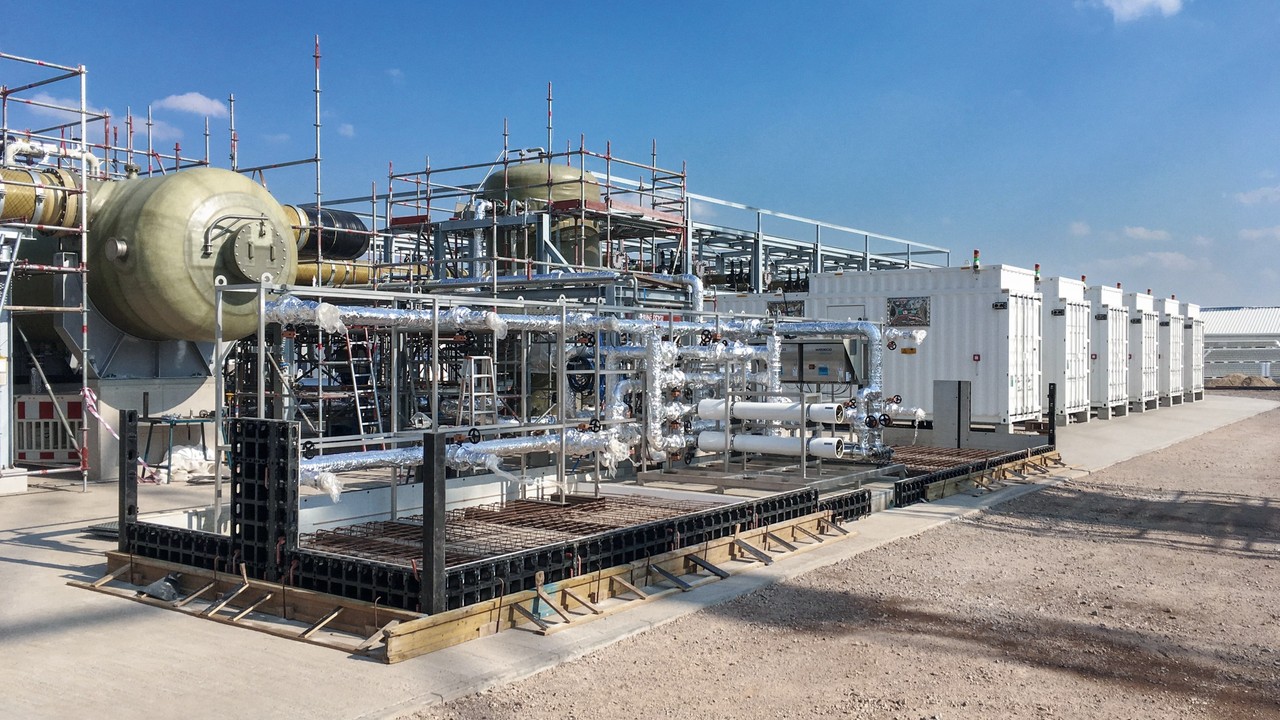


The financing approved by BNDES totals R$ 950 million, with R$ 350 million coming from the Climate Fund and R$ 600 million from the Finem line, aimed at large-scale structuring projects. This financial operation enables the construction of the new biorefinery by Inpasa in Bahia, focusing on corn ethanol production and high-value co-products.
The use of resources from the Climate Fund reinforces the project’s alignment with Brazilian environmental policies, while also broadening access to capital for industrial initiatives with a positive impact on emission reductions. The Finem line demonstrates the economic and productive relevance of the plant, which will play a central role in regional development.
Production Capacity and Energy Generation of the New Biorefinery
The new biorefinery by Inpasa has been designed to process up to 1 million tons of corn per year. From this volume, the unit is expected to produce annually 498 million liters of corn ethanol, 248.9 thousand tons of dried distillers grains (DDGs), and 24,862 tons of vegetable oil.
In addition to biofuel production, the project will have its own energy generation. The expectation is to reach 185 GWh of electricity per year starting in 2027, when the plant reaches its maximum operating capacity. This integrated model strengthens energy efficiency and reduces reliance on external sources.
Corn Ethanol Boosts Bioeconomy and Agribusiness in Bahia
The implementation of the new biorefinery represents a significant advance for the corn ethanol chain in Bahia. Historically a net importer of biofuels, the state is set to gain prominence in production, increasing its competitiveness in the national market.
The integration between industry and agribusiness is one of the main differentiators of the project. The use of corn as raw material strengthens local producers, generates continuous demand for agriculture, and stimulates investments in logistics, storage, and associated services.
According to the president of BNDES, Aloizio Mercadante, the economic impact will be significant. He stated that the ethanol plant is expected to generate relevant effects on the local economy and contribute to making Bahia transition from an importer to an exporter of biofuels.
Inpasa Consolidates Industrial Expansion with BNDES Support
Inpasa expands its presence in Brazil with the construction of the new biorefinery in Bahia, financed by BNDES. Currently, the company operates seven units in Paraguay and Brazil, distributed across the states of Mato Grosso, Mato Grosso do Sul, and Maranhão.
The company already has installed capacity to produce 6.2 billion liters of ethanol per year, as well as generating 3.3 million tons of DDGS, 312 thousand tons of vegetable oil, and 1,513 GWh of renewable energy. These numbers position Inpasa as one of the largest ethanol producers in South America.
New Biorefinery Strengthens Energy Transition and Climate Policies
The support from BNDES for the new biorefinery of Inpasa in Bahia highlights the bank’s strategic role in Brazil’s energy transition. Financing projects for corn ethanol directly contributes to the reduction of greenhouse gas emissions, substituting fossil fuels with renewable sources.
The Climate Fund has been a key tool for stimulating sustainable investments, directing capital towards ventures capable of combining economic growth and environmental responsibility. In this context, the new unit reinforces Brazil’s commitment to decarbonization goals and the development of a low-carbon economy.
Inpasa’s Expansion Includes New Investments in Brazil
In addition to the new biorefinery in Luís Eduardo Magalhães, Inpasa is maintaining another project under construction in the municipality of Rio Verde, Goiás. Announced in October 2025, the unit will involve an investment of R$ 2.5 billion and is expected to begin operations in the first quarter of 2027.
With these projects, the company accelerates its growth strategy and increases corn ethanol production, consolidating its operations in different regions of the country and strengthening the national biofuels chain.
Strategic Relevance of the New Biorefinery for Brazil
The approval of financing by BNDES for the new biorefinery of Inpasa in Bahia represents a landmark for the corn ethanol sector in Brazil. The project combines robust investment, renewable energy generation, and integration with agribusiness, creating positive long-term effects.
The initiative strengthens the bioeconomy, stimulates regional development, and enhances energy security. At the same time, it reaffirms BNDES‘s role as a driver of public policies aimed at sustainable growth and positions Inpasa as a key player in the transformation of the Brazilian energy matrix.