JetBio, controlled by the American group Summit Agricultural Group, announced in June 2026 progress in planning a large-scale industrial unit dedicated to the production of sustainable aviation fuel (SAF) from sugarcane and corn ethanol in Brazil, in a project that would position the country as one of the world’s leading exporters of SAF.
What is SAF and why Brazil has a competitive advantage
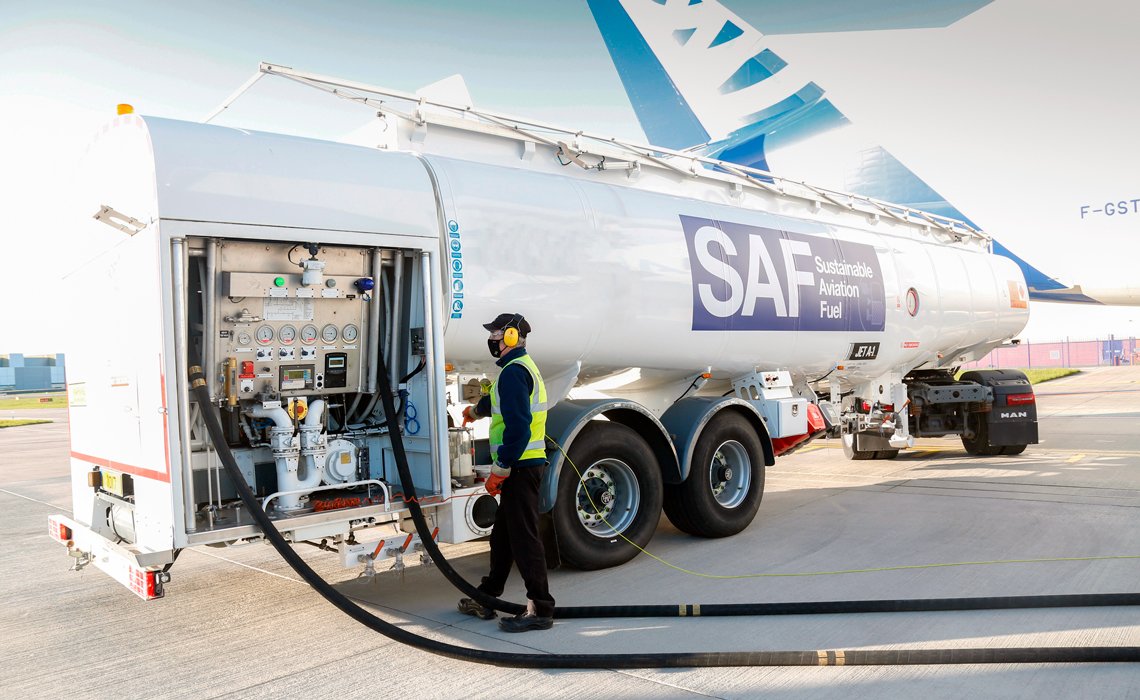
SAF — Sustainable Aviation Fuel — is produced from renewable biomass, agricultural waste, or synthetic sources and emits between 60% and 90% less carbon dioxide in its life cycle compared to conventional aviation kerosene. Aviation is responsible for about 2.5% of global CO₂ emissions, and SAF is pointed out as the main decarbonization alternative for the sector in the medium term.
Brazil produces ethanol with one of the lowest carbon intensities in the world, resulting from the combination of sugarcane cultivated with high energy efficiency and corn produced in the Midwest with low fossil input use per ton. This characteristic is central to the European SAF regulation, which requires proof of low-carbon life cycle to accept the fuel as valid SAF.
JetBio will use ethanol-to-jet conversion technology — ETJ (Ethanol-to-Jet) — to produce certified SAF, a process that already has technical approval by ASTM International and the European Union Aviation Safety Agency (EASA).
-
Brazil on Track for Record 40.7 Billion Liters of Ethanol in 2026/27 Season, Driven by Corn Ethanol
-
Petrobras Approves $1.2 Billion Refinery in Brazil to Produce Aviation Fuel and Diesel from Plants

-
US$ 7 billion, green hydrogen, and steel with up to 95% less CO₂: the first green steel plant on the planet emerges in Sweden and targets Brazil as the next chapter

-
Swedes manage to create synthetic fuel with CO₂, water, and renewable energy, compatible with current engines, but face a huge problem: the energy expenditure is still double the return.



Project scale and location
JetBio’s project is being planned to be the largest ethanol SAF production unit in the world in installed capacity. Exact production capacity details and plant location have not yet been officially disclosed.
Brazil has an already installed sugar-energy infrastructure in states like São Paulo, Mato Grosso do Sul, Goiás, Minas Gerais, and Mato Grosso — regions that concentrate ethanol plants and corn production. Proximity to export ports or grain logistics corridors is a determining factor for the economic viability of a large-scale unit.
Summit Agricultural Group operates in Brazil through a joint venture with Bunge and has a presence in the national agricultural production chain, which facilitates access to ethanol raw material for JetBio.
Global demand for SAF and regulatory targets
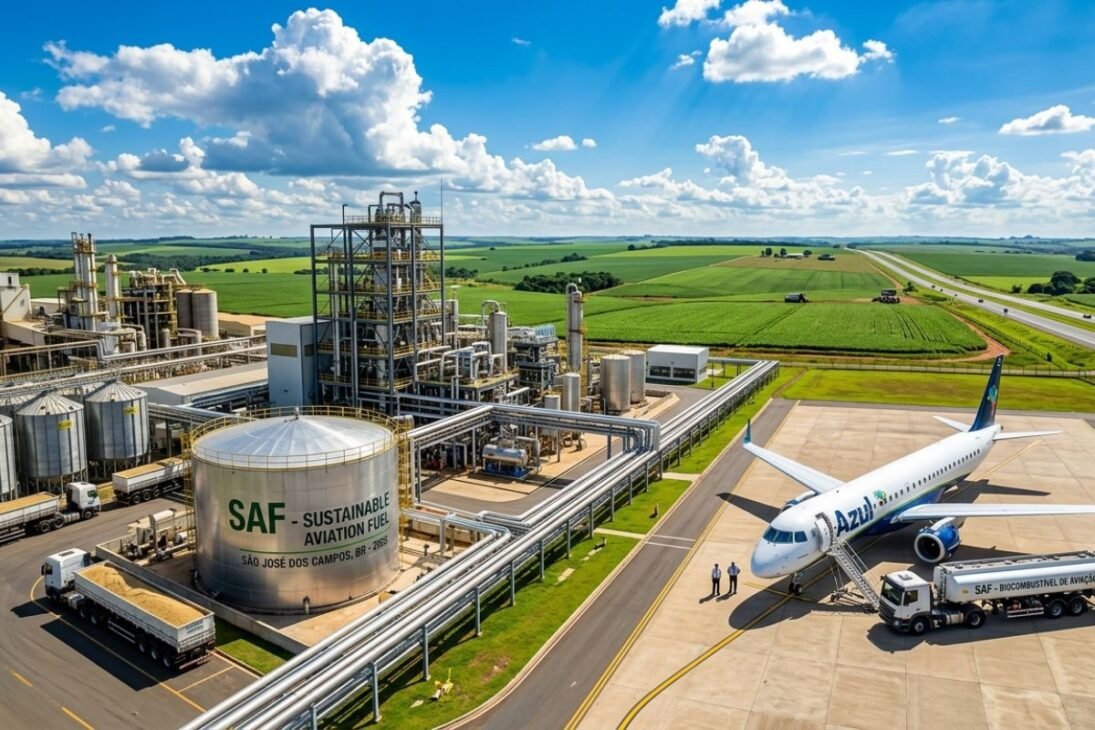
The European Union approved the ReFuelEU Aviation regulation, which requires an increasing blend of SAF in aviation fuels: 2% in 2025, 6% in 2030, 20% in 2035, and 70% in 2050. European demand for certified SAF far exceeds the current global production capacity, creating export opportunities for producing countries like Brazil and the United States.
Other markets are also advancing in regulations: the United Kingdom, Japan, South Korea, and Canada have targets or incentives for SAF adoption. The International Renewable Energy Agency (IRENA) projects that the global SAF market could reach 450 billion dollars by 2050.
Brazil is negotiating an alliance with Argentina and Paraguay to position Mercosur as an exporter block of sustainable biofuels to Europe, seeking to reduce the historical resistance of the EU to South American biofuels, previously associated with deforestation.
Perspectives of Brazilian ethanol and the 2026/2027 harvest
The Brazilian sugar-energy sector begins the 2026/2027 harvest with a projected record ethanol production, with an increase of almost 4 billion liters to the market. The federal government proposed to raise the ethanol percentage in gasoline from 27% to 32%, a measure that, if approved, would further expand domestic demand and the production scale of the sector.
SAF represents for Brazilian ethanol a higher value-added destination than blending in gasoline, with market prices significantly higher than conventional kerosene. The consolidation of the JetBio project and other similar initiatives could transform Brazil into the world’s leading SAF exporter in the next decade.
The Future Fuel regulatory framework, approved in Brazil in 2023, establishes incentives for the production of advanced biofuels, including SAF, and creates a carbon intensity certification that facilitates the acceptance of the Brazilian product in the European market. The combination of record sugarcane and corn harvests, favorable regulatory framework, and industrial-scale projects like JetBio positions Brazil as a protagonist in the global expansion of SAF production by 2030.