





 Portuguese
  English
  Spanish
  3 min of reading
  0 comments


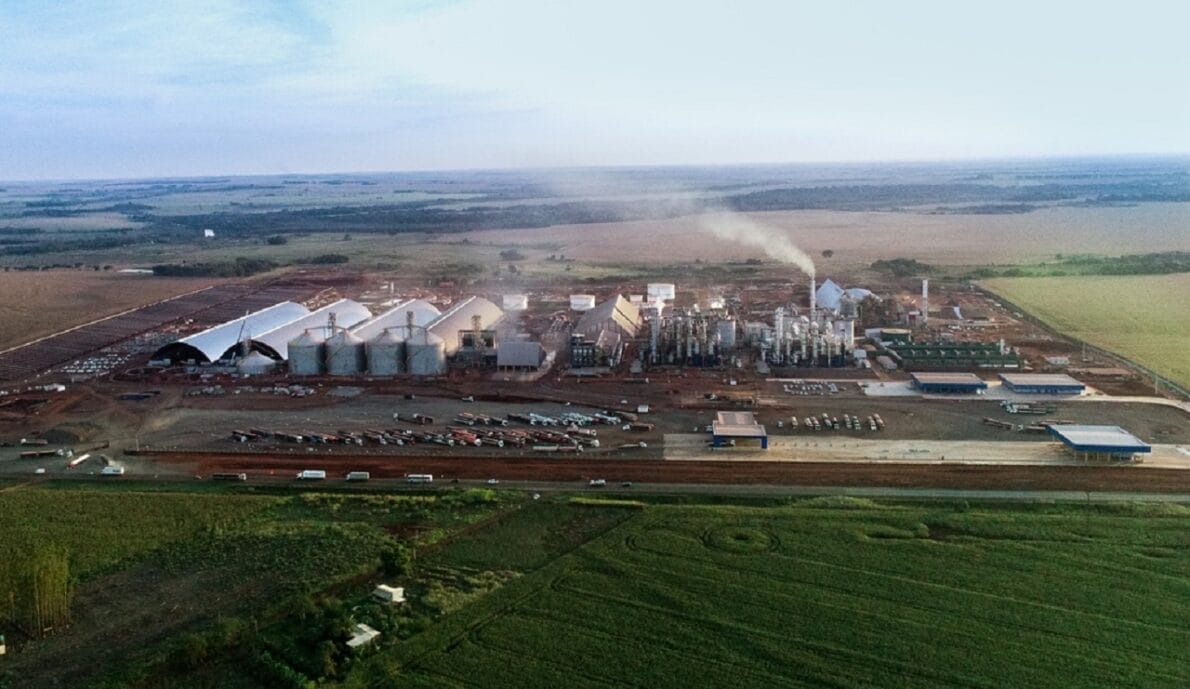
Inpasa Is Installing a New Factory in Bahia, Promising to Generate Thousands of Jobs in the Region. This Mega Project Will Have a Billion-Dollar Investment, Boosting Local Economic Development.
Inpasa, the largest producer of biofuels in Latin America, has taken an important step towards Bahia’s self-sufficiency in ethanol with the groundbreaking of a new biorefinery factory. The ceremony, held on the morning of Monday (21) in Luís Eduardo Magalhães, in Western Bahia, was attended by Governor Jerônimo Rodrigues, Inpasa President José Odvar Lopes, and several authorities.
New Inpasa Factory Promises to Generate Thousands of Jobs
Expected to start operations in the first quarter of 2026, the new Inpasa factory aims to boost the local economy, especially with job creation. During construction, around 2,500 jobs will be created, and once operational, an additional 450 direct job openings will be offered. Furthermore, about 200 direct suppliers will be involved, further boosting the region’s economy.
According to Inpasa’s Vice President in Brazil, Rafael Ranzolin, Luís Eduardo Magalhães was chosen for the new Inpasa factory because of its infrastructure and industrial potential. Ranzolin stated that at the facility, in addition to ethanol, the company will produce electricity, both for internal consumption and for export.
-
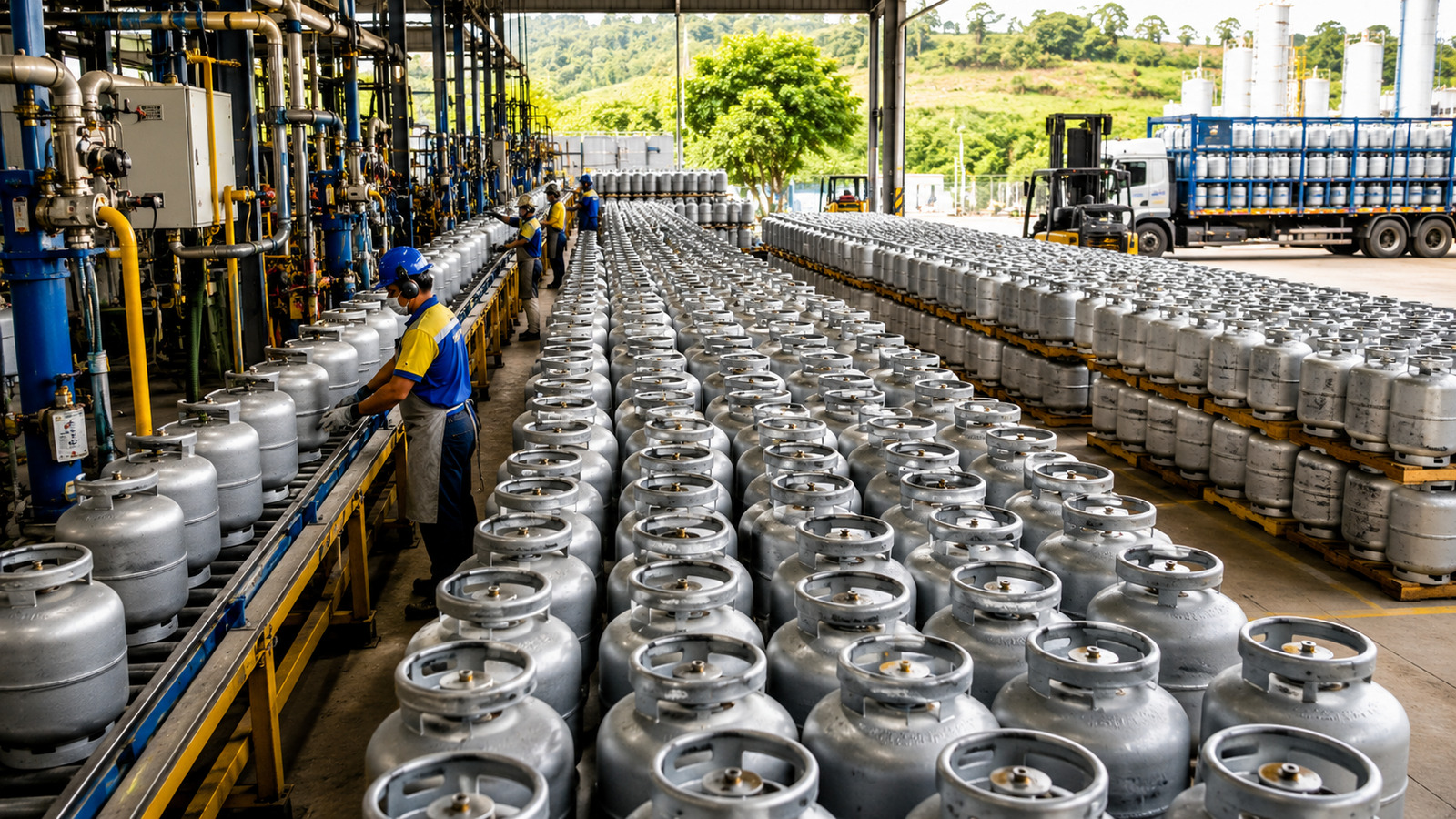
How does Brazil manage to deliver 13 gas cylinders per second?

-
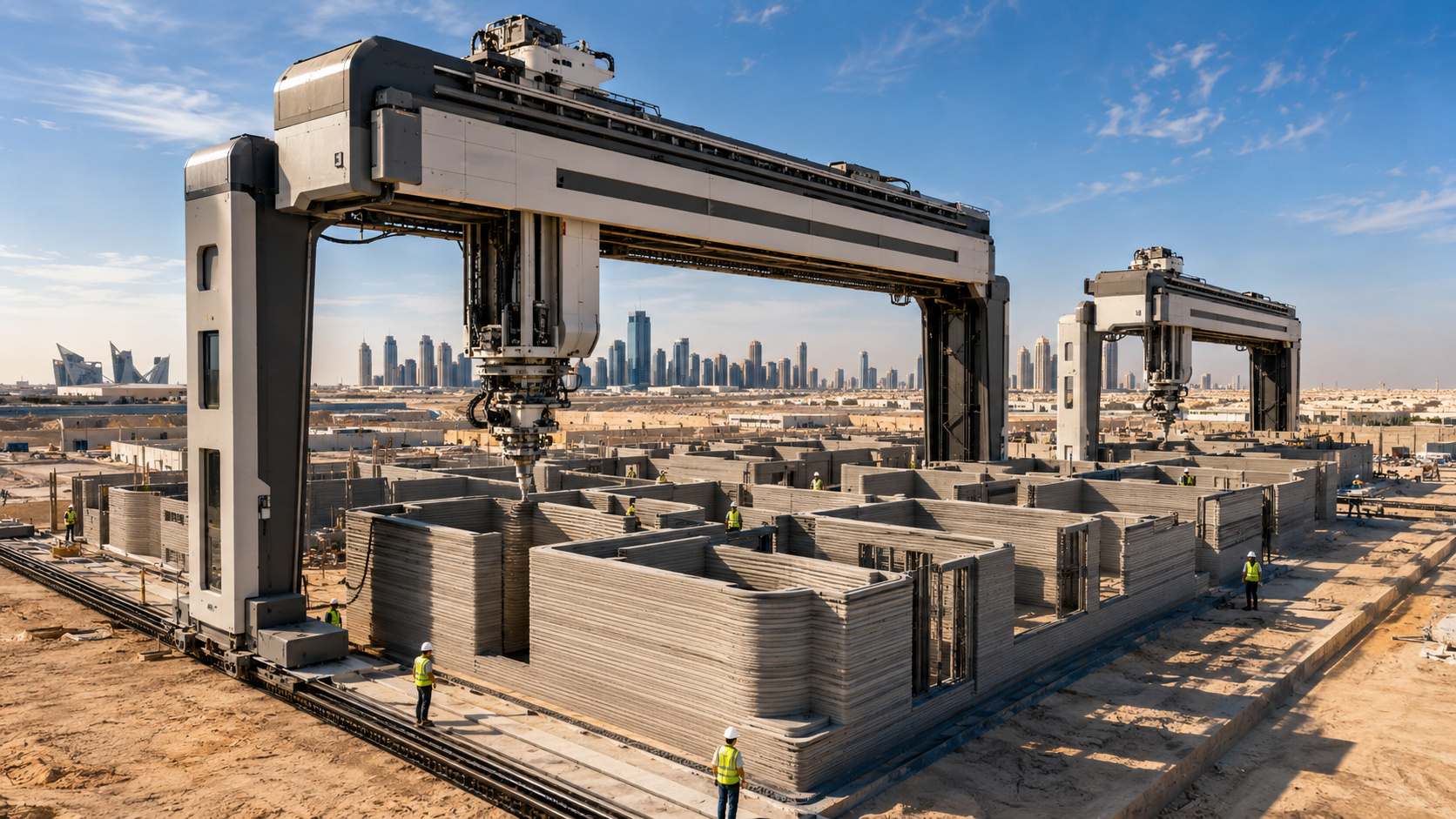
While school construction still relies on months of traditional masonry, in Qatar two 50-meter 3D printers will build entire schools in concrete with machines the size of a construction site.

-
While many footbridges only serve to cross avenues, in Tehran a 270-meter bridge transforms into a suspended square with three levels, connects two parks, and even passes over a busy highway.
-
While many regular shopping malls resemble concrete boxes, in Kazakhstan a transparent tent of 150 meters houses an artificial beach, an urban park, and an entire shopping center under a tensioned canopy.


The new Inpasa factory, which will create thousands of jobs, will have an investment of R$ 1.3 billion and will allow Bahia to stop importing around 700 million liters of ethanol per year, ensuring the state’s self-sufficiency. The new plant will have the capacity to process one million tons of vegetable oil and 200 GWh of electricity.
City in Bahia Will Train Professionals to Occupy Jobs
The Governor Jerônimo Rodrigues emphasized the importance of the new Inpasa factory for the state, highlighting that Bahia will transition from an importer to an exporter of biofuels. He also mentioned plans for the duplication of the highway connecting the region, improving logistics for product transportation.
With the high demand for labor for jobs, the Department of Labor, Employment, Income, and Sports (Setre) has already started discussions with the company to identify the needs for workers at each stage of the new Inpasa factory’s installation.
The goal is to train local workers to ensure that the region’s workforce is prepared to take on the jobs that will be generated. Setre Secretary Davidson Magalhães emphasized that the priority will be the qualification of professionals from the local area, facilitating their entry into the job market.
Government of Bahia Offers Incentives to the Sector
As part of the efforts to boost ethanol production in the state, Governor Jerônimo Rodrigues recently signed a decree granting new tax incentives for the production of ethanol and its derivatives. The measure includes a reduction of the ICMS on the production of anhydrous and hydrated ethanol, as well as the exemption of imported active goods and equipment purchased in the country.
With the implementation of this new Inpasa factory, Luís Eduardo Magalhães strengthens its position as an important hub for industrial and biofuel production, directly contributing to the economic and sustainable development of Bahia.
It is worth mentioning that Inpasa started its activities in Paraguay in 2006 with the production of anhydrous and hydrated products, DDGS, and Corn Oil. Currently, the company has two operational units in Paraguay and three in Brazil, with two more under construction.
Through the transformation of grains into clean solutions, the company invests in the verticalization of its products, adding value to DDGS for various species, expanding the technical scope of vegetable oils, and developing strategies for energy production from renewable sources.







Be the first to react!