Portuguese
  Spanish


Insolvency Is Declared When A Company Cannot Pay Its Obligations, Which Can Lead To Bankruptcy. Detect Signs And Seek Solutions With Proactive Action.
Corporate insolvency is a delicate situation that can arise when a company cannot meet its financial obligations. This condition can lead to severe consequences, such as the company’s bankruptcy, if not addressed in time. Therefore, it is crucial to be attentive to the signs of financial difficulties and seek solutions proactively.
When a company finds itself in a state of insolvency, it is essential to act quickly to reverse the situation. Identifying the causes of financial difficulties and seeking viable alternatives to restructure the business are essential steps to avoid bankruptcy. In addition, having the guidance of specialized professionals can make a significant difference in the company’s recovery process.
UNDERSTAND THE CONCEPT OF CORPORATE INSOLVENCY IN VIDEO
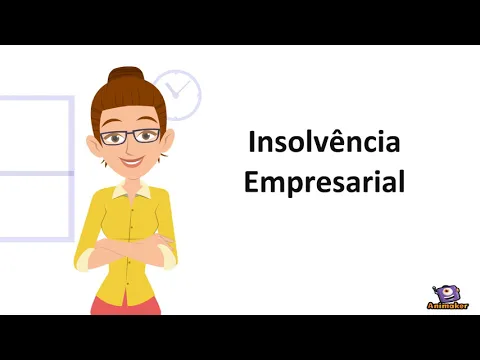

Understanding Corporate Insolvency
In the business world, financial stability is a crucial point for the success and sustainable growth of companies. However, amidst economic crises, it is possible for organizations to face financial difficulties that lead them to a state of corporate insolvency. This scenario occurs when the company can no longer fulfill its financial obligations due to a discrepancy between payable accounts and payment capacity.
-
99Food Under Investigation by Brazilian Consumer Protection Agency for Lack of Price Transparency, Faces Potential $2.8 Million Fine

-
Race for data centers in Brazil increases pressure on critical energy

-
Growth without profit has become one of the most costly management mistakes in Brazil.

-
Anvisa blocks batch of antibiotic after unexpected discovery in sealed vial and also suspends clindamycin with impurities and saline solution used in intravenous application




Although it directly affects the business’s liquidity, insolvency also threatens its long-term continuity. The regulation of insolvency is primarily governed by Law 14.12 of 2020, known as the New Bankruptcy Law, which establishes legal guidelines for restructuring and the recovery of companies facing financial difficulties, as well as the bankruptcy process for those unable to overcome their debts.
The Importance Of The Difference Between Insolvency And Bankruptcy
It is essential to highlight the distinction between corporate insolvency and bankruptcy. While insolvency occurs when a company does not have enough assets to cover its liabilities, requiring a specific legal action for its declaration, bankruptcy is the process in which the impossibility of paying debts is recognized, leading to the cessation of the company’s activities.
To avoid unpleasant surprises, it is essential for entrepreneurs to be attentive to the precursor symptoms of insolvency. Among these signs are difficulties in cash flow, increased indebtedness, declining sales, late payments, and high levels of default by customers.
Strategies To Face Corporate Insolvency
Upon confirming insolvency or its precursor symptoms, it is crucial to adopt a proactive and strategic approach to find solutions and avoid the worst outcome. In this sense, it is essential to perform a thorough financial diagnosis of the company and work with financial and legal consultants specialized in restructuring.
Negotiating with creditors by presenting payment plans that alleviate the company’s cash flow is another important measure. Judicial recovery can be considered a last resort, providing the company an opportunity to reorganize its debts under the protection of the law, allowing for the continuation of operations.
Corporate insolvency, although challenging, does not necessarily mean the end of the business. Overcoming difficulties and returning to the path of growth requires transparency, planning, and proactive action in response to the first signs of problems. Entrepreneurs and managers should view the possibility of insolvency as an opportunity to reassess, restructure, and revitalize their companies.
Source: © Literal Link