Portuguese
  Spanish


In search of expanding agriculture and cutting dependence on imported food, Guyana is trying to attract investors from Brazil with available land, incentives for farming, and plans to strengthen soy, corn, and animal protein.
Guyana has placed agriculture among its priorities for the coming years and has begun to seek Brazilian producers to occupy savanna areas with strong cultivation potential. The proposal is noteworthy because the government offers land at no cost, provided it is effectively cultivated.
The movement has gained momentum in a country that became wealthy from oil and is now trying to transform that revenue into expansion in agriculture. For those looking at Brazil’s northern border, the appeal combines available space, promises of credit, and a logistical corridor under construction.
At the same time, the opportunity still comes surrounded by practical constraints. There is a lack of precise mapping of arable areas, lingering doubts about rainfall and drainage, and the partnership model still needs to mature.
-
Brazilian Farmer Invents Low-Cost Tractor Using Motorcycle Parts, Efficiently Working 2 Acres on 1 Liter of Diesel

-
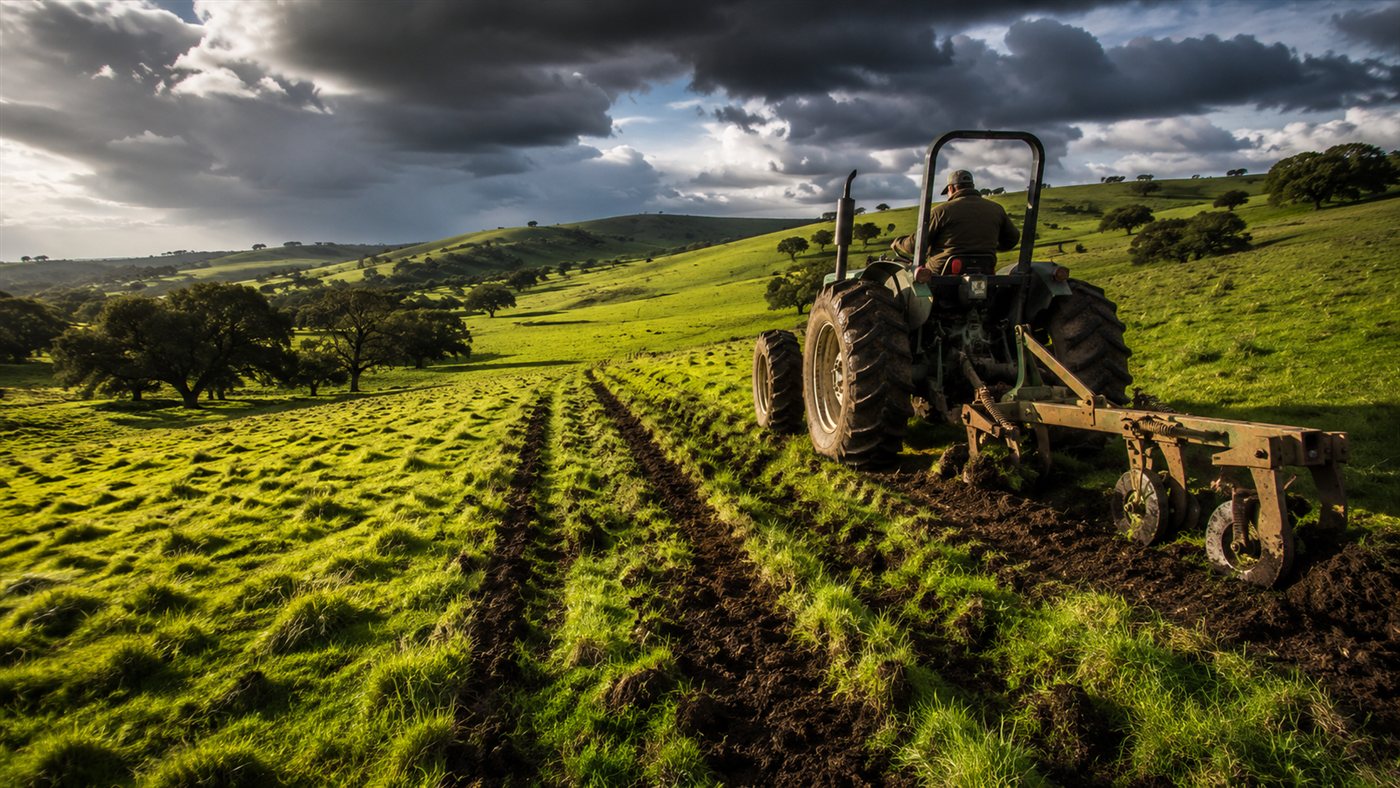
Regenerative Farmers Use Keyline Plow to Improve Pasture Hydration, Storing 1 Gallon of Water Every 30 Centimeters

-
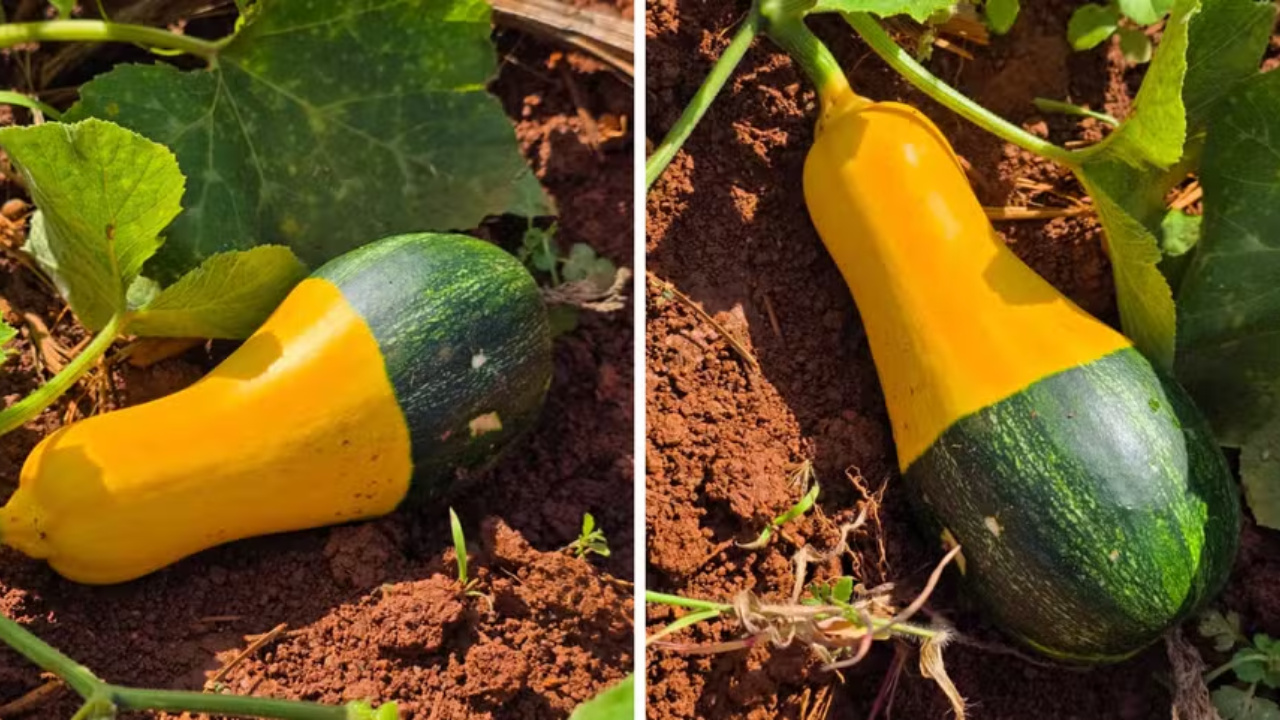
Bicolor Pumpkin Resembling Hand-Painted Art Discovered by Brazilian Researchers in the Capital Due to “Spontaneous Mutation”

-
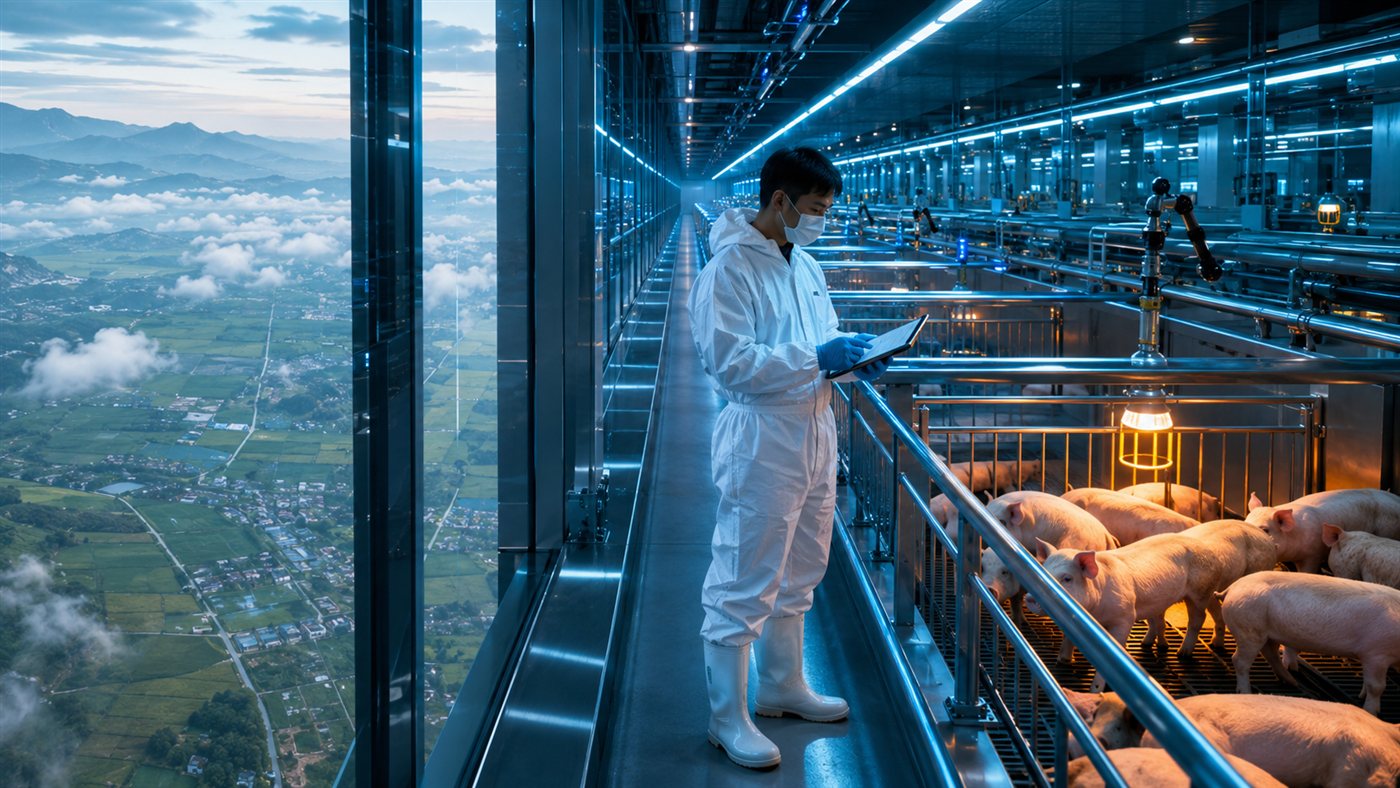
In China, a 26-story building produces 1.2 million pigs annually, revolutionizing livestock farming with tube feeding and AI surveillance.

Savannas with 300 thousand hectares and a 99-year concession

Guyana’s bet is concentrated on about 300 thousand hectares suitable for crops like soy and corn. The planting would occur in savanna areas, without encroaching on the forest, which covers most of the country’s territory.
Those who wish to enter must present a project and finance operations, machinery, seeds, and inputs. In return, the government offers rural concessions of up to 99 years, with the possibility of renewal.
This format is attractive due to the lower initial cost of land, but it also makes it clear that the country wants producers with the capacity to invest and get the area operational from the start.
680 km road still depends on 400 km of asphalt
The connection between Lethem, on the border with Brazil, and Georgetown is seen as a central piece of this shift. The highway is 680 km long, progressing quickly, but still depends on about 400 km of asphalt to be completed.
The expectation is for another three to four years of construction. Until then, transportation remains a sensitive point for any larger agricultural plan.
In addition to the road, producers who visited the region encountered other immediate obstacles. The language barrier is significant, as Guyana is the only South American country with English as its official language, and there is still a lack of georeferenced maps and more solid rainfall analyses.

Goal to cut 25% of imports by 2030
According to Gazeta do Povo, a Brazilian newspaper with national and regional coverage, the goal presented by the government is to reduce food imports by 25% by 2030 and transform the country into an export platform for the 15 members of the Caribbean Community.
Within this plan, Brazilian experience with corn and soybeans appears as a strategic asset. The greater urgency lies in grains, as Guyana needs to increase chicken production, a protein widely consumed in the region.
The government also sees room for livestock with halal slaughter, aquaculture, fruits, vegetables, and coconut water. The reading is clear: use oil money to accelerate food security and create a new business front in the field.
Credit of 0.5% per year and exemption for machinery increase appeal
One of the most striking points is the financial framework promised for the sector. The developing structure includes an investment bank similar to BNDES, and there are already reports of rural credit with interest rates of only 0.5% per year.
Moreover, Guyana does not charge taxes on agricultural machinery or rural production. For those looking to enter more quickly, another discussed option is to partner with local producers who already have available land.
This package helps explain the growing interest from Brazilians. The problem is that financial incentives alone do not resolve the market and logistics uncertainties that still hinder a larger decision.
Absence of trading and crushing plant secures soybean advancement
The biggest bottleneck today is after the harvest. Guyana still lacks a large agricultural trading company and a soybean crushing plant to produce oil and meal, which raises a decisive question about whom to sell to.
This void hinders projects from those who have already considered planting in the country. Without a structured buyer and without an established industrial chain, commercial risk increases, even with available land and official support.
At the same time, some investors see this as a rare window. The assessment is that if a crushing plant comes to fruition, the effect could attract several producers at once and accelerate agricultural occupation of the region.
Berbice River, silos for 11 thousand tons and corridor to the Caribbean
In practice, the operation still relies on solutions that are far from complete. An already active farm near Linden uses the Berbice River as a corridor to receive inputs and plan the flow of production.
The problem is that siltation limits navigation in some stretches and forces storage in silos. Today, the available structure can hold about 11 thousand tons of soy, indicating that logistics still operate below potential.
Even with this scenario, some see Guyana as a future regional corridor to serve the Caribbean. The combination of oil, road construction, and available land keeps the bet alive and reinforces the interest of those looking to get there first.
If the road progresses, area mapping comes to fruition, and the processing industry emerges, Guyana could scale up in a short time. For Brazilian producers, the attraction lies in entering early into a market that is still sparsely occupied, but surrounded by uncertainties.
Therefore, the country appears today as both a promise and a test. The agricultural plan opened by Guyana pressures the region, increases the weight of Brazil’s northern border, and changes the strategic reading of Latin America.
With information from Gazeta do Povo