






 Portuguese
  Spanish


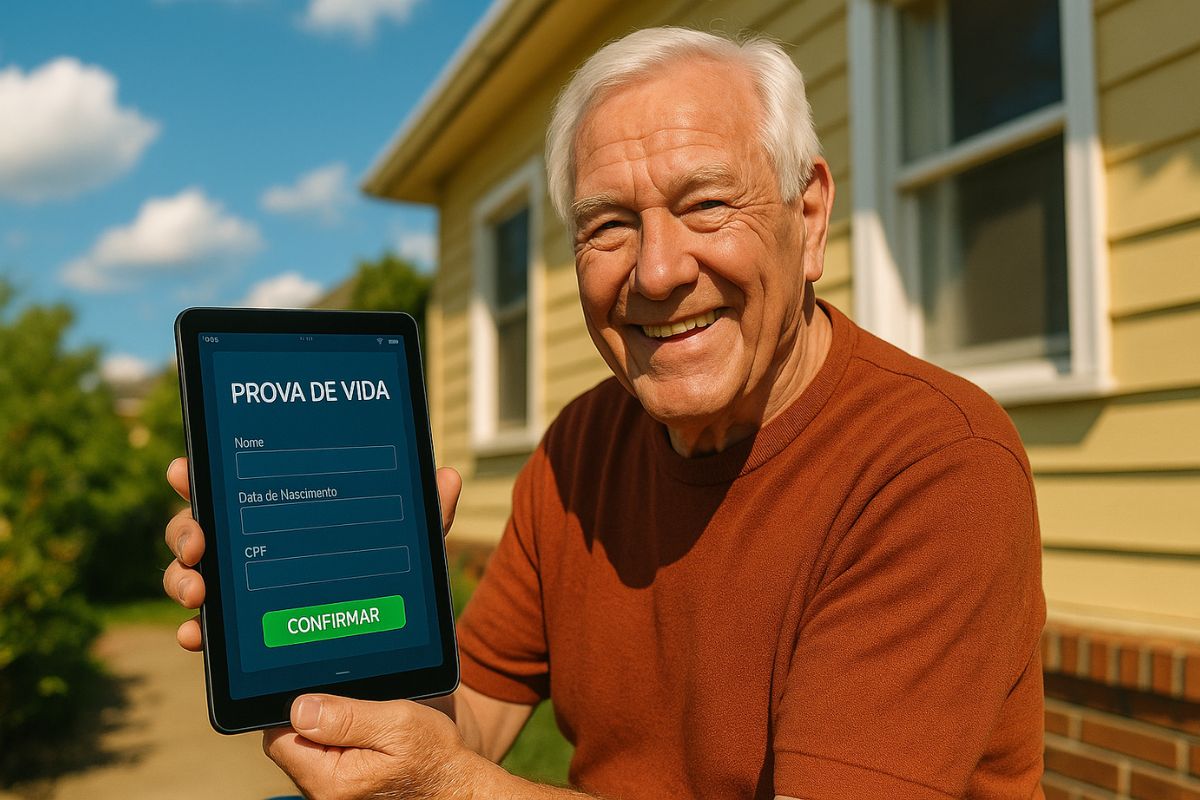


INSS Exempts These 3 Groups from Taking the Life Verification. The INSS Measure Exempts These 3 Groups from Taking the Life Verification, Reducing Bureaucracy and Ensuring More Convenience for Retirees and Pensioners.
The announcement that the INSS exempts these 3 groups from taking the life verification brings significant changes for millions of beneficiaries. The decision aims to modernize processes and avoid unnecessary travel, especially for people in more vulnerable situations.
According to a statement from the National Institute of Social Security, the initiative is part of the strategy for simplification and the adoption of technologies that have already been tested in recent years. The expectation is for more security, shorter lines, and greater practicality in maintaining benefits.
Who is Exempt from the Life Verification in 2025?
According to the new rules, the INSS exempts these 3 groups from taking the life verification:
-
World’s Largest Women’s Coffee Collective Emerges in Southern Brazil with 2,179 Female Farmers, Generating $21.7 Million in Four Years, Led by a 103-Year-Old Farmer Ambassador

-
How Recycling is Becoming a Billion-Dollar Industry and Boosting the Circular Economy in Brazil

-
Brazilian Nurse Invents Award-Winning Chocolate with Homemade Machine, Expands to National Markets
-
Brazil’s Federal Revenue Auction: iPhone 13 for $95, PlayStation 4 for $80, and Volkswagen Jetta for $2,600 Among 232 Lots Available


- Seniors aged 80 and over, due to mobility difficulties.
- People with severe disabilities or debilitating illnesses, which prevent them from attending in person.
- Bedridden or hospitalized beneficiaries, provided they present a medical report confirming their condition.
With this change, the insured individuals from these groups will no longer need to go to banks or INSS agencies to confirm their status, reducing risks and ensuring greater dignity in the process.
How Will Verification Be Done Now?
Even exempting specific groups, the INSS exempts these 3 groups from taking the life verification, but adopts a new method of automatic verification. The system will now use data cross-referencing to confirm whether the beneficiary is still alive.
Among the information considered are records of vaccination, medical appointments in the SUS, access to public services, and even participation in elections. This model has already been tested in previous phases and will now be expanded nationwide.
What Happens to Those Who Are Not Exempt?
Those who are not part of the exempt groups must continue to follow the notices from the institute. The INSS may send notifications through the Meu INSS app, through the paying bank, or by official correspondence.
In case of being summoned, the beneficiary will have up to 60 days to take the life verification, which can be done in person or by facial biometrics through the app. In case of doubt, it is possible to check the status directly in the app or contact by phone 135.
Why is This Change Important?
The decision that the INSS exempts these 3 groups represents a step forward for social security. The measure seeks to balance security in benefit payments and reduction of bureaucracy, preventing individuals in fragile conditions from having to face lines or travel.
Moreover, the applied technology paves the way for a more efficient system, with lower operational costs and fewer errors in the verification process.
The fact that the INSS exempts these 3 groups marks a significant change in the lives of retirees and pensioners. The measure modernizes the system, simplifies steps, and brings more convenience to those who depend on the benefit.
And you? Do you believe this decision will really make life easier for beneficiaries, or are there still risks of failures in the data cross-referencing process? Leave your opinion in the comments — we want to hear from those who have gone through or are going through this routine.


Poderíamos, alterar a idade de, 80 anos para 75 anos pois temos outros problemas de saúde, justificáveis.
Quem tem 80+ ou está acamado NAO VOTA. VACINAÇÃO pode ser, qdo a equipe do Postinho vai à residencia. Consultas nem sempre. Fazer FACE ID para idosos 80+ é como pedir para que façam uma selfie, nao ****. Mesmo que alguem ajude, hj sao tantos fatores que interferem no reconhecimento facial, como a luminosidade adequada que nao vejo como uma opção exitosa. Melhor o encargo ser atribuído a algum Agente que faça a verificação de bem estar domiciliar (A.S., Polícia, Enfermagem).
Tenho 83 anos, prá mim foi ótima ideia do governo