Portuguese
  Spanish


Recycling has ceased to be seen merely as an environmental practice and has taken on a strategic role in the planning of large companies. More and more, organizations in the food, cosmetics, hygiene, and beverage sectors are investing in programs capable of transforming waste into raw materials, reducing costs, strengthening the production chain, and meeting the new demands of consumers and governments.
This movement accompanies the growth of the circular economy, a model that seeks to keep materials in use for as long as possible, reducing waste and encouraging the reuse of resources. Besides the environmental benefits, this strategy creates new business opportunities, drives innovation, and strengthens more sustainable production chains.
What is circular economy
The circular economy represents an important shift from the traditional economic model. Instead of extracting natural resources, producing, consuming, and discarding, this concept proposes a continuous cycle of material reuse.
In practice, packaging, plastics, metals, paper, and glass are no longer considered waste but are seen as inputs capable of returning to the production process.
-
Brazilian Nurse Invents Award-Winning Chocolate with Homemade Machine, Expands to National Markets

-
Brazil’s Federal Revenue Auction: iPhone 13 for $95, PlayStation 4 for $80, and Volkswagen Jetta for $2,600 Among 232 Lots Available

-
Tech Giant Oracle Lays Off 21,000 Employees and Invests $70 Billion in Artificial Intelligence

-
Chilean Giant Acquires St. Marche, Expanding from Discount to Premium Supermarkets in São Paulo’s High-End Retail Market


According to the Ellen MacArthur Foundation, a world reference organization in circular economy, this model seeks to eliminate waste from the product development stage, keeping materials and resources in circulation for as long as possible.
Moreover, the circular economy directly contributes to reducing the exploitation of natural resources and minimizing the generation of solid waste.
The recycling scenario in Brazil
Although Brazil is a world reference in the recycling of aluminum cans, it still faces significant challenges when it comes to other materials.
According to the report by EXAME, the country recycles approximately 4% of the waste produced, a rate significantly lower than the global average, estimated at around 16%. At the same time, millions of tons of waste continue to be sent to landfills and dumps due to low coverage of selective collection and lack of adequate infrastructure.
This scenario shows that there is still enormous growth potential for the recycling sector in the country.
New national targets should accelerate recycling
The federal government has further encouraged the circular economy.
According to EXAME, a decree published in the Official Gazette of the Union established, for the first time, national recycling targets, aiming for the country to reach 32% in 2026 and 50% by 2040. Additionally, the reuse of recycled materials in new packaging should grow from approximately 22% to 40% in the same period.
These targets increase the pressure on companies that place millions of packages on the market every year and stimulate investments in reverse logistics, recycling, and innovation.
How large companies are turning recycling into a business
In this scenario, large companies have started to see recycling as an economic opportunity.
According to EXAME, companies like Coca-Cola, Natura, Grupo Boticário, and Unilever have been increasing investments in reverse logistics programs, recycling cooperatives, new factories, and technologies capable of reinserting recycled materials into the production chain.
Moreover, these initiatives help reduce environmental impacts and strengthen relationships with consumers who are increasingly attentive to sustainability practices.
Natura bets on regenerative economy
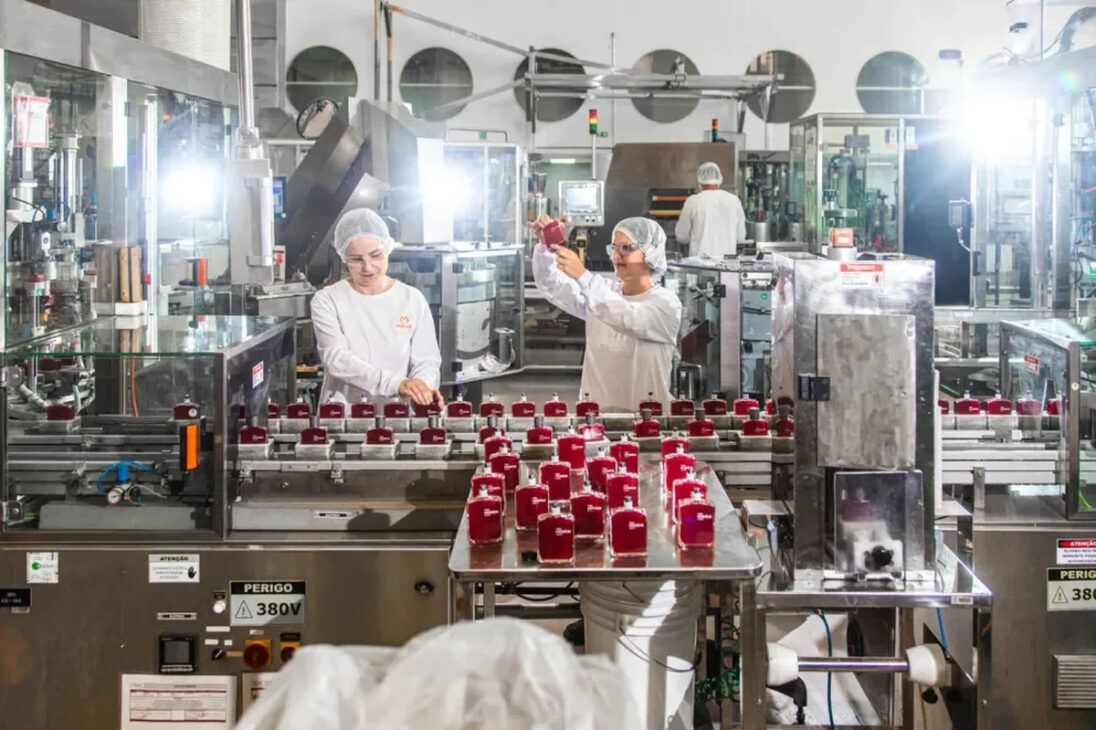
Natura is considered one of the pioneers of the circular economy in Brazil.
According to EXAME, the company introduced refill packaging back in the 1980s and set a goal to become 100% regenerative by 2050.
Additionally, it maintains programs that recover plastic waste in Amazon communities, involving cooperatives and riverside families.
These actions allow part of the plastic removed from rivers to return to the manufacture of new packaging, reducing the consumption of virgin raw materials.
Coca-Cola expands investments in recycled PET
Another important example comes from Coca-Cola.
According to information released by EXAME, Coca-Cola FEMSA Brazil operates the SustentaPET program, responsible for collecting more than 180 thousand tons of post-consumer PET and recycling billions of bottles since its creation.
Additionally, the company invests in building new recycling plants and expands partnerships with cooperatives to strengthen the entire reuse chain.
This strategy aims to increase the use of recycled plastic in packaging and reduce the need for virgin resin production.
Grupo Boticário and Unilever also expand actions
The movement is not limited to the beverage sector.
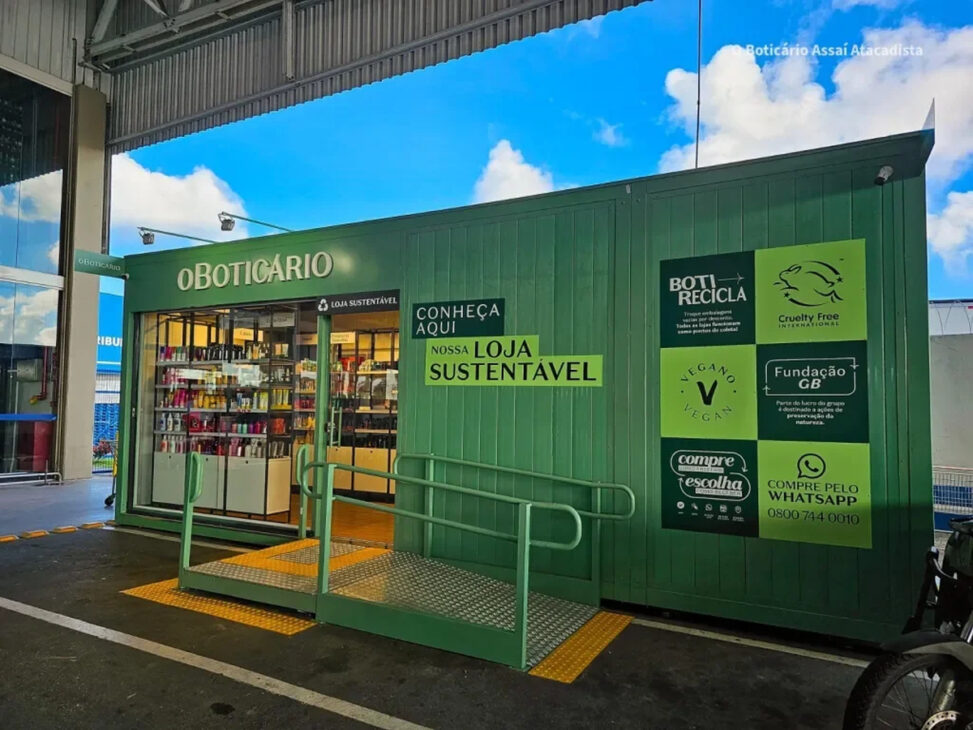
According to EXAME, Grupo Boticário invests in packaging collection programs and in transforming plastic waste into new products, while Unilever has expanded its reverse logistics programs and already uses recycled plastic in various packaging sold in Brazil.
Additionally, these companies set public goals to reduce the use of virgin plastic, aligning their strategies with global sustainability commitments.
Collectors are protagonists of the circular economy
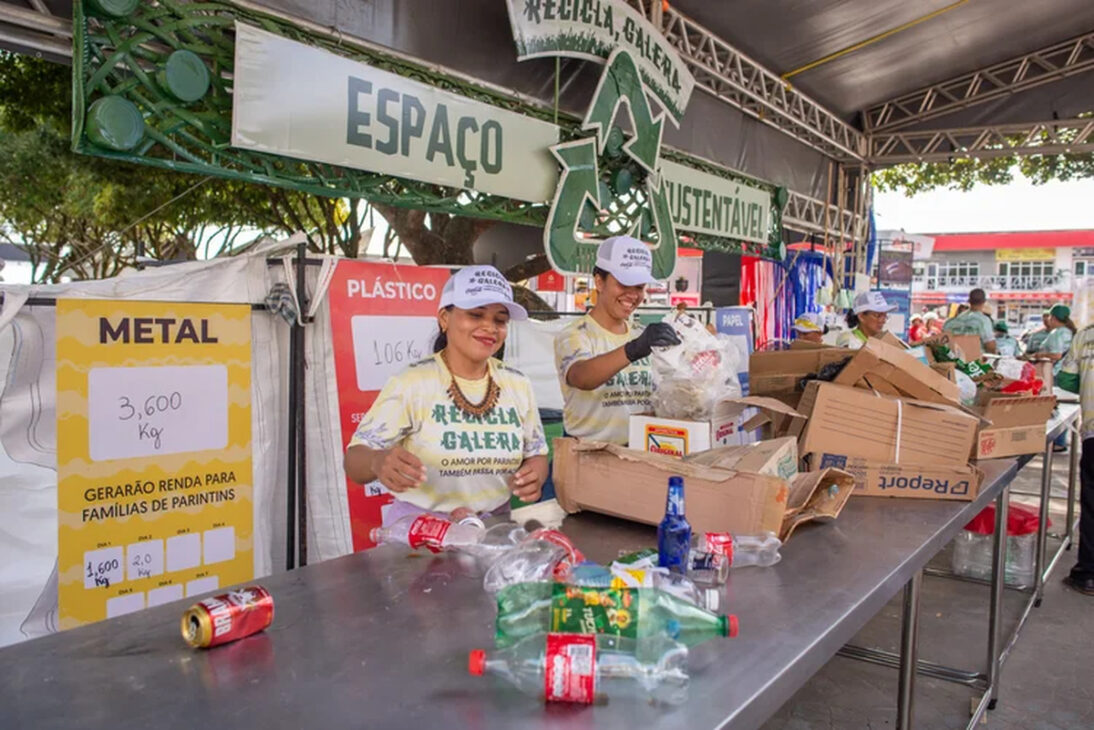
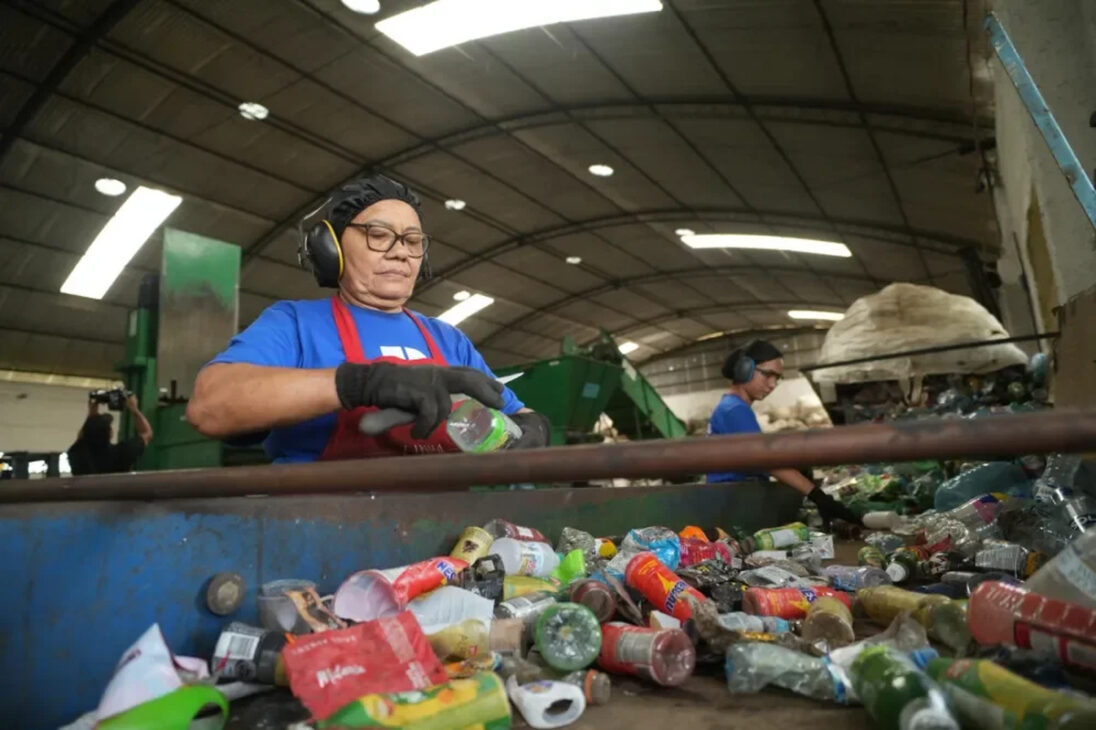
Despite technological advances, experts highlight that Brazilian recycling continues to be strongly supported by the work of recyclable material collectors.
According to EXAME, cooperatives and associations play an essential role in the collection, separation, and commercialization of recyclable waste.
Moreover, various companies have started to include these professionals in their reverse logistics programs, promoting income generation and social inclusion.
This integration strengthens the entire circular economy chain and expands the social benefits of recycling.
The challenges of recycling in Brazil
Even with the growth of investments, there are still significant obstacles.
Among them are:
- low coverage of selective collection;
- high cost of recycled resin, which often exceeds the value of virgin plastic;
- insufficient infrastructure for waste processing;
- limited environmental education;
- regional inequality in solid waste management.
According to EXAME, this set of factors hinders the expansion of large-scale recycling and limits the growth of the circular economy.
Technology drives the transformation of recycling
At the same time, new technologies help make recycling more efficient.
Automated separation systems, artificial intelligence, waste tracking, and new industrial processes increase productivity and improve the quality of recycled materials.
According to experts, these innovations are expected to accelerate the growth of the sector in the coming years.
Furthermore, digitalization allows for greater control over the entire production chain.
Why recycling also represents an economic opportunity
More and more, companies understand that waste has economic value.
By reusing materials, it is possible to reduce production costs, decrease dependence on natural resources, and strengthen the brand’s reputation among consumers and investors.
Additionally, models based on circular economy attract investments linked to ESG practices, which value companies committed to sustainability, social responsibility, and good governance.
In this scenario, recycling ceases to be just an environmental obligation and becomes a competitive advantage.
The future of the circular economy in Brazil
The prospects for Brazilian recycling are positive.
According to EXAME, the new national targets and the increase in private investments indicate that the circular economy should gain even more space in the coming years.
At the same time, the realization of COP30 in Belém strengthens the debate on sustainability and increases the international visibility of Brazilian initiatives.
However, experts highlight that it will be necessary to expand the selective collection infrastructure, strengthen cooperatives, encourage innovation, and stimulate societal participation.
Only with the joint action of governments, companies, and consumers will it be possible to transform waste into wealth, reduce environmental impacts, and consolidate a circular economy capable of generating sustainable development for the coming decades.