






 Portuguese
  Spanish
  3 min of reading
  6 comments


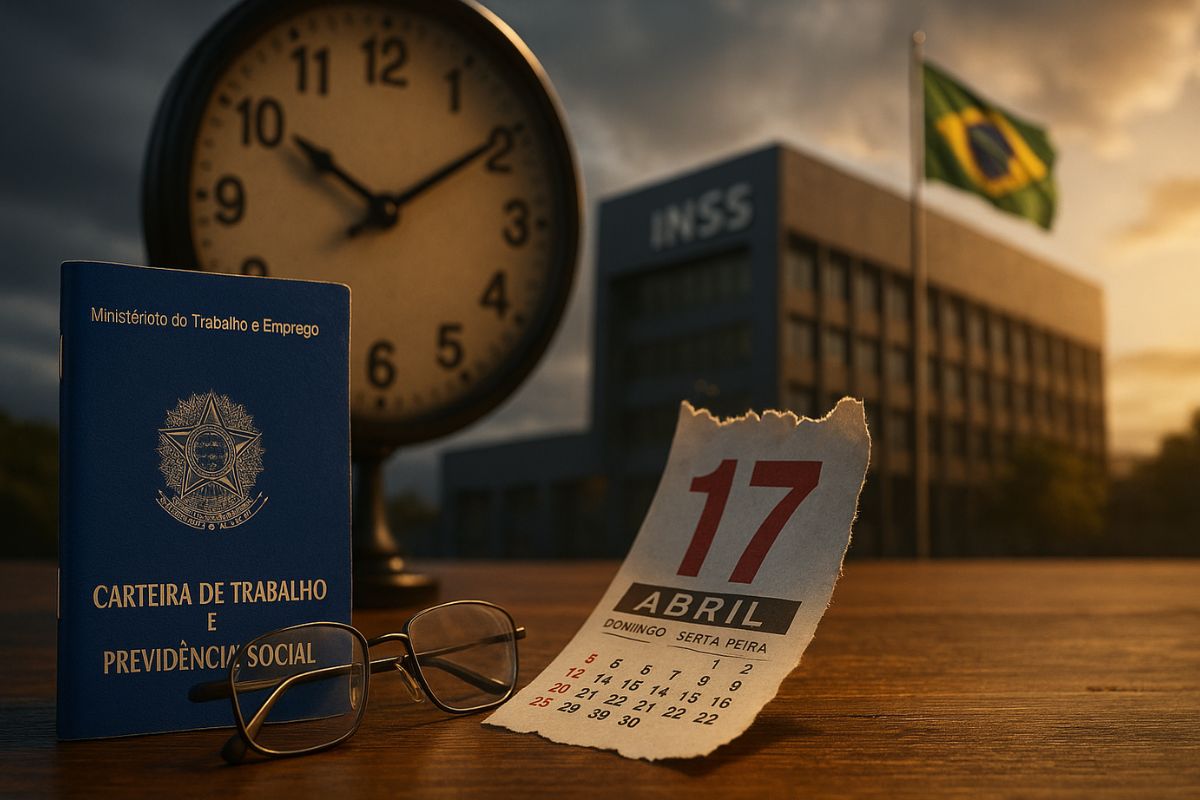


Brazilians Who Worked in Unhealthy or Dangerous Conditions Report Denials from INSS and Face Legal Battles to Secure Special Retirement
The special retirement, as provided by law to protect workers exposed to harmful agents, is at the center of a controversy. Between 45 and 60 years of age, thousands of Brazilians believe they are entitled to the benefit but face denials from INSS. According to social security attorney Tais Santos, the lack of administrative recognition has led many insured individuals to turn to the courts.
The problem affects those who have worked for decades in risky positions, such as electricians, security guards, drivers, doctors, and factory workers. Although the law allows part of this group to retire before the age of 60, INSS often denies requests due to lack of documentation or restrictive interpretation of the regulation. This creates insecurity and loss of retroactive amounts that cannot be recovered.
Who is Entitled to Special Retirement
The special retirement was created to benefit workers exposed to unhealthy, dangerous, or harmful conditions.
-
Detran RJ starts requiring a toxicological test for those obtaining their first driver’s license in the car and motorcycle category starting June 29; see who will be affected.

-
Florida takes TikTok to court and accuses the Chinese giant ByteDance of ignoring the law that bars minors under 14, while parents and authorities demand more protection for children on social networks.
-
Chamber approves constitutional amendment reducing the age of criminal responsibility from 18 to 16 years; what now?

-
Justice confirms that old debts in tax executions that have been stalled for more than 15 years can no longer be collected through judicial or administrative means.


The required contribution time varies: generally, 25 years for men and women, but it may be reduced in specific higher-risk cases.
According to experts, it is not necessary for the company to have paid a hazardous or dangerous pay additional to guarantee the right.
What matters is the proof of exposure to harmful agents, recorded in documents such as the PPP (Professional Profile Report).
Many times, companies do not properly provide these records, forcing the worker to seek technical reports or legal action.
How to Anticipate the Benefit Between 45 and 60 Years
The legislation allows for the anticipation of special retirement in different situations.
Workers exposed to excessive noise, heat, cold, chemical agents, and accident risks can convert special time into regular time, reducing the retirement age.
Additionally, people with disabilities also have different rules.
A severe disability can reduce the required contribution time by up to ten years, allowing men to retire with 25 years of contribution and women with 20.
This explains why many Brazilians achieve the benefit as early as 45 or 50 years old.
Why INSS Denies So Many Requests
According to Tais Santos, the INSS often denies special retirement even when there is substantial evidence.
The agency requires detailed documentation, and minor discrepancies in the records can result in denial.
Without specialized guidance, many workers waste time and miss out on amounts that would make a difference in their monthly income.
Another critical issue is the lack of updating in INSS’s database.
Many work periods do not appear automatically in the system, forcing the insured individual to present old documents that are no longer available.
The alternative in these cases is to seek judicial recourse, where most actions are favorable to the worker.
Impacts for Those Who Delay the Request


Delaying the request for special retirement can lead to significant losses.
As long as the request is not filed, the insured individual does not accumulate retroactive payments; that is, retroactive amounts cannot be paid.
This means that waiting can represent the loss of months or even years of benefits.
Those who secure their rights through the judiciary often face long waits until the final judgement.
During this period, the worker remains without the income they would be entitled to, which exacerbates the feeling of injustice and financial insecurity.
The denial of INSS for thousands of requests for special retirement shows that there remains a gap between legislation and administrative practice.
Many Brazilians aged 45, 50, or 55 could already be retired but end up postponing their rights due to bureaucracy and lack of information.
And you? Do you believe that INSS should ease the recognition of special retirement? Have you faced difficulties in trying to prove unhealthy or dangerous working conditions? Share your opinion in the comments — we want to hear from those living this reality.


Oi boa tarde trabalho em um posto de combustíveis a um ano, tenho 34 anos e 8 meses de contribuição e tenho 61 anos de idade completo 62 em novembro já posso pedir aposentadoria?
Sim, já pode iniciar os tramites!
Trabalhei 26 anos em gráfica na função de impressor de off-set de entrada com 58 anos mais simplesmente o INSS negou.
Bom dia! Tenho 54 anos de idade e 27 anos de contribuição,faz 21 anos que trabalho com agentes nocivos a saúde, pois trabalho em uma escola com mais de 600 alunos, minha função é auxiliar de serviços gerais. Já posso entrar com meu pedido de aposentadoria? Um abraço Doutora!