Portuguese
  Spanish


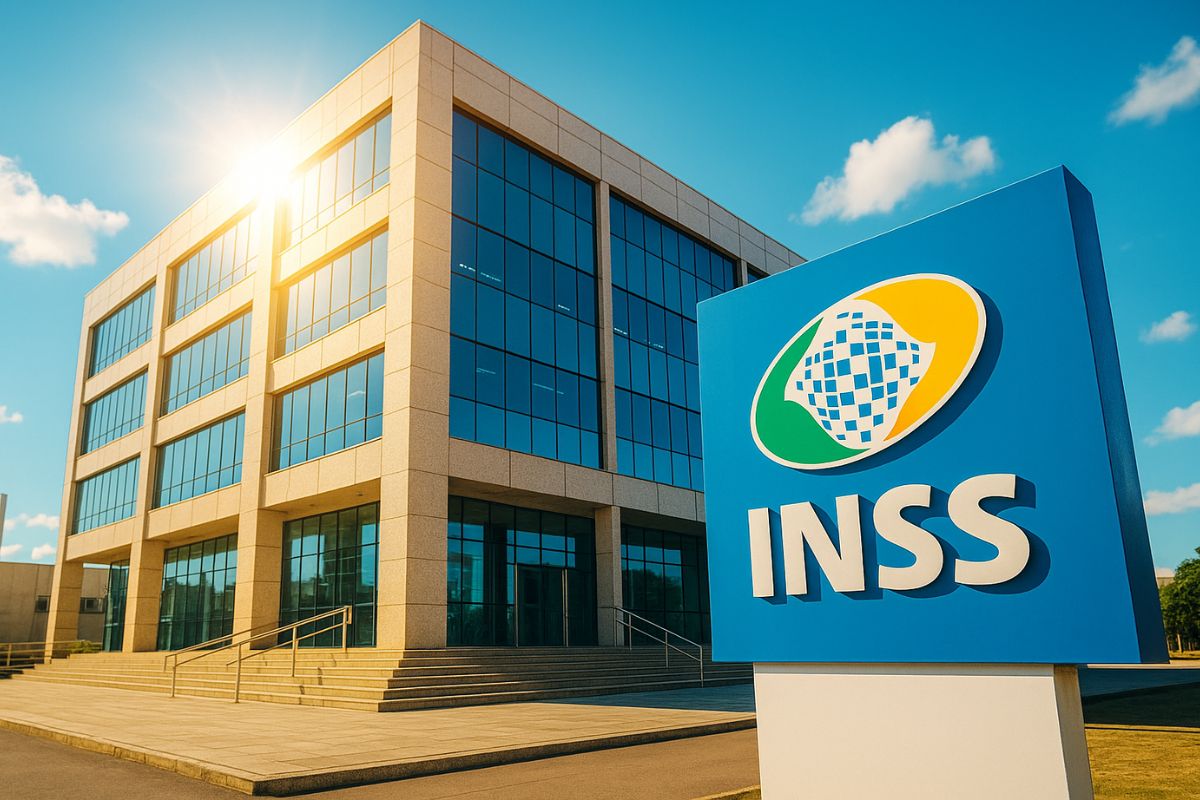

INSS Expects to Save R$ 2.5 Billion in 2026 by Using Atestmed for Sick Leave. Document Analysis System Should Streamline Sick Leave Approval and Reduce Spending on Backlogs and In-person Examinations, Says O Globo
The INSS expects to save R$ 2.5 billion in 2026 with the use of Atestmed in granting sick leave, according to data from the Annual Budget Law Project (PLOA) obtained by the newspaper O Globo. The measure is part of the government’s strategy to contain expenditures on social security benefits, one of the biggest pressures on public accounts.
The Atestmed allows sick leave to be granted based on medical document analysis, without the need for an in-person examination. The anticipated savings come from reduced waiting time, avoiding higher retroactive payments and additional costs due to monetary corrections.
How Does Atestmed Work for Sick Leave?
The Atestmed is a digital platform that analyzes medical reports submitted by the insured. This way, the benefit can be granted without the worker needing to undergo a physical medical examination. The INSS calculation indicates that each benefit issued by the system reduces the average cost from R$ 5,147 to R$ 4,166, generating an approximate savings of R$ 980 per grant.
-
Family Quietly Transforms Old Sawmill into $700 Million Business, Opens 25 Stores in Two Years Across 22 Brazilian States

-
Couple Sold Their Home to Save Business, Now Run Platform Handling $180 Million Monthly and Managing Over 51 Million Listings
-
Brazil’s 2026 Tax Refund: Record 9.58 Million Filers in Largest Payout Ever, But a Key Detail on Priority Recipients Draws Nationwide Attention

-
Itaú Alters Hybrid Work Model, Increasing Office Days from 2028, Prompting Employees to Adjust to New Routine




The goal for 2026 is to achieve R$ 2.582 billion in reduced sick leave expenses. The trend is for savings to grow over the years: R$ 2.764 billion in 2027, R$ 2.948 billion in 2028, and R$ 3.138 billion in 2029.
Who Will Be Affected by the Change?
The use of Atestmed for sick leave directly benefits workers on leave due to temporary incapacity, who will have their process expedited. For the government, the measure reduces the waiting queue and alleviates the burden on INSS agencies.
However, experts warn that document analysis may lead to disputes in more complex cases, where an in-person examination would be necessary to evaluate detailed medical conditions. The balance between speed and legal security will be crucial for the success of the initiative.
Where Should the Savings Be Applied?
According to government technicians, the resources saved with the sick leave via Atestmed may relieve the social security budget, making room for investments in other social areas. The measure is seen as part of the fiscal strategy to reduce pressure on mandatory expenditures.
The challenge, however, is to ensure that the system operates fully, without failures or fraud. In 2024, for example, the initial forecast was to save R$ 5.6 billion, but the actual result was R$ 3.6 billion due to delays in implementation and the strike of INSS servers.
Why Does the Government Rely on Atestmed?
According to the PLOA document, the sick leave is one of the benefits that most impacts the Social Security budget. The reduction in analysis time, which previously could exceed 180 days, has already yielded gains. In 2025, the government attempted to reduce the maximum benefit period to 30 days but retreated and set it at 60 days, extendable up to 120.
The expectation is that digitalization will make the process faster, reduce fraud, and generate predictability in government spending. Nonetheless, lawmakers are discussing adjustments to ensure that insured individuals are not left without assistance in specific cases.
Is It Worth Relying Solely on Atestmed?
The use of Atestmed for sick leave is seen as a step forward in the digitalization of Social Security, but it does not eliminate criticism. For workers with more complex medical conditions, the absence of an in-person examination may raise concerns about fairness and accuracy in assessments.
At the same time, the projected billion-dollar savings could bolster the INSS’s budget and contribute to the sustainability of the system. The lingering question is whether the speed will compensate for potential flaws in medical evaluation.
INSS expects to save R$ 2.5 billion in 2026 by using Atestmed for sick leave, betting on digitalization as a solution to reduce costs and expedite grants. The measure promises more efficiency but also raises debates on the safety of analyses conducted solely through documents.
And you, do you believe that sick leave can be granted solely based on document analysis, or do you consider in-person examination indispensable? Share your opinion in the comments — we want to hear from those who have faced the process in practice.