Portuguese
  Spanish


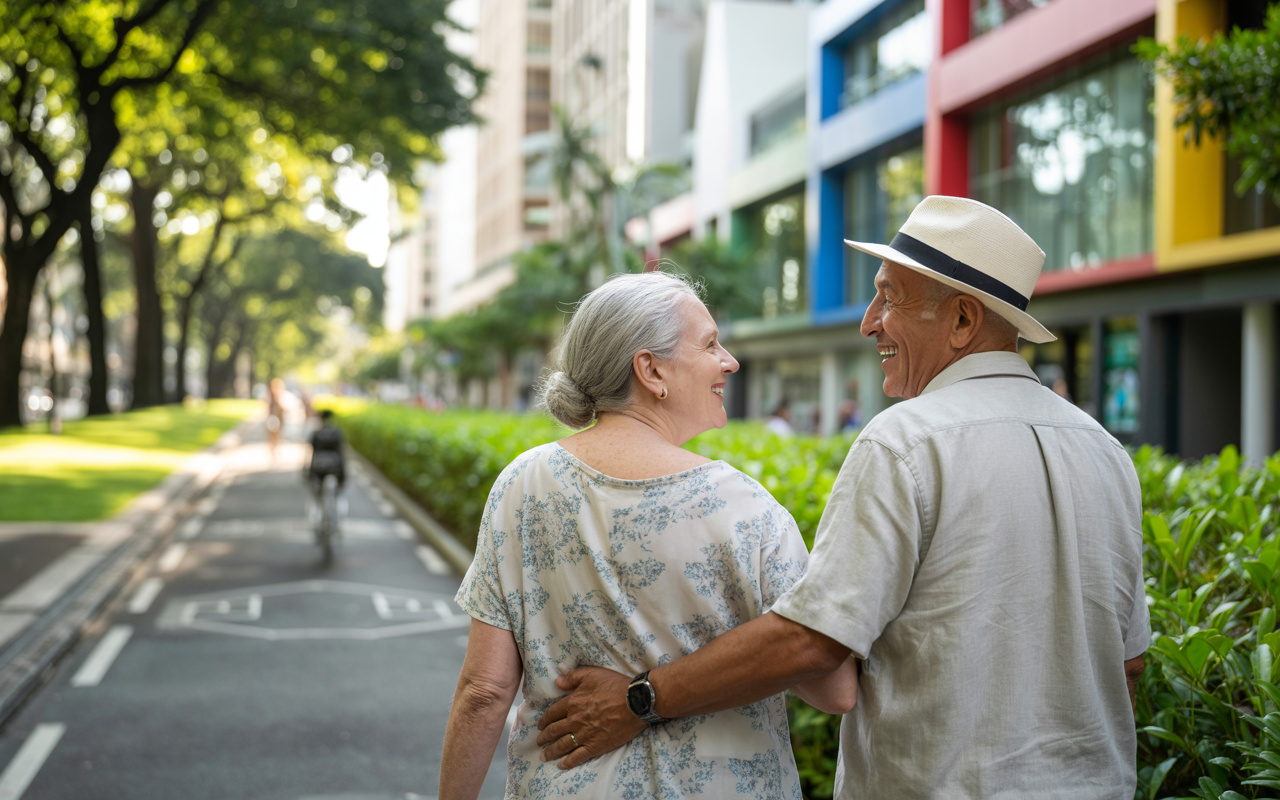


Longevity Institute Study Analyzed 23 Indicators of Health, Economy and Social Environment to Define the Municipalities Where Living After Retirement Guarantees Better Quality of Life.
The choice of where to live after retirement is a decision that goes far beyond personal preference. Health, cost of living, urban structure, and even the social environment make all the difference in this phase of life. With this in mind, the Longevity Institute (IDL) developed a national ranking highlighting the Brazilian municipalities most recommended for enjoying retirement with well-being and security.
The study utilized 23 indicators grouped into three main dimensions: health, economy, and socio-environmental. The methodology aimed to measure everything from the availability of hospital beds and vaccination rates to factors such as life expectancy, civic engagement, and digital connectivity.
São Caetano do Sul at the Top
According to the data, the winner was São Caetano do Sul (SP), a city located in the metropolitan area of São Paulo. With just over 160,000 inhabitants, the municipality stands out for its high Human Development Index (HDI), robust healthcare infrastructure, and quality of public services.
-
China’s masterstroke: a plant capable of regrowing even when buried by sand helps to recover more than 7,300 hectares of desert with 5 million seedlings, roots over 10 meters deep, and rainfall below 150 mm per year.

-
Portugal placed 1.4 million m³ of sand in the Algarve, spent 14.9 million euros to recover 6.7 km of beaches between Quarteira and Garrão, and is now trying to gain 37.5 meters of shoreline before the sea advances again.
-
The blacksmith’s son dropped out of school at 15, became a mechanic, lost his factory in the war, and built Honda, the Japanese giant that today sells millions of motorcycles and cars worldwide.

-
The day Japan crossed the Pacific, took two icy islands in Alaska, and put the United States on full alert in World War II.





The city is traditionally recognized as one of the best in the country for longevity and life expectancy. Coupled with this, easy access to the capital and local economic stability weighed heavily in the assessment.
Santos and the Coastal Region of São Paulo in the Spotlight
In third place in the survey is Santos (SP), also in the state of São Paulo. The coastal municipality boasts good health indicators, an established hospital network, and one of the highest life expectancies in the country.
Beyond the numbers, Santos offers an urban environment that combines quality of life and leisure options, such as the beachfront and cultural facilities. It is no coincidence that the city often ranks among the favorites of retirees seeking a balance between infrastructure and tranquility.
Other Highly Rated Cities
The ranking also reinforced the presence of other municipalities already known for their quality of life. Florianópolis (SC) stands out for its combination of nature, relative safety, and service network. Meanwhile, Vitória (ES) was noted for its high life expectancy and good urban management.
Porto Alegre (RS) and Niterói (RJ) also appear in parallel analyses as standout options, each with its own strengths: in the southern capital, the healthcare network is a reference; in Niterói, proximity to Rio de Janeiro without sacrificing better social indicators makes a difference.
What Was Analyzed
Among the criteria analyzed by the Longevity Institute were:
- Health: number of doctors and hospital beds per capita, vaccination rate, mortality from chronic diseases, and life expectancy;
- Economy: financial stability, consumption capacity of the elderly population, and social support policies;
- Socio-environmental: violence rates, participation in community activities, environmental preservation, emotional connections, and internet access.
The combination of these factors allowed for a broad view of what it truly means to age with quality in Brazil.
Why Does São Paulo Dominate the Ranking?
The fact that São Caetano do Sul and Santos appear among the top positions is no coincidence. The state of São Paulo has the largest network of hospitals and health services in the country, along with more structured public policies for the elderly.
Another point is urban infrastructure: public transport, accessibility, and the availability of basic services make a difference in the lives of those over 60 years old.
Retirement Beyond Money
The survey also draws attention to an often-overlooked aspect: retirement is not just about income, but also about social and emotional conditions.
Access to cultural activities, feeling integrated into the community, and being able to rely on support networks are factors that directly impact quality of life. The IDL study reinforces that cities with higher civic engagement and better community relations tend to provide more well-being for retirees.

Tranquility and Dignity After Retirement Is Possible in Several Brazilian Cities
The ranking from the Longevity Institute shows that Brazil indeed has cities capable of offering good conditions for those seeking tranquility and dignity after retirement. São Caetano do Sul leads for excellence in health and longevity indicators, closely followed by Santos and other regional capitals like Florianópolis and Vitória.
The message is clear: choosing where to live in retirement can be decisive in transforming this phase of life into a period of well-being, health, and social integration. For those dreaming of more peaceful days, the map is drawn — just decide in which of these cities to live the next chapter of life.