






 Portuguese
  Spanish


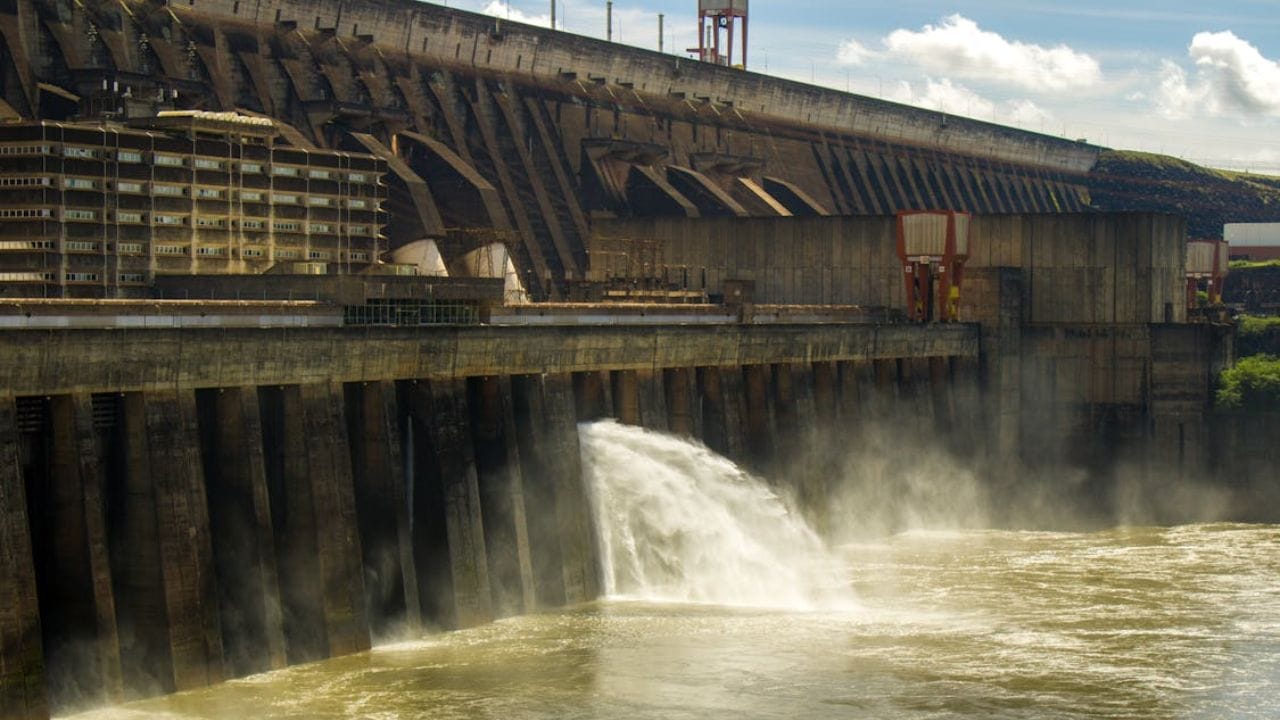

The North American Intention to Acquire Paraguayan Energy from the Binational Hydroelectric Plant to Supply Artificial Intelligence Projects Emerges as a New Factor in the Delicate Negotiations of Annex C, Crucial for Brazil.
The United States has expressed interest in purchasing the surplus energy from Paraguay generated at the Itaipu hydroelectric plant, a move that could introduce new complexities into the ongoing negotiations between Brazil and its neighbor. The statement came from U.S. Secretary of State Marco Rubio and raises an alert for Brazilian diplomacy and the national electric sector.
The American Proposal and the Impact on Global Energy Demand
During a session in the Senate of the United States, Marco Rubio highlighted that the advancement of technologies such as artificial intelligence (AI) will drive a demand for energy that could exceed current global production capacity. In this scenario, Rubio sees a window of opportunity for nations with energy surpluses, such as Paraguay. “We need to be at the table to talk about our partnership with countries that have this energy, for example, Paraguay, which has a hydroelectric plant and was in a long agreement with Brazil, and this agreement has now expired. They’re trying to figure out what to do with this energy,” said the secretary. He added, suggesting the establishment of AI centers in Paraguay: “They can’t put the energy in a tank and transport it by sea. So someone smart needs to go to Paraguay and open an AI facility.”
Implications for the Negotiations of Annex C Between Brazil and Paraguay

The U.S. expression of interest arises at a delicate moment for Brazil. The so-called “Annex C” of the Itaipu Treaty, which defines the financial and service provision bases of the plant’s electricity, expired in 2023, and both countries are seeking a new consensus. The energy generated by Itaipu is divided equally, but Paraguay historically does not consume its entire quota, selling the surplus to Brazil. Now, with a significant potential buyer on the horizon, Paraguay’s position in the negotiations gains strength.
-
Brazil to Hold First Auction for Batteries to Store Solar and Wind Energy from the Northeast

-
Brazilian scientists are simultaneously advancing two research projects on clean hydrogen and driving solutions that could transform the energy matrix, enhance industrial competitiveness, and accelerate large-scale emission reduction targets.

-
Advancement in renewable energy: A R$ 150 million project launched by Petrobras and Finep aims to create state-of-the-art electrolyzers for green hydrogen, strengthening national research and preparing Brazil to compete in a billion-dollar energy market.
-
Illiterate or semi-literate grandmothers were trained to repair solar systems, open rural workshops, and light up homes that still depended on kerosene.



Experts’ View on U.S. Strategy
Experts from the Brazilian electric sector analyze that the U.S. strategy is feasible and will indeed intensify discussions about Annex C. Luiz Eduardo Barata, former general director of the National Electric System Operator (ONS), told CNN that the U.S. movement reinforces Paraguay’s bargaining power. “The American strategy makes sense, it is feasible [to establish plants in Paraguay to utilize energy from the plant]. There’s no doubt this will complicate the discussion between Brazil and Paraguay about Annex C. Paraguay currently doesn’t have many cards to play and now it does,” assessed Barata.
History of Energy Division and the Current Impasse
The Itaipu Binational hydroelectric plant has its production divided equally between the two partner countries, Brazil and Paraguay. As Paraguayan consumption is lower than its share, the neighboring country traditionally sold this unused energy to Brazil. With the previous agreement ending in 2023, renegotiating the terms for marketing this surplus has become a priority. Although progress was made in February this year, with a new Annex C expected by May, a supposed espionage incident by the Brazilian Intelligence Agency (Abin) in Paraguayan government bodies generated a diplomatic strain that paralyzed the talks, a scenario now made even more complex by American interest in Paraguayan energy.
With information from CNN.




