Portuguese
  Spanish


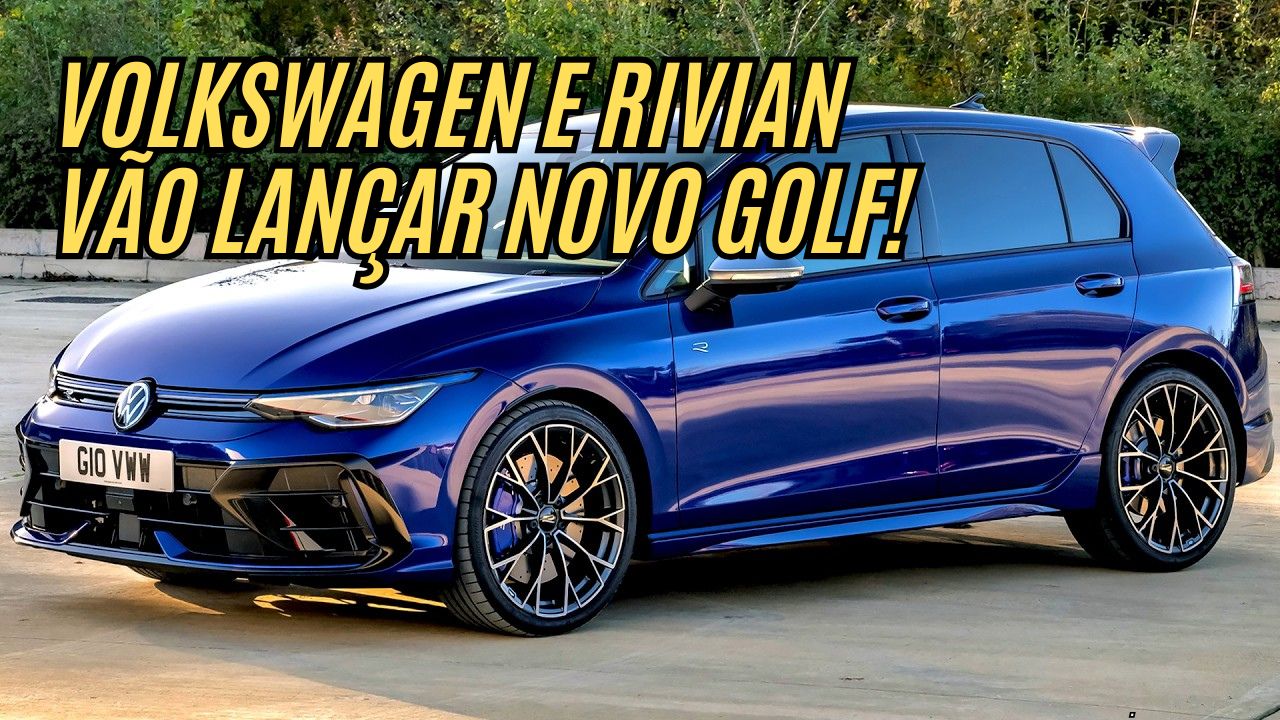

Volkswagen has just announced a milestone in the history of its most iconic model. The new Golf, the anticipated electric version of the classic hatch, is set to hit the market in 2029. Promising to revolutionize the segment, the model will be developed in partnership with American company Rivian, known for its innovation in the electric automotive sector.
The launch of the new Golf marks the definitive transition of the model to electrification. Volkswagen is betting heavily on the Scalable Systems Platform (SSP), which will support the ninth generation of the Golf. The brand’s CEO, Thomas Schäfer, highlighted the importance of collaboration with Rivian, the result of a joint venture worth an impressive US$ 5.8 billion, aimed at creating cutting-edge technologies in platforms and software for electric vehicles.
The partnership not only redefines the Golf, but also signals the technological evolution that other brands in the group, such as Audi and Porsche, will experience before the launch of the electric hatch. These brands will be pioneers in utilizing the SSP innovations, expected by 2027.
Strategic Partnership Volkswagen and Rivian
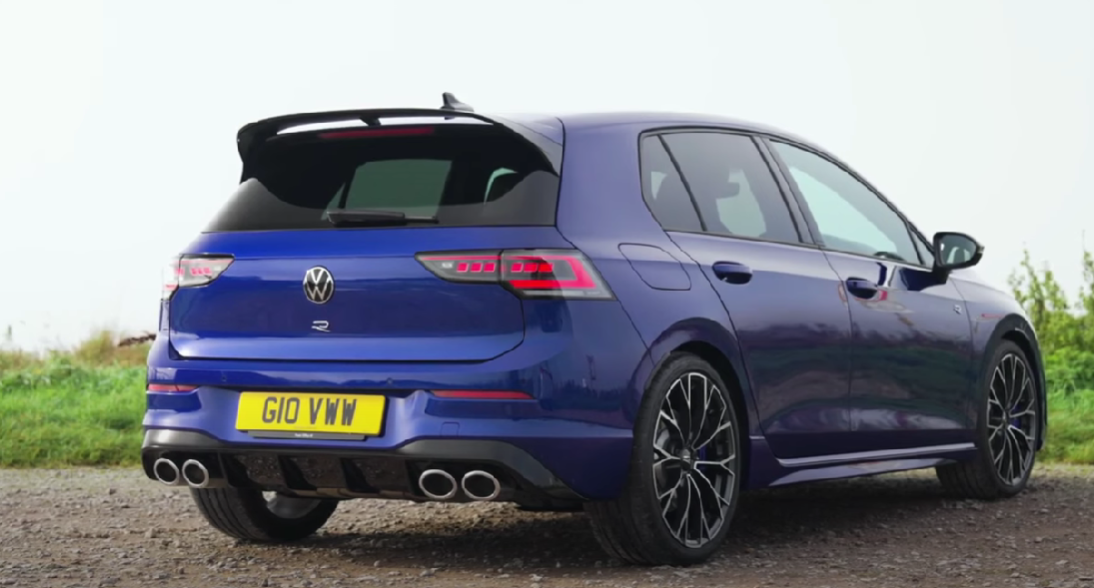
The union between Volkswagen and Rivian promises significant impacts on the global automotive sector. In addition to reinforcing their commitment to sustainability, the joint venture is presented as one of the largest collaborations in the industry, covering multiple segments and bringing innovation to different categories of vehicles.
-
2027 Toyota Corolla Cross Unveiled: New Design, Enhanced Fuel Efficiency, Reduced Maintenance Costs, Advanced Technology, Connected Services, and Up to 10-Year Warranty

-
Fiat Cronos Precision 2018: Affordable Sedan with Spacious Trunk and Reliable Maintenance
-
Volkswagen to Cut Production by 1 Million Cars by 2030, Reducing Jobs and Platforms, Focusing on More Profitable Models

-
Toyota Launches First 100% Electric Car in Brazil: bZ4X with 343 HP, All-Wheel Drive, 361 km Range, Priced at $419,990 BRL, Limited to 99 Units



The new Golf also raises expectations about the future of other electric models, such as the ID.3. The temporary replacement for the e-Golf, the ID.3 is expected to receive a facelift in 2026, with improvements to meet consumer demands. However, the arrival of the electric Golf is set to represent a step forward, consolidating Volkswagen’s position in the market.
The Future of the Golf and Electrification
The MK9 generation of the Golf will bring an end to combustion engines, aligning with European regulations that will prohibit these engines by 2035. Meanwhile, the MK8 will remain on the market until the deadline, ensuring a gradual transition to the electric model.
The advancement of the new Golf reflects Volkswagen’s vision to lead the future of sustainable mobility. With Rivian’s expertise, the German automaker aims not only to reinvent the Golf but also to establish new standards of innovation in the automotive industry.
Stay tuned: 2029 marks the arrival of a new era for the classic hatch, now 100% electric. The new Golf is on the way to surprise and transform the market.