






 Portuguese
  Spanish


According to the Tehran Times, echoed by TV BRICS, the grain exchange proposal was discussed by the Iranian Minister of Agriculture, Gholamreza Nouri Ghezeljeh, and the Russian Deputy Minister Maksim Markovitch, in Indore, India. The initiative is still under construction and depends on strong support from Russia, according to Tehran.
Iran and Russia announced that they are working closely on creating a grain exchange for BRICS countries, as stated by the Iranian Minister of Agriculture, Gholamreza Nouri Ghezeljeh. The statement was made during a meeting with the Russian Deputy Minister of Agriculture, Maksim Markovitch, in the Indian city of Indore, and was echoed by the Tehran Times, a partner of TV BRICS.
The Iranian authorities present the project as a strategic piece for agricultural trade among emerging economies. According to the Tehran Times, Tehran described the BRICS grain exchange as a mechanism capable of increasing market transparency, facilitating grain transactions, and strengthening food supply chains, and highlighted that the initiative will require strong support from Russia, one of the world’s largest grain producers. The negotiations took place during the BRICS Agriculture Ministers’ meeting on June 12 and 13, 2026, in Indore, in the Indian state of Madhya Pradesh.
The BRICS Grain Exchange Proposal
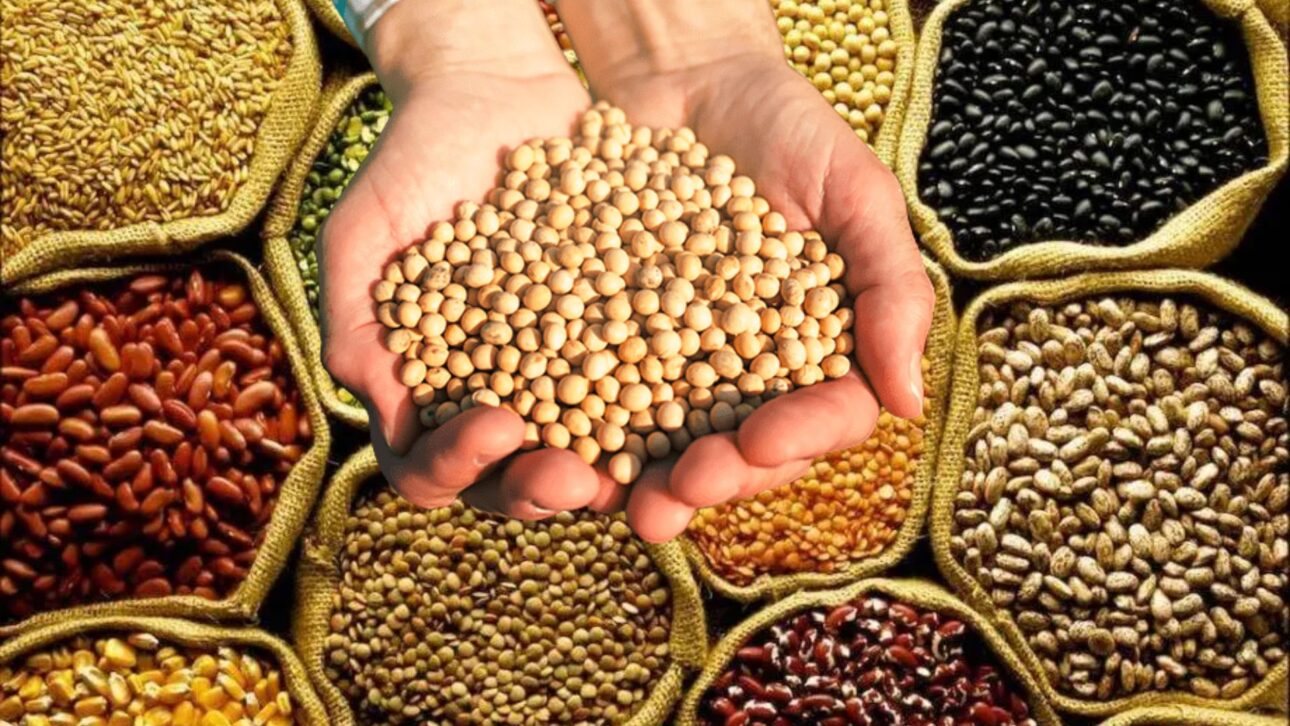
The project is described by Tehran as an agricultural integration tool among emerging economies. The Iranian authorities presented the BRICS grain exchange as a strategic mechanism, capable of increasing market transparency, facilitating grain transactions, and strengthening food supply chains among the group’s countries.
-
Producer receives news and had to cull almost the entire herd, bounced back with the help of compensation, and is now producing 450 liters of milk per day in SC.

-
Quail Eggs Reveal a “Secret Code” on Their Shells Explaining Unique Patterns and Colors

-
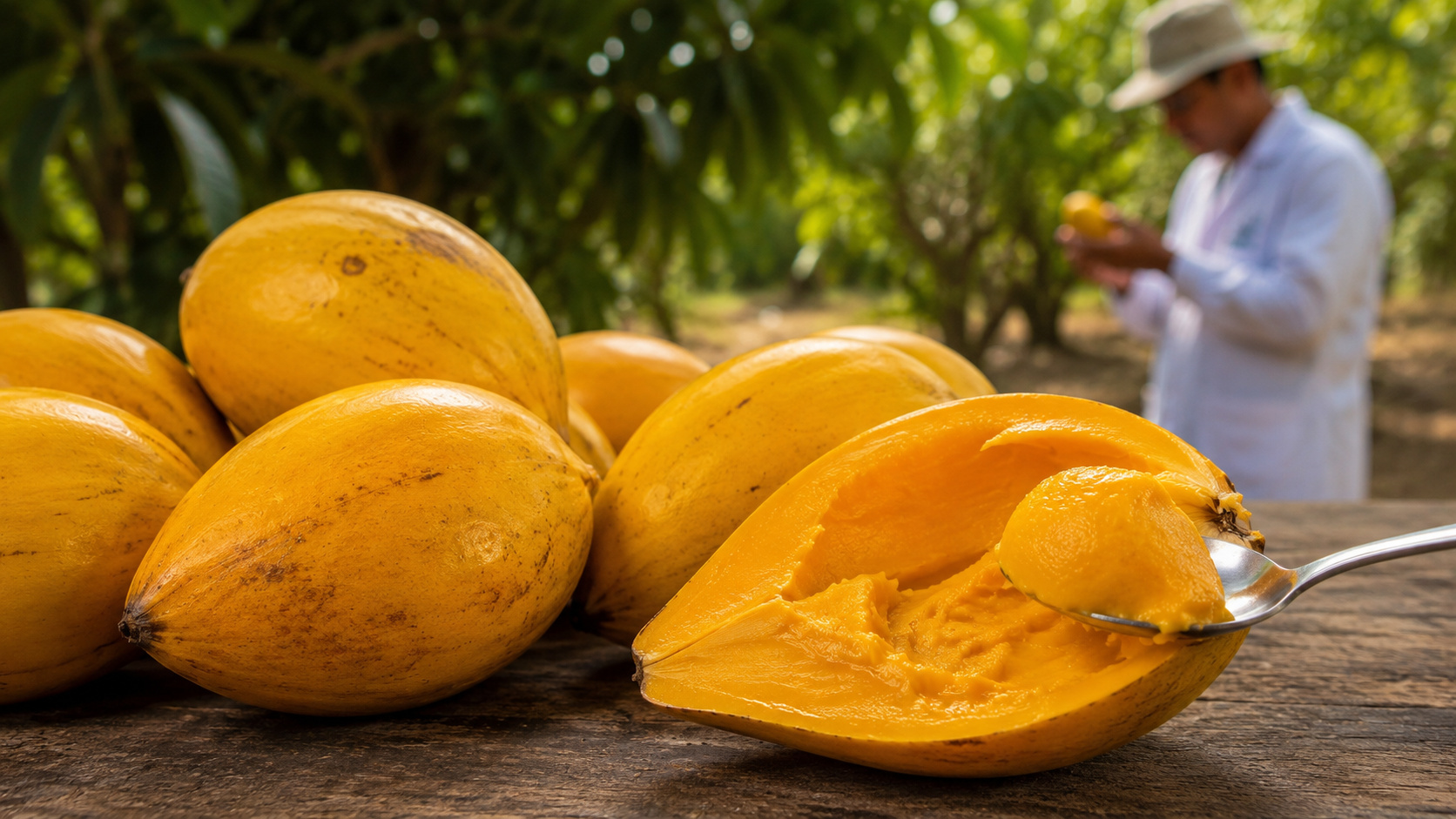
Rare Tropical Fruit Canistel, with Egg Yolk Color and Caramel Flavor, Gains Interest from Researchers and Small Producers in Brazil
-
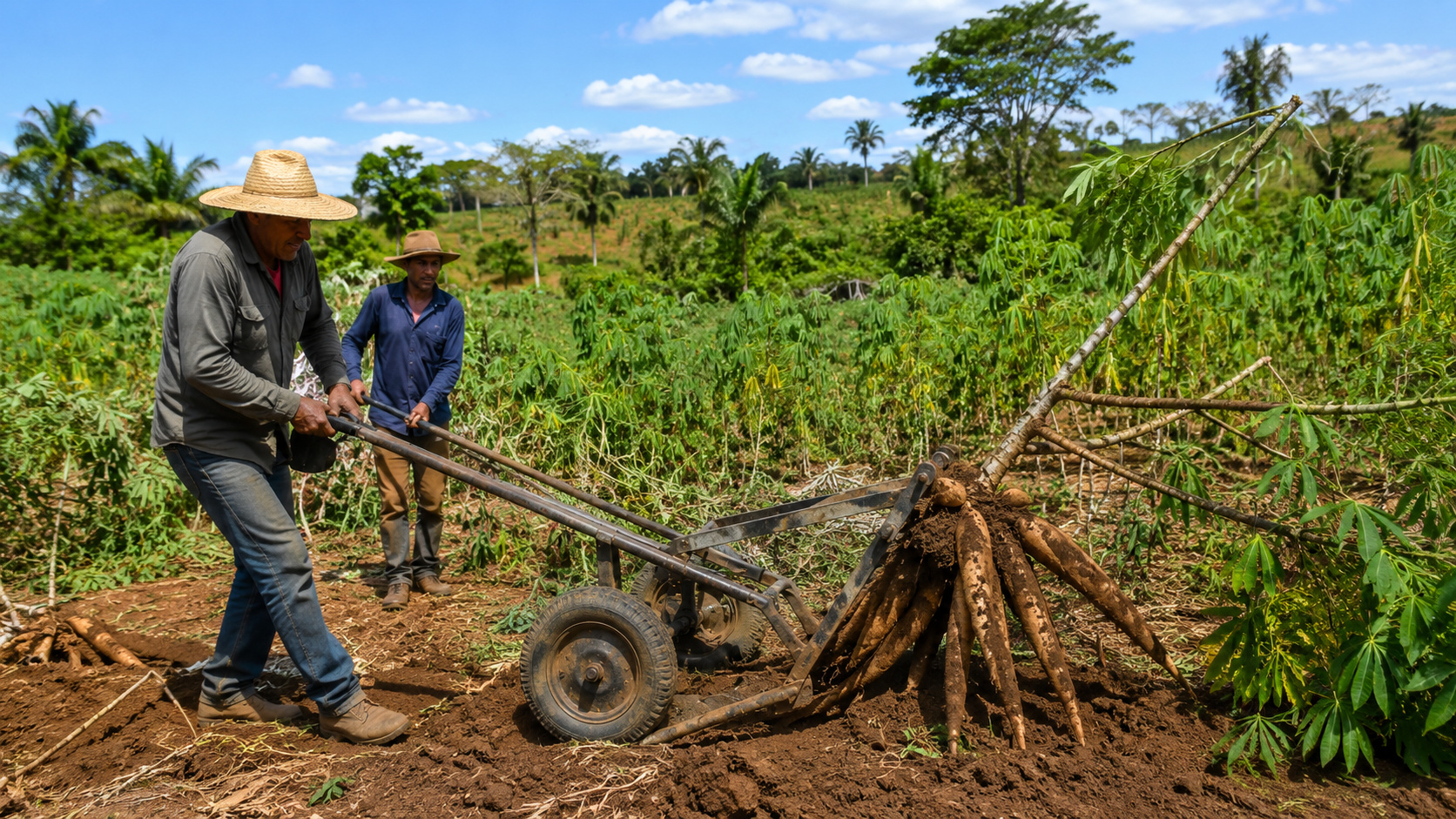
Brazilian Farmers Develop Wheeled Metal Lever to Ease Cassava Harvesting Without Heavy Machinery


The advancement of the idea, however, directly depends on Moscow. Tehran highlighted that the success of the initiative will require strong support from Russia, described as one of the world’s largest grain producers and a prominent participant in the association. The grain exchange thus remains a proposal under construction, conditioned on cooperation between the two countries.
The appeal to central banks and payments
The financial side gained special attention in conversations about the grain exchange. Tehran urged the central banks of the two countries to engage more actively in simplifying payments and commercial operations, in support of the business sector operating in trade between the markets.
Coordination between financial institutions was also on the agenda. Representatives from both sides advocated for closer coordination between financial institutions and regulatory bodies to facilitate payments, reduce transaction costs, and support companies operating in agricultural trade. The Iranian minister also thanked Russia for its support of the country’s initiatives on the international stage.
Maritime transport, ports, and logistics
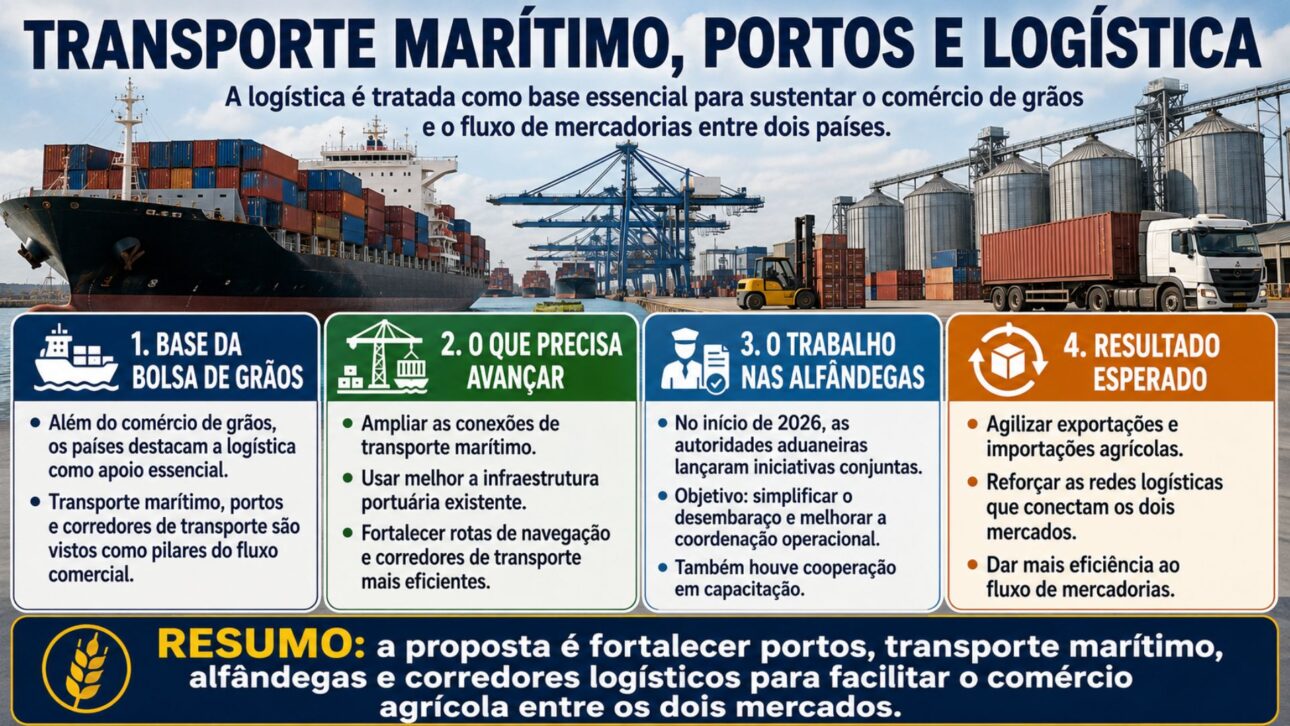
Logistics appears as a practical basis to support the grain exchange. In addition to grain trade, the two countries emphasized the importance of expanding maritime transport connections and making better use of existing port infrastructure, seen as essential supports for the flow of goods. Authorities noted that stronger navigation routes and more efficient transport corridors will be crucial for future agricultural exports and imports.
Joint work had already been underway at customs. In early 2026, the customs authorities of the two countries launched initiatives aimed at simplifying clearance procedures, improving operational coordination, and strengthening cooperation in training. They also worked on practical measures to streamline trade flows and reinforce the logistics networks connecting the two markets.
Agriculture as the engine of Iran-Russia cooperation
The grain exchange fits into rapidly growing agricultural cooperation. Agriculture remains one of the fastest-growing areas of bilateral cooperation between Iran and Russia, and both expressed willingness to expand trade in essential commodities, develop joint agricultural mechanisms, and intensify collaboration on food security initiatives within the BRICS framework.
On the Russian side, the response was to embrace the proposal. Russia supported Iran’s participation in the initiative and expressed willingness to expand bilateral cooperation and implement joint projects within the group. The convergence reinforces agriculture as a central axis of the relationship between the two countries.
A tourism agreement between 2026 and 2028
In parallel with the discussions about the grain exchange, the two countries advanced on another front. A new tourism cooperation roadmap for the period from 2026 to 2028 was signed during an international forum in Moscow, as another sign of the rapprochement between Tehran and Moscow.
The tourism agreement aims to make life easier for those traveling between the two countries. The document establishes measures to facilitate travel, enhance payment systems, simplify visa procedures, and strengthen air connectivity, in addition to provisions to improve the financial accessibility of travelers. Both sides expressed confidence that tourist flows can grow significantly as connectivity improves and regional conditions become more favorable.
The BRICS grain exchange proposal, led by Iran and Russia, remains a work in progress, with the simplification of payments, banking coordination, and maritime logistics as main pillars, according to Iranian authorities cited by the Tehran Times and echoed by TV BRICS.
For Brazil, a BRICS member and one of the world’s largest grain exporters, such an exchange is a matter of direct interest, even though the announcement focused on the axis between Tehran and Moscow.
The talks, held at the BRICS Agriculture Ministers’ meeting on June 12 and 13, 2026, in Indore, point to deeper agricultural cooperation among emerging economies, although the practical outcomes of the grain exchange still depend on further negotiations.
And you, what do you think of a BRICS grain exchange led by Iran and Russia? Do you believe it can change agricultural trade among emerging economies? Share your opinion and exchange ideas with other readers about trade and geopolitics, with respect for different views.


