Portuguese
  Spanish


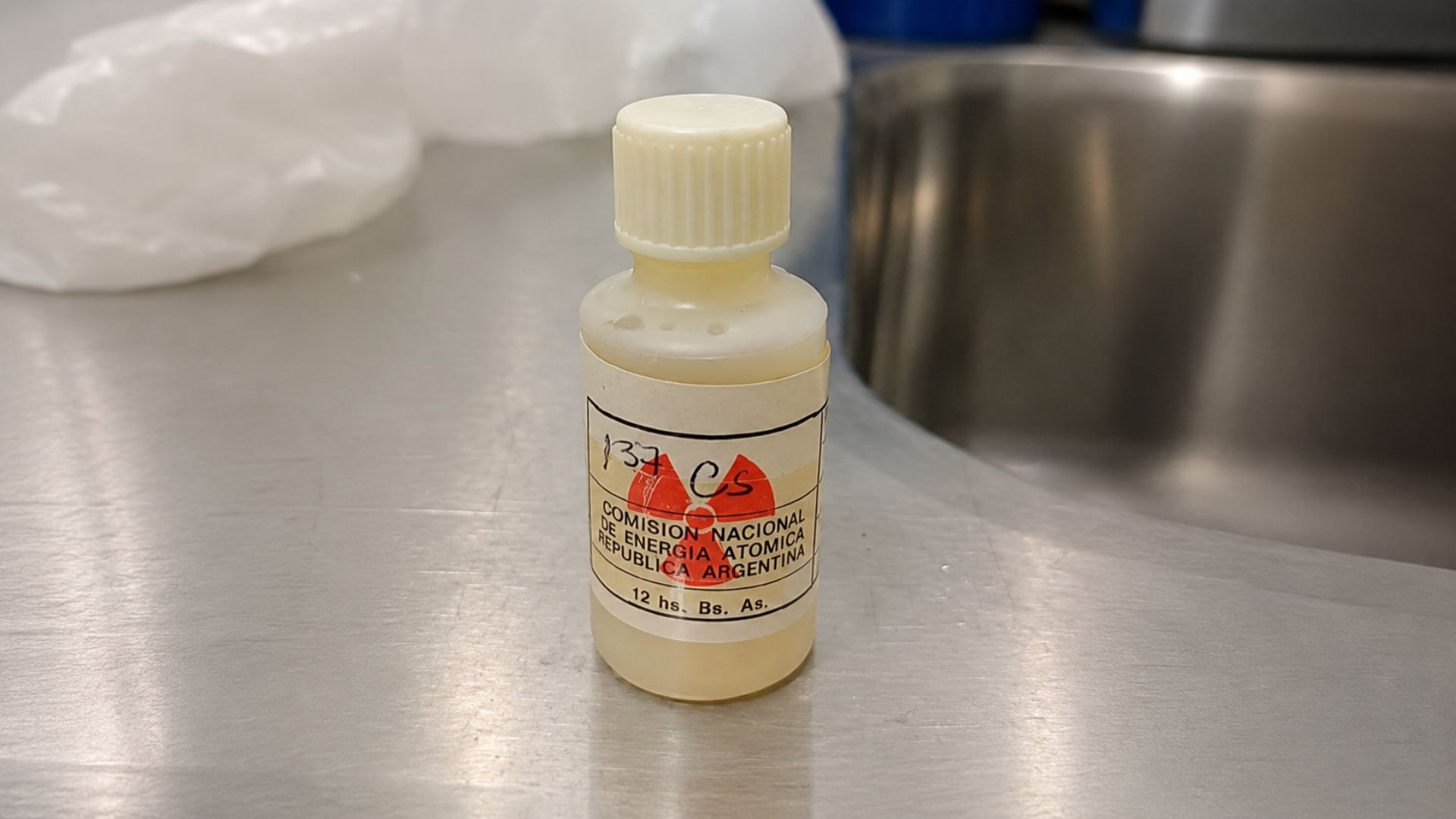

According to the Argentine Nuclear Regulatory Authority, the Cesium-137 capsule disappeared from a laboratory in Rosario, where it was calibrating medical equipment. The agency activated the radiological emergency system but assesses that the risk is very low, as it is sealed in lead, and asks that no one touch the object.
The Argentine government issued an alert after the theft of a Cesium-137 capsule from a laboratory in the city of Rosario, on June 16, 2026. The information was confirmed by the country’s Nuclear Regulatory Authority (ARN), which asks the population not to open, transport, or tamper with the missing object.
The radioactive material was stored inside a lead capsule, created to prevent the release of radiation into the environment. According to the ARN, the disappearance was noticed when laboratory technicians were going to use the capsule to calibrate medical equipment, and shortly after being informed, the agency activated the radiological emergency system and alerted other authorities, although it assesses that the risk at the moment is very low.
The theft of Cesium-137 in Rosario
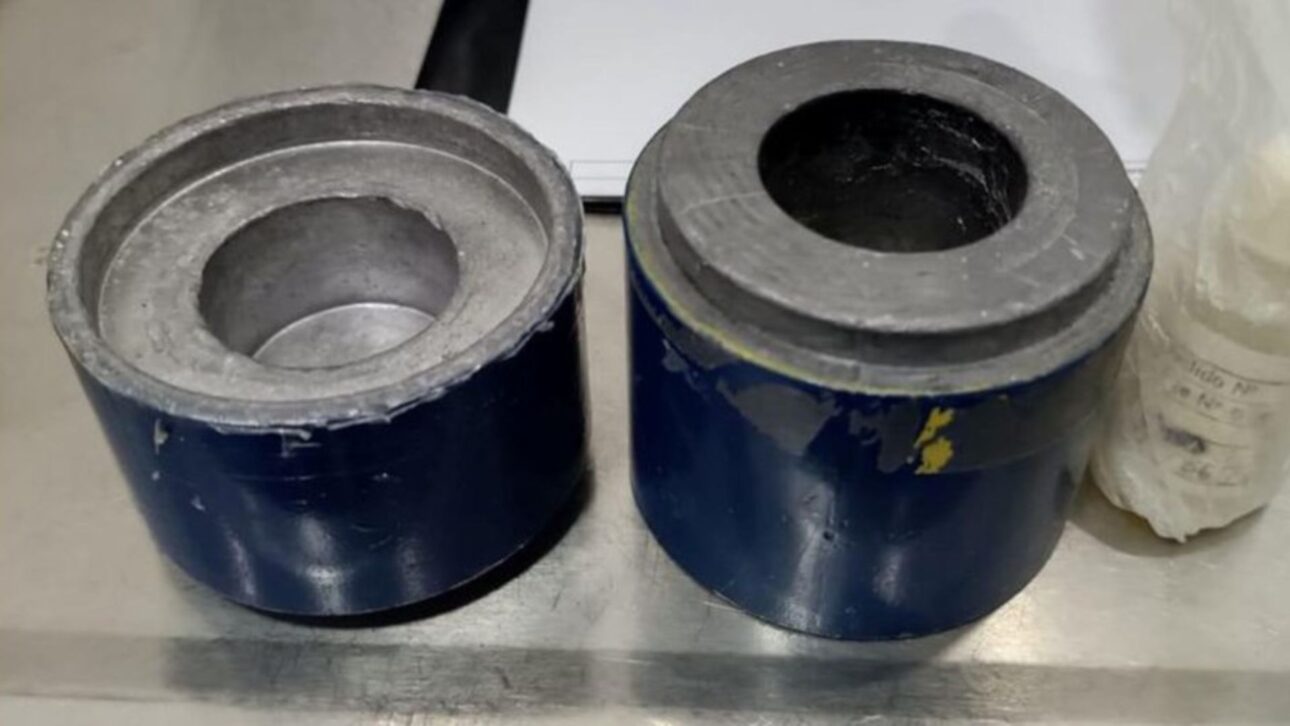
Lead capsule that protected the cesium-137
The disappearance came to light during a work routine at the laboratory. The disappearance was noticed when technicians arrived at the location where the Cesium-137 was stored, to use the capsule in the calibration of medical equipment, and discovered that the material had disappeared. The substance was protected by a lead capsule, specifically made to prevent radiation from escaping into the environment.
-
In Brazil’s backyard: Tesla, by Elon Musk, announces official operations in Uruguay, where electric vehicles already make up 20% of new cars but still leaves out the largest market in the region.

-
This Mars rover may finally reveal if life ever existed on Mars.
-
A nearly 70-year-old Chinese inventor has registered 90 patents and created a device that stores water in the roots, helping seedlings survive drought while trying to transform the arid slopes of the Loess Plateau into green areas without relying on heavy irrigation.

-
Researchers want to change the way of producing rare earth magnets, reducing purification steps and making better use of the elements found in Swedish deposits.


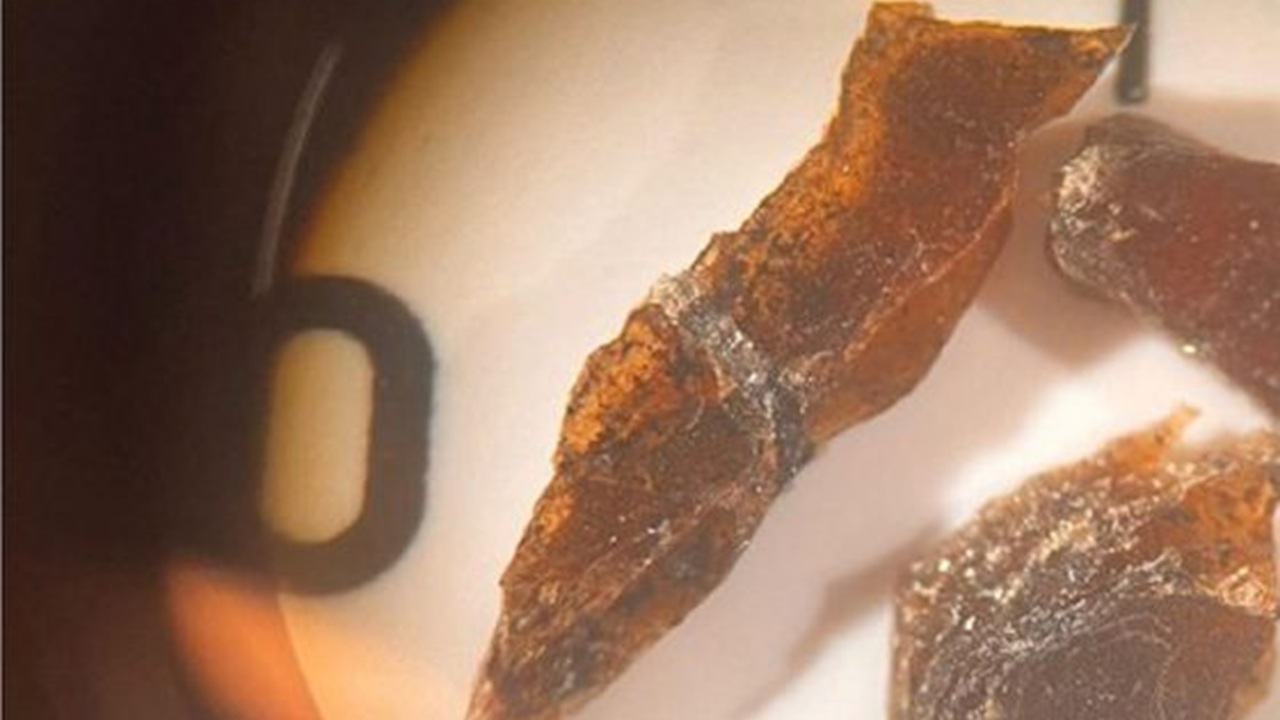
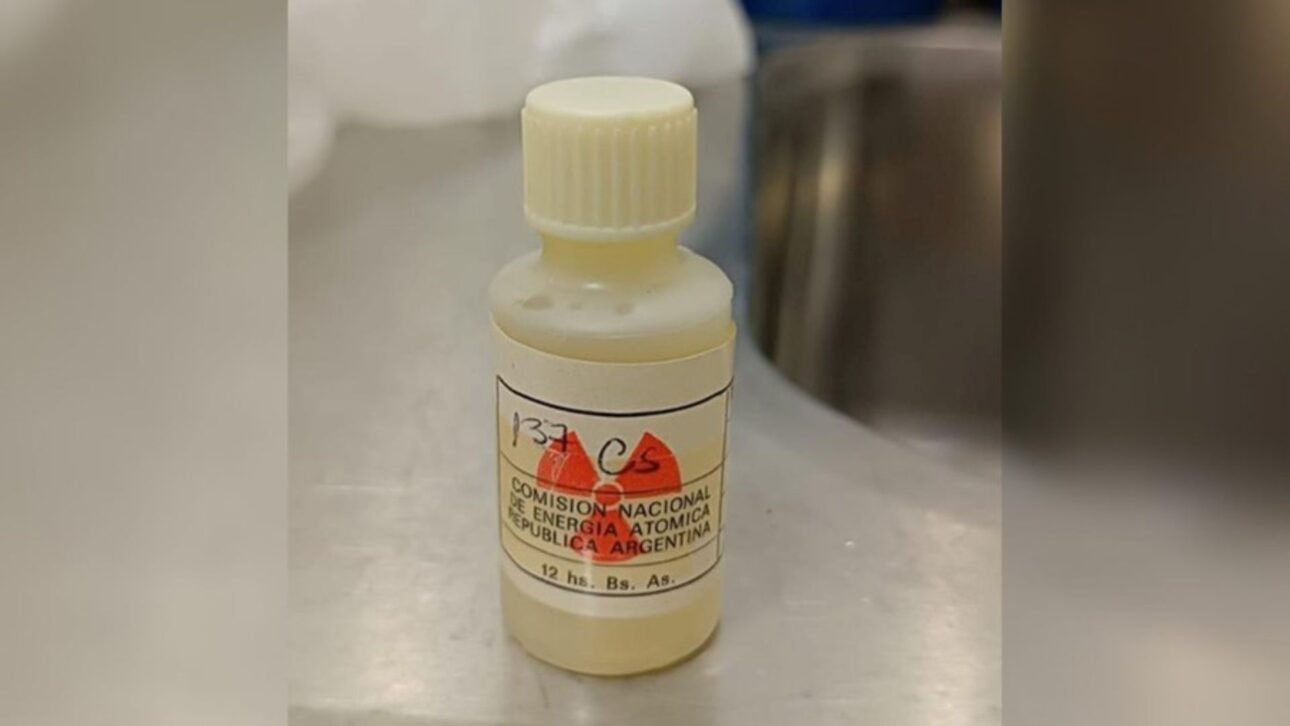
Cesium-137 calibration source
From there, the investigation proceeded on two fronts. The Argentine government issued the alert on June 16, 2026, and investigations are now trying to find out when the material disappeared and who had access to it. The origin of the theft and the whereabouts of the capsule remain open.
The authorities’ alert and the risk considered low
The authorities’ guidance is straightforward and aims to avoid any contact with the object. No one should open, transport, or handle the capsule, and if found, the recommendation is to immediately notify the Nuclear Regulatory Authority so that teams can safely remove it. In the statement, the ARN advises that,
“if you find it, do not touch or handle it”
Despite the alert, the agency classifies the current danger as reduced. The agency assesses that the radiological risk is very low, as the Cesium-137 remains sealed in lead. Shortly after being informed, the ARN activated the Radiological Emergency Intervention System and informed the Federal Emergency Agency and the radiological and nuclear risk division of the Argentine Federal Police, who passed the alert to local authorities.
What is Cesium-137 and what is it used for
Despite its negative reputation, the substance has important and controlled uses. Cesium-137 is a radioactive material produced in nuclear processes involving the splitting of atoms and, under controlled conditions, is used to calibrate devices that measure radiation.
The applications go beyond calibration laboratories. The material is also used in cancer treatments and in some industrial equipment. It was precisely to calibrate medical devices that the stolen capsule was used in the Rosario laboratory.
The risks of Cesium-137 to health and the environment
The danger arises when the material leaves the protection of the capsule. If inhaled or ingested, Cesium-137 can spread throughout the body and accumulate mainly in the muscles, increasing health damage to those exposed.
In large quantities, the effects become severe. Exposure to high doses can cause severe burns, radiation-induced illnesses, and, in the most extreme cases, lead to death and increase the risk of cancer. In the environment, the material can be carried by the wind, mix with water, and adhere to soil or surfaces like concrete, and small amounts still persist in various locations due to past nuclear tests and accidents.
The Goiânia accident in 1987
The episode in Argentina rekindles the memory of the largest urban radioactive accident ever recorded. The disappearance is reminiscent of the 1987 case in Goiânia, which marked Brazil, beginning on September 13 of that year, when two scavengers found an abandoned radiotherapy device at the former Goian Institute of Radiotherapy. Inside the equipment was a capsule of Cesium-137, which was eventually sold to Devair Alves Ferreira, owner of a scrap yard.
Ignorance of the risks turned curiosity into tragedy. Unaware of the danger, Devair and others were fascinated by the blue glow of the substance and distributed it among family and friends, who soon began to show symptoms such as nausea, dizziness, vomiting, and diarrhea. The reason was only discovered when Maria Gabriela, Devair’s wife, became suspicious of the blue powder and, on September 28, took the capsule to the Health Surveillance; the next day, authorities confirmed it was radioactive material, and thousands of people underwent examinations and decontamination, while houses were demolished, areas isolated, and tons of soil removed.
The theft of Cesium-137 in Rosario reopens, in Argentina, a fear that Brazil knows closely because of Goiânia, even though the ARN reinforces that the current radiological risk is very low and that the search for the capsule continues.
The official guidance remains the same: no one should touch or transport the found object, and authorities must be notified immediately. More than the immediate episode, the case highlights how rigorous the control of radioactive sources needs to be, so that a sealed capsule never again turns into a public tragedy.
And you, what did you think of the alert issued by Argentina and what do you still remember about the Goiânia accident? Share your opinion and exchange ideas with other readers about radiological safety, with respect for different views and the seriousness of the topic.