






 Portuguese
  Spanish





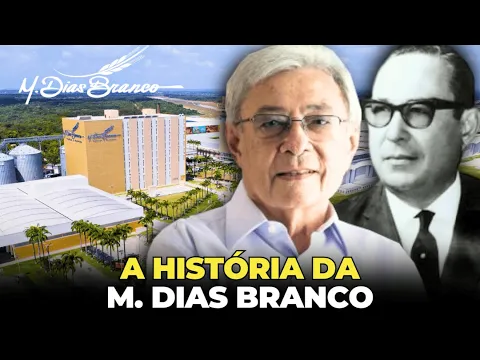
From A Family Bakery In Fortaleza, Ivens Dias Branco Built The M. Dias Branco Group, National Leader In Pasta And Cookies, With 17 Thousand Employees And Presence In More Than 40 Countries.
The Trajectory Of Ivens Dias Branco Is One Of The Most Inspiring Business Stories In Northeastern Brazil. Born In 1934, In Fortaleza (CE), He Began His Journey While Still Young, Helping His Father, Manuel Dias Branco, In A Small Bakery And Artisan Pasta Factory. The Family Business, Founded In The 1950s, Was Modest — But Ivens Would Transform That Simple Structure Into One Of The Largest Food Industry Empires In Latin America. The M. Dias Branco Group, Owner Of Brands Such As Vitarella, Adria, Fortaleza, Piraquê, And Richester, Is Today Synonymous With Leadership, Efficiency, And Industrial Expansion.
From Bakery Oven To Industrial Production Line
When He Took Over The Family Business, Ivens Saw What Few Did: The Potential To Industrialize And Professionalize The Production Of Pasta And Cookies In Brazil. In The 1960s, The Country Still Imported A Large Part Of The Raw Materials And Lacked Major National Industries In The Sector. With Vision And Boldness, He Invested In Modern Machinery, Imported Technology From Italy, And Implemented Industrial Processes That Took His Company To A New Level Of Productivity.

The Definitive Turnaround Happened In The 1970s, When The Group Started Distributing Products Beyond The Borders Of Ceará. The Expansion To The Northeast Was Fast And Consistent, Supported By A Verticalized Logistics Strategy — Which Means That The Company Started To Produce Internally A Large Part Of The Inputs And Packaging It Used. This Autonomy Reduced Costs, Increased Competitiveness, And Ensured Uniform Quality On A Large Scale, A Decisive Differential In The Food Sector.
-
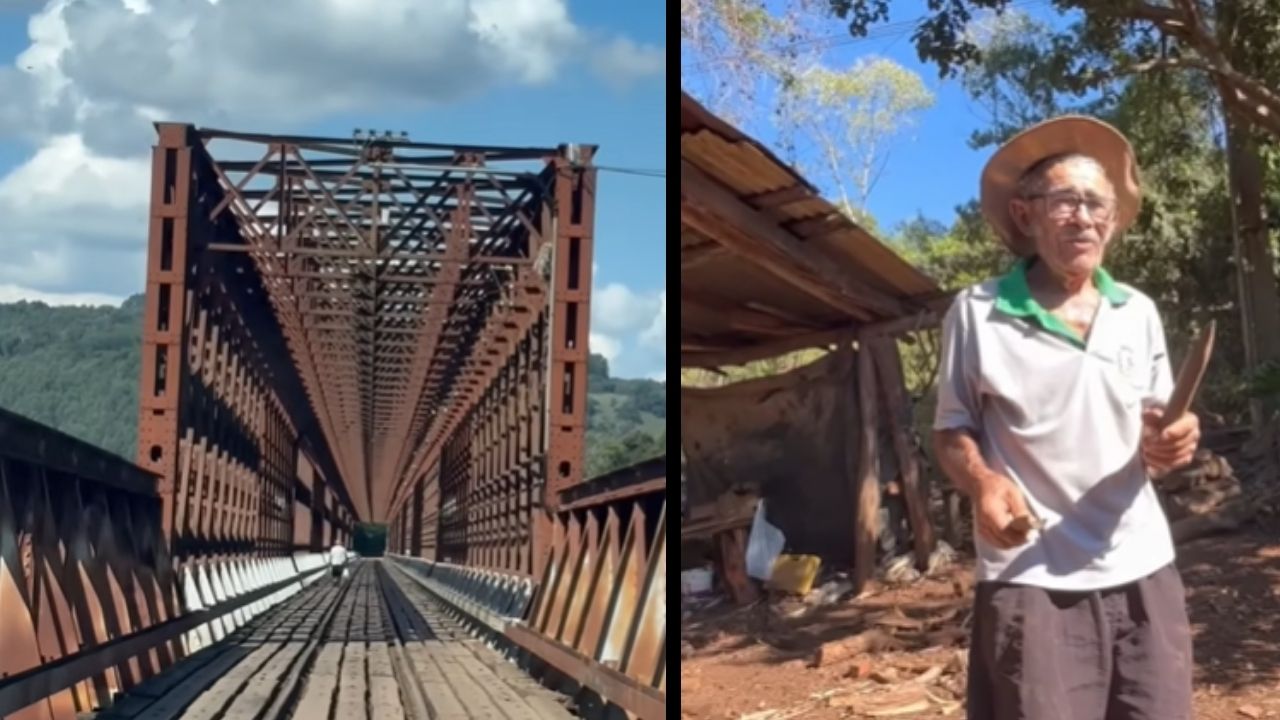
Driver Crosses 100-Year-Old Railway Bridge Over Uruguay River, Encounters Rural Couple Preserving Traditional Farming Methods

-
Rural Producer Returns to Brazilian Farmland, Builds Family Agricultural Business with Children’s Support and Industry Backing
-
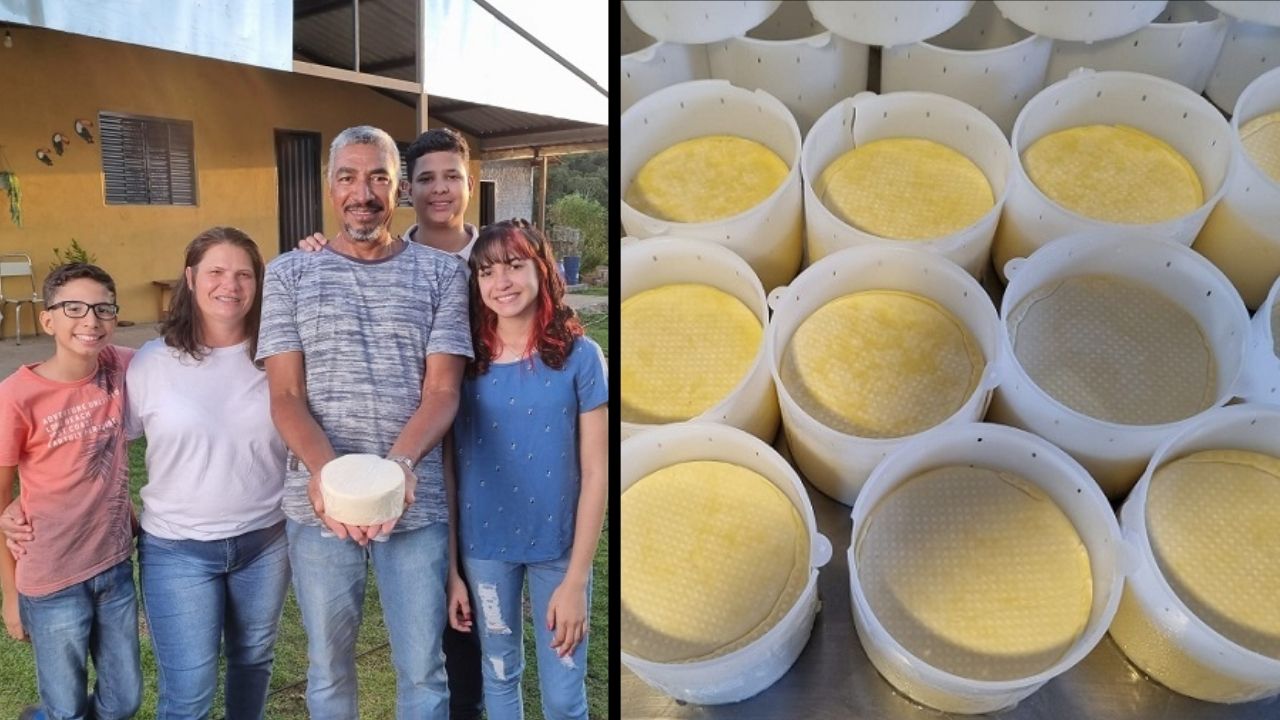
Goiás Couple Boosts Artisan Cheese Production from 25 to 70 Kilos Daily with Technical Support, Transforming Family Life in Rural Brazil
-
13-Year-Old Discovers Ancient Roman Ring Near Mount Carmel, Now Set for Display in Jerusalem


The Birth Of A National Empire
Over Time, What Was Once A Regional Bakery Transformed Into An Industrial Giant. The M. Dias Branco Group Came To Dominate The Brazilian Market For Pasta And Cookies, Controlling More Than 35% Of The Sector According To Data From The Brazilian Association Of Biscuit, Pasta And Bread Industries (ABIMAPI).
In 2003, The Company Opened One Of The Largest Food Factories In Latin America, Located In The Port Of Mucuripe, In Fortaleza — A Complex Of More Than 180 Thousand M² That Functions As A True Industrial City, With Thousands Of Employees And Production 24 Hours A Day.
Under Ivens’s Leadership, The Group Diversified Brands, Acquired Regional Competitors, And Consolidated Its National Presence. Today, M. Dias Branco Employs More Than 17 Thousand People, Operates Factories In Various States, And Exports To More Than 40 Countries, Bringing Brazilian Products To Markets In Europe, Africa, And Latin America. In 2023, The Group Reported A Net Profit Of R$ 889 Million And Gross Revenue Exceeding R$ 10 Billion, According To Official Data Released To B3.
Innovation, Self-Sufficiency, And Business Legacy
One Of The Secrets Of The Success Of The Empire Built By Ivens Was The Model Of Industrial Self-Sufficiency. He Believed That A Food Company Needed To Master The Entire Production Chain, From Wheat To The Final Product. Therefore, M. Dias Branco Invested Heavily In Its Own Mills, Private Ports, And A Transportation Fleet That Ensures Agility In National Distribution. This Integrated Structure Made The Group Practically Immune To External Cost Fluctuations And Logistical Crises.

Ivens Also Valued People Management And Family Business Culture. Even After Going Public In 2006, He Maintained The Principles Of Humility, Discipline, And Proximity To Employees. According To Reports From Executives And Former Employees, It Was Common To See Him Personally Walking The Production Lines, Talking To Workers, And Assessing Each Stage Of The Process — A Leadership That Inspired Respect And Admiration.
The Legacy That Shaped The Northeast Industry
Ivens Dias Branco Died In 2016, At The Age Of 81, But Left A Business Legacy That Transcends Numbers. He Was The First Major Industrialist From The Northeast To Prove That It Was Possible To Build A Billion-Dollar Conglomerate Outside The Rio-São Paulo Axis. Under His Vision, Ceará Became Recognized As A Hub For Food Production And Export.
Today, The Group Continues Under The Command Of His Family And Ranks Among The 100 Largest Companies In Brazil, With Shares Listed On The Stock Exchange And Projects Focused On Innovation And Sustainability. M. Dias Branco Is More Than An Industrial Giant: It Is A Symbol Of Determination, Vision, And Work That Shows How A Small Bakery Can Transform Into A Global Empire.





DEPOIS DO FALECIMENTO DO SEU IVENS ESSE GRUPO FICOU IMPOSSÍVEL DE TRABALHAR. EMPRESA QUE NÃO VISA NEM UM POUCO SEUS COLABORADORES, SOMENTE OS RESULTADOS ECONÔMICOS. NÃO INDICO PRA NIGUEM ESSE GRUPO.
Resultado disso tudo , é a péssima qualidade que se tornou os produtos digo isso , referente a finada piraque , que pra não existe mais deixei de consumir a bastante tempo , lamentável
Depois q conheci a linha Vitarella, não troco por nenhuma. Produtos crocantes q não existe em outras marcas.
Sensacional!!!