






 Portuguese
  Spanish


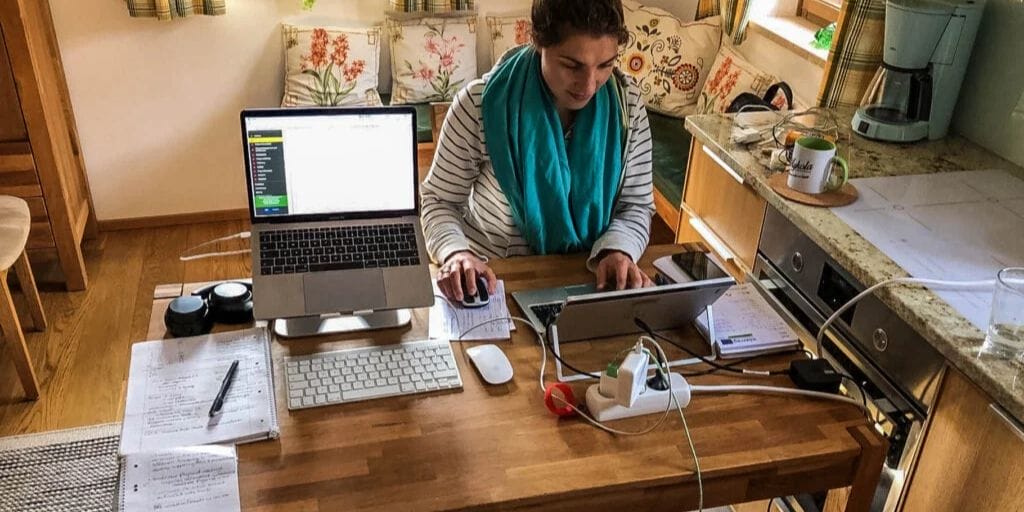

Imagine A Scenario Where You Could Have Three Days Off on the Weekend Without Reducing Your Salary. Seems Like A Dream, Right? Well, Know That This Idea Is Already Being Tested in Brazil and Could Revolutionize The Job Market!
The country was a pioneer in South America to implement a four-day work pilot, involving 19 companies and 252 employees.
The Results Are Surprising and indicate a significant increase in productivity and the quality of life of workers.
According to an exclusive survey conducted by 4 Day Week Global in partnership with Boston College, Reconnect Happiness at Work, and the São Paulo School of Business Administration from Getulio Vargas Foundation (EAESP-FGV), 97% of study participants would like to permanently adopt the reduced workweek.
-
Internship vacancies in 2026: New selection process by ArcelorMittal Tubarão offers scholarships of up to R$ 1,100 for interns and reinforces investments in talent development for the industry, connecting education, technology, and professional development on a large scale.

-
2,653 job vacancies through Sine-RO, with 419 new opportunities this week, 81 openings for apprentices, and Ji-Paraná leading the list of hires in Rondônia
-
46 job openings are available with salaries up to R$ 2,500, benefits such as meal vouchers, medical assistance, and opportunities with no experience required in Cajamar.
-
642 job openings this Wednesday: candidates need to bring original documents, resume, vaccination certificate, and pay attention to the entry rules at the posts in Manaus.


This experiment, which lasted six months, kept salaries unchanged and reduced working hours by 20%, resulting in a series of notable benefits for employees and companies.
Among the highlighted benefits, more than half of the employees reported improvements in project execution and a greater ability to meet deadlines. Furthermore, 80.7% of workers noticed an increase in creativity and innovation.
These results are accompanied by a significant improvement in mental health, with 8 out of 10 people reporting more energy to carry out their daily tasks and 46% stating they feel less burnt out at the end of the day. Moreover, 30.5% of participants reported a reduction in anxiety levels.
Renata Rivetti, director of Reconnect Happiness at Work and one of the study’s leaders, highlights that, although the results are promising, companies still need to adapt to this new reality.
“This is not just a project to cut Friday off the work calendar. It’s about redesigning the work structure, prioritizing activities, using technology more efficiently, and improving internal communication,” explains Rivetti.
One of the strategies suggested by Rivetti includes reducing the number of meetings and creating focus periods for productive work, in addition to more objective and detailed planning. These changes not only benefit the work environment, but also have positive social impacts.
According to the data, 90.1% of participants became more collaborative, 71.3% reported an increase in energy to spend time with friends and family, and 49% improved their relationship with their managers.
The survey also revealed an interesting gender breakdown: women reported being able to better balance their personal and professional responsibilities, while heterosexual men mentioned the opportunity to spend more time with family.
With 63.7% of women and 36.3% of men participating in the study, most respondents were aged 18 to 24 years, with nearly 70% having children and the majority being married.
According to Rivetti, we are at a moment of “demystifying the idea that more hours of work equate to greater productivity.”
She argues that human sustainability is crucial for sustainability in business, and that Brazil, despite still valuing workaholic behavior, is moving towards greater maturity in the discussion about work flexibility.
Despite the promising results, Rivetti points out that Brazil is still not fully prepared to adopt the four-day week on a large scale.
“The country still rewards those who work excessively. However, we are already ready to start a broader conversation about flexibility in the workplace,” she concludes.
And You, Would You Like to Have Three Days of Weekend? Do You Believe Brazil is Ready for This Change in The Work Model? Share Your Opinion in The Comments!









Sou um grande defensor da redução da jornada de trabalho, sem redução do salário. Hj a constituição Federal fala em no máximo 44 hs semanais de trabalho e na minha opinião, se não mudarmos a jornada na constituição á maioria dos empresários Brasileiros não vão abraçar essa ideia.