






 Portuguese
  Spanish
  6 min of reading
  0 comments


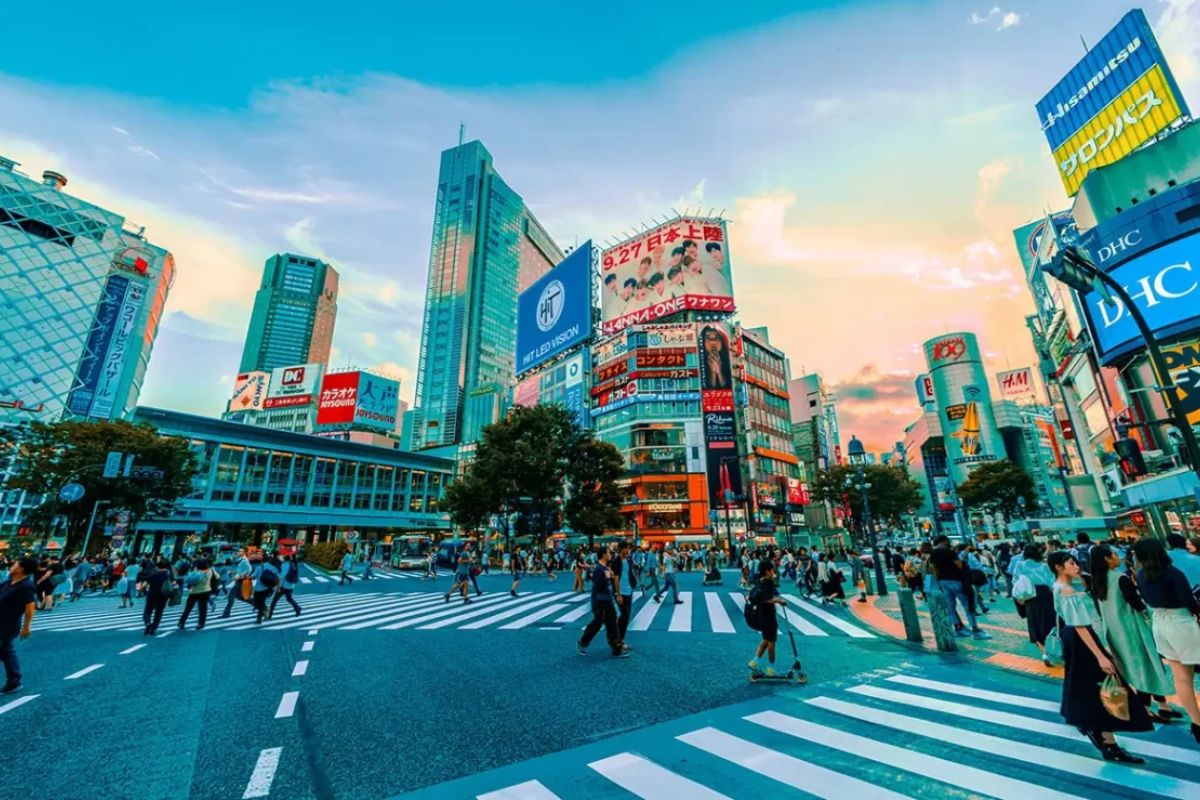
Japan removed most public trash cans after the sarin gas attack in Tokyo in 1995, but instead of dirtying the streets, it turned the absence into a social rule: each citizen carries their own trash until they find a disposal point, and the discipline starts in childhood with the collective cleaning school system.
The Japan is one of the cleanest countries in the world, and the explanation lies in a detail that confuses any foreign visitor: there are almost no trash cans on the streets. In cities like Tokyo, Osaka, and Kyoto, where millions of people circulate daily, trash simply does not appear on sidewalks, in parks, or at train stations. The absence of trash cans is not a failure of infrastructure or a resource-saving measure. It is the result of a culture of individual responsibility so ingrained that it dispenses with the presence of public containers to keep urban spaces spotless.
This reality especially surprises those coming from countries where overflowing trash cans and dirty sidewalks are part of the urban landscape. In Japan, throwing trash on the street is socially unacceptable, even when no one is watching. People carry packaging, bottles, and waste for hours until they find an appropriate disposal location, which can be at home, in convenience stores, at train stations, or at specific collection points. The cultural pressure is so strong that the absence of trash cans on the streets has not generated more litter, but less.
Why Japan removed trash cans from the streets after 1995
The drastic reduction of public trash cans in Japan gained momentum after the sarin gas attack on the Tokyo subway in 1995. After the attack, authorities removed most containers for security reasons, fearing they could be used to hide dangerous objects, as happened in the attack. The measure, initially preventive, became permanent when it became clear that Japanese society did not need trash cans to keep the streets clean.
-
Federal Police involved in the case to identify the person responsible for hacking the Civil Defense system, which sent ten false alerts, frightened residents of different capitals, and turned messages about real risks into notifications with “misanthropy” and even alien attacks.

-
Extreme drought causes ghost village to reappear at the bottom of the reservoir that supplies Athens, revealing houses, a school, and ruins swallowed since the 1980s as the lake shrinks and exposes the water crisis threatening the capital of Greece.

-
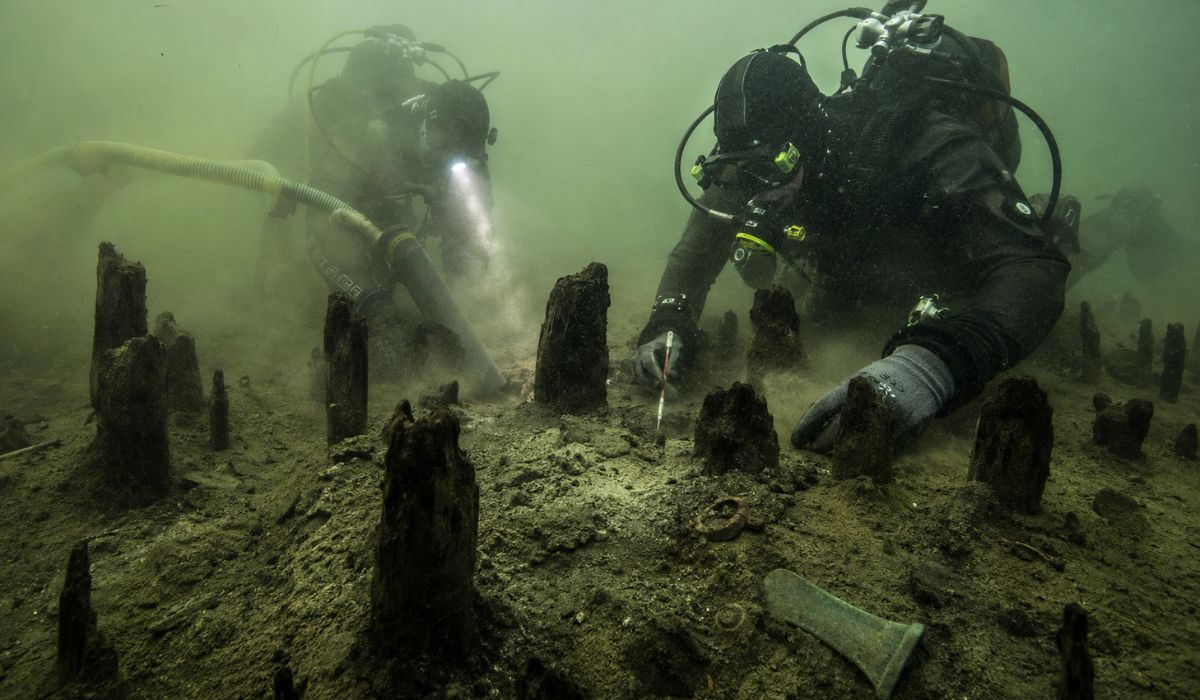
An entire village lay asleep at the bottom of a lake for 3,000 years: divers suction sediments in Italy and reveal more than 600 wooden stakes, bronze tools, and traces of a Bronze Age settlement hidden underwater.
-
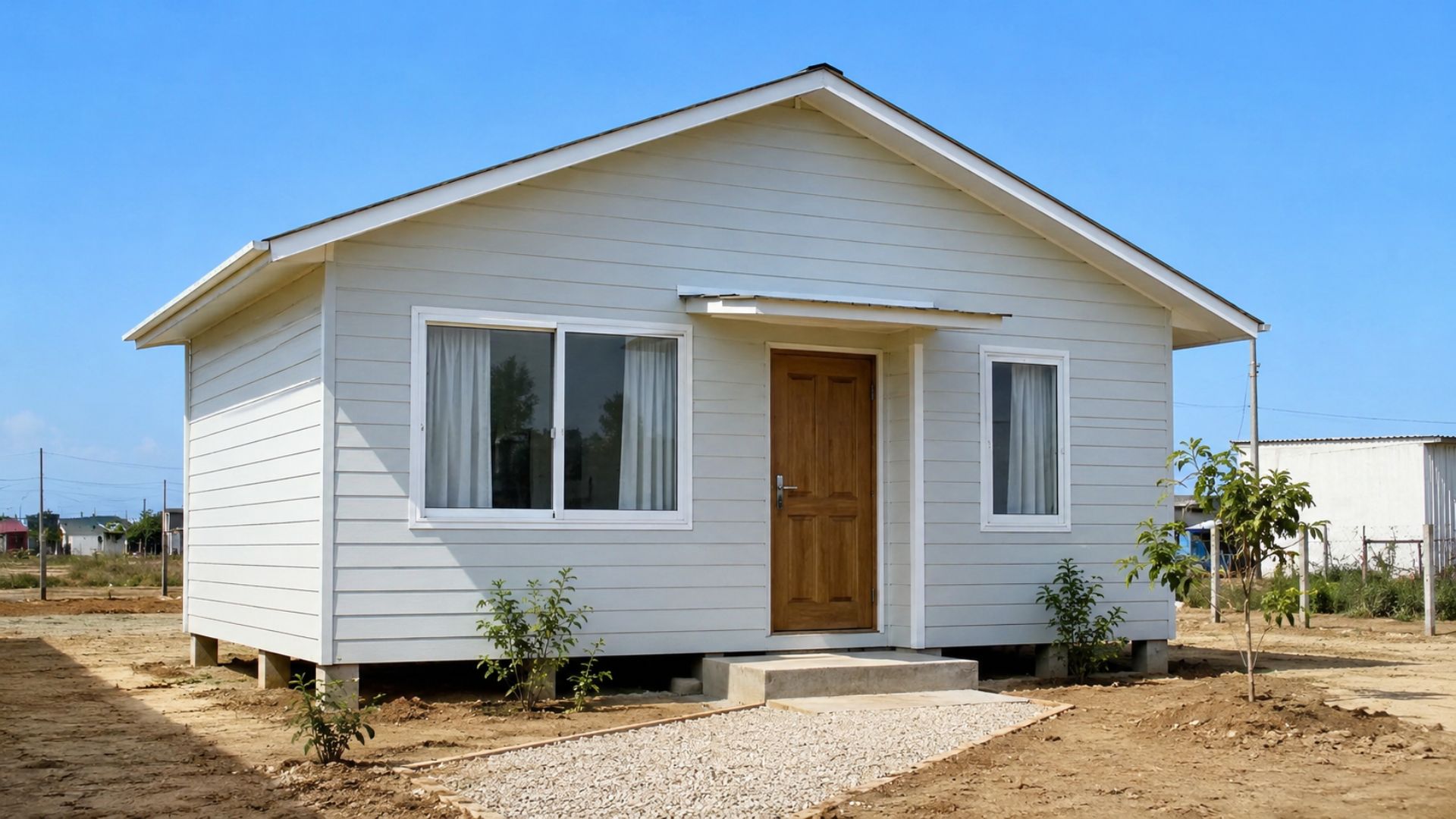
They call it the “Shopee house” and even cardboard, but the R$ 20,000 house is a certified Wood Frame from Alea, financed by Minha Casa Minha Vida: understand if it’s worth more than masonry.


Over time, the absence of trash cans ceased to be a security issue and began to reinforce a cultural practice that already existed: the idea that each person should take care of their own trash, regardless of whether or not a container is available. Even decades after the attack, the number of trash cans on Japanese streets remains limited, and urban cleanliness remains exemplary. What started as a response to a tragedy solidified as public policy sustained by collective discipline.
The education that teaches Japanese children to clean from school
The Japanese discipline regarding cleanliness does not arise spontaneously in adulthood. It starts in schools, where students participate daily in cleaning classrooms, hallways, and common areas in a system known as “souji.” There are no staff dedicated exclusively to cleaning in many Japanese schools: it is the students themselves who sweep, scrub, and organize the spaces they use, learning early on that the responsibility for the shared environment belongs to everyone.
This system teaches much more than hygiene. The souji conveys values of collective responsibility, respect for public spaces, and the discipline of understanding that cleanliness is not someone else’s task, but that of those who use the environment. Children who grow up cleaning their schools tend to maintain the same behavior in adulthood, and it is this generational continuity that explains why Japan functions without trash cans where other countries would need hundreds of them. The absence of trash cans on Japanese streets is not a problem; it is the visible consequence of a discipline that began decades earlier in the classroom.
The habit of not eating while walking and its effect on streets without trash cans
According to information from the portal Xataka, another cultural factor that contributes to Japanese urban cleanliness is the habit of avoiding eating while walking. Although it is not an official rule throughout the country, the practice is socially discouraged, and most people prefer to eat inside stores, sit in specific areas, or take food home. In a country without trash cans on the streets, this behavior makes a practical difference: fewer people eating on the go means fewer wrappers, napkins, and leftovers discarded on the sidewalks.
This social norm is not enforced by fines or oversight, but by collective observation. In Japan, eating while walking can be seen as a lack of consideration for public space, and most people simply do not do it. The result is that even in high-traffic areas, such as the Shibuya crossings or the shopping streets of Osaka, the ground remains clean. The combination of the absence of trash cans with the habit of not producing waste while in transit creates a self-perpetuating cycle: since the streets are clean, no one wants to be the first to dirty them.
When the Japanese cleaned entire stadiums during the World Cups
The Japanese behavior regarding cleanliness gained global attention during the 2018 and 2022 World Cups, when Japanese fans became known for picking up trash from the stands after matches, including games where the team had lost. The images went viral on social media and reinforced Japan’s reputation as a reference in organization and collective responsibility, generating admiration and, in some cases, embarrassment among fans from other countries.
The gesture was not planned as cultural propaganda. For the Japanese present, cleaning the space they used was simply the expected behavior, the natural extension of what they learned in schools and practice in the streets of a country without trash cans. The difference is that, in a stadium with cameras from around the world pointed at the stands, the everyday habit became viral. What was routine for the Japanese was a lesson in civility for the rest of the planet, generating millions of shares and a debate about why other cultures cannot do the same.
What the world can learn from a country that functions without trash cans
The Japanese experience raises a question that goes beyond urban cleanliness: is it possible to keep a city clean without relying on visible waste collection infrastructure, as long as a culture of individual responsibility is established? Japan suggests that it is, but with an important caveat: this culture is not built overnight. It is the product of decades of school education, social pressure, and a collective consensus that public space belongs to everyone.
For countries like Brazil, where the relationship with urban waste is radically different, the lesson is not simply to remove trash cans and expect magic to happen. The Japanese transformation began in the classroom and is sustained by social norms that took generations to consolidate. Still, the example shows that the cleanliness of a city depends less on how many trash cans exist on the streets and more on how each citizen behaves when no one is watching.
Japan has almost no trash cans on the streets and is one of the cleanest countries in the world. Do you think this model would work in Brazil? What would need to change in our culture for this to be possible? Leave your opinion in the comments.





Be the first to react!