Portuguese
  Spanish


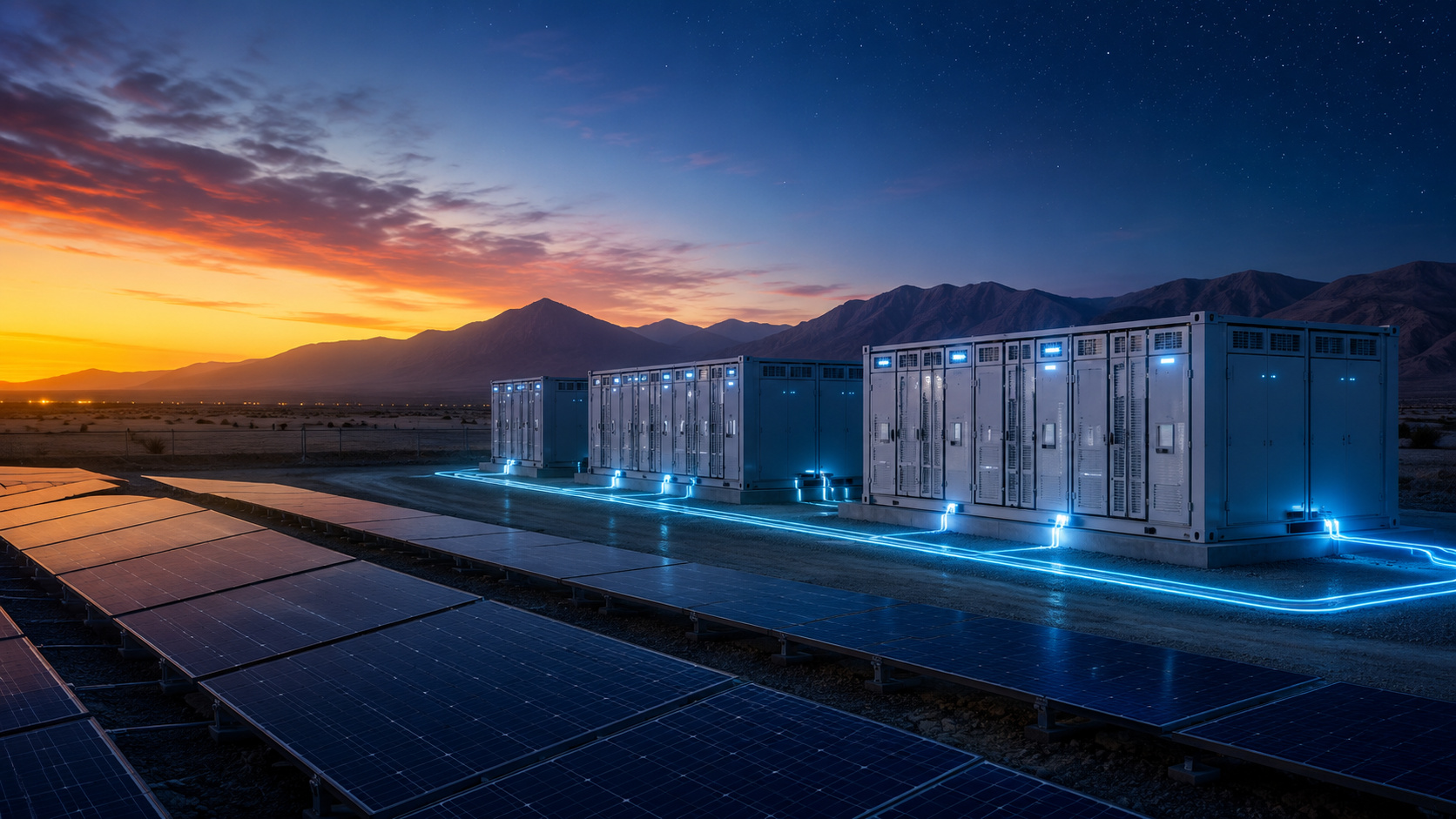
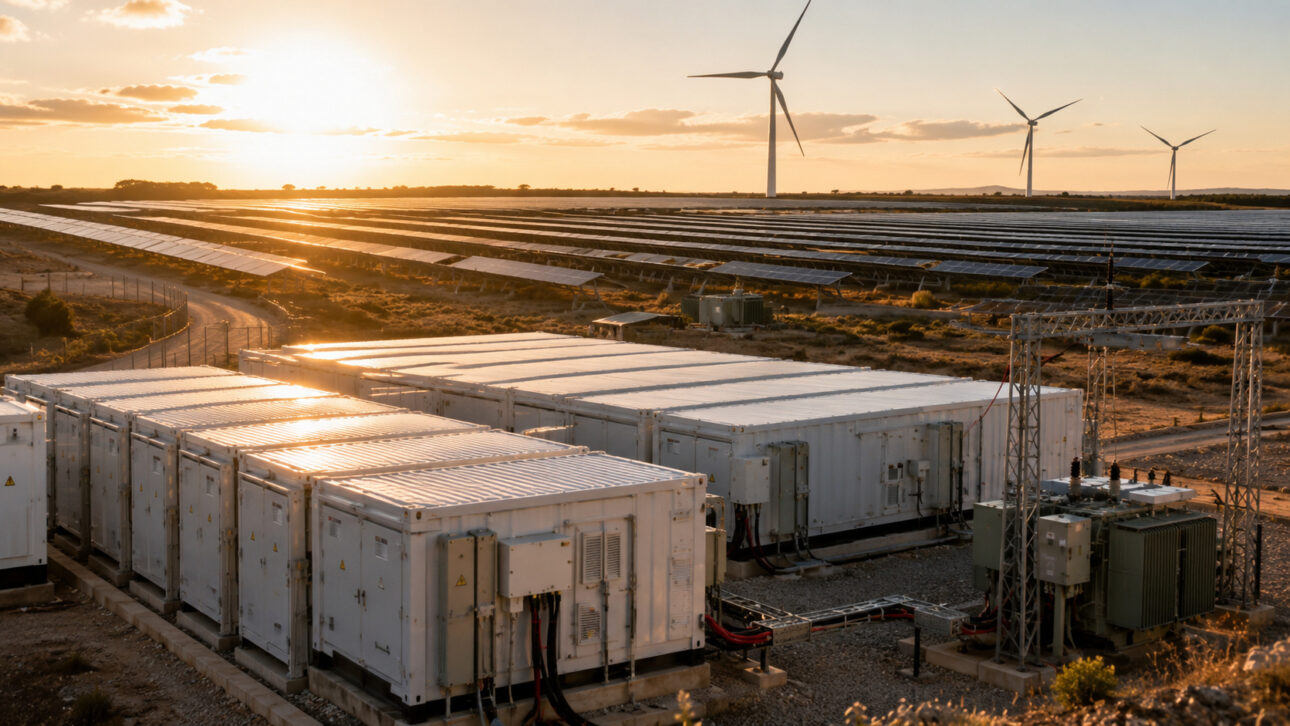
Energy storage in batteries enters the center of Engie’s strategy in Spain, where 625 MWh will be used to store the surplus of solar and wind energy. The ten-year contract prepares the delivery of electricity during peak demand times and reinforces the role of batteries in the stability of the electric grid.
Engie has signed a long-term agreement with Ignis that will give the company access, for ten years, to the flexibility of energy storage systems in batteries installed in different regions of Spain. The total planned capacity is 625 MWh, with expected operation by 2028.
In simple terms, the batteries function as electricity reservoirs. They receive part of the solar and wind energy produced during surplus times and can release this volume when consumption increases.
The information was released by ENGIE Supply & Energy Management, a global energy management and trading unit. The announcement was published on July 3, 2026, and establishes that Ignis will be responsible for the operation of the equipment.
-
Giant Batteries Take Center Stage in Chile Auction as Company Offers 960 GWh of Solar Energy for Nighttime Use, Aiming to Stabilize Solar Power Supply

-
After a Year of Success in Switzerland, Solar Railway Attracts Italy’s Interest for Clean Energy Transformation
-
Robots Clean Solar Panels in Desert Power Plants Without Water, Preventing Energy Losses
-
Brazil’s Offshore Wind Energy Potential Worth $1 Trillion Stalled by Long-Delayed Agreement



625 MWh shows how much energy the batteries will be able to store
The 625 MWh indicates the volume of electricity that can be stored in the batteries. MWh means megawatt hour, a measure used to show the amount of energy that can be stored for later use.
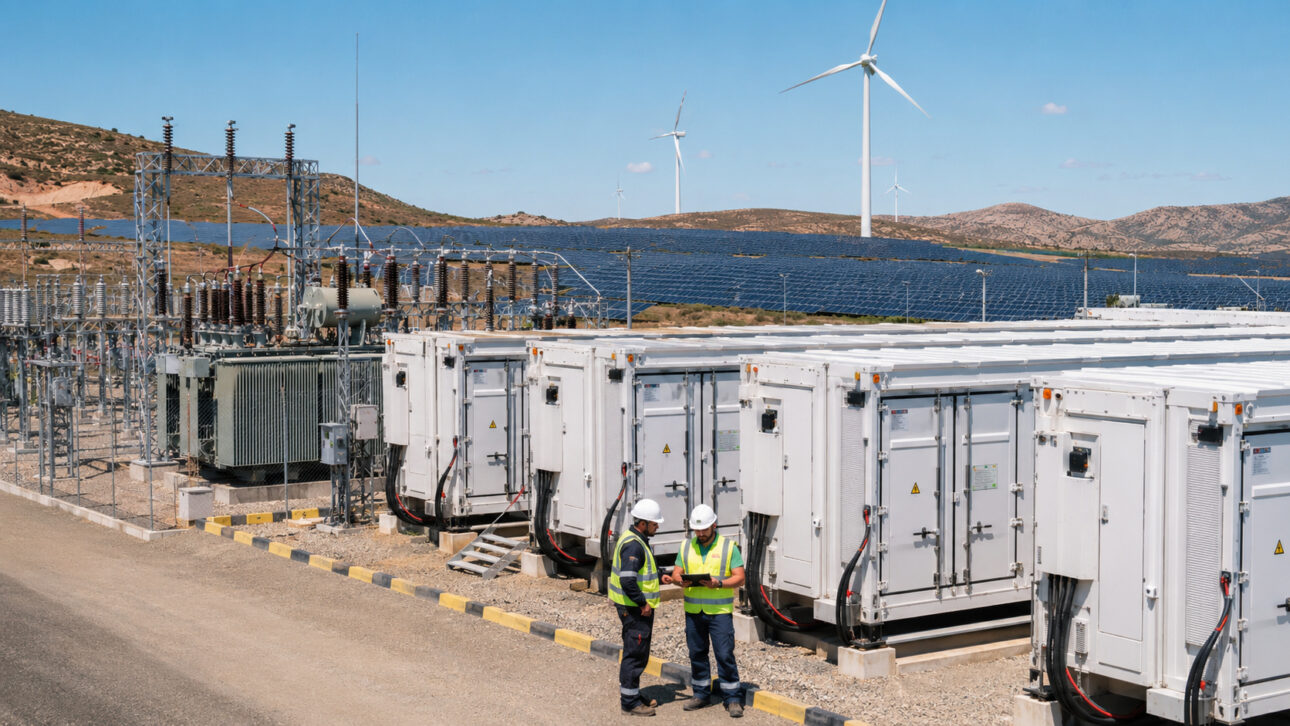
This number does not show the speed of electricity delivery. The speed is indicated by the power, which defines how much energy a battery can receive or release in a given time.
The difference is important because a battery can store a large amount of energy, but it needs to have adequate delivery capacity to help the grid during peak demand times. The agreement covers projects with 625 MWh of total installed capacity.
Ten-year contract gives Engie access to electrical flexibility
The so-called electrical flexibility is the possibility of better choosing the moment to store or release energy. This helps the grid handle rapid changes in solar and wind generation and also with increased consumption.
Engie will have access to this flexibility for ten years in the day-ahead energy market. This market organizes the purchase and sale of electricity that will be delivered the following day.
When there is a lot of sun or wind, the batteries can receive the available energy. When demand rises, the stored electricity can return to the grid, reducing the need to rely solely on production at that moment.
ENGIE Supply & Energy Management, a global energy management and trading unit, detailed that Ignis will operate the systems and seek the best use of the batteries in grid balancing services.
Battery connected to renewable park and independent battery serve different functions
A battery can be directly connected to a solar or wind park. In this case, it stores part of the energy produced in the enterprise itself when generation exceeds the need at that moment.
There are also independent batteries, connected to the electrical grid without relying on a single plant. They can receive energy from the system and deliver this volume at another time, helping to balance supply and consumption.
The difference changes the way the structure is used. The battery connected to a plant helps organize the energy of that park. The independent battery can serve the grid at times defined by electrical needs and market conditions.
Ignis already operates with independent batteries in Spain. The new agreement expands the company’s presence in energy storage and creates a long-term relationship with Engie.
Projects planned for 2028 should store surplus solar and wind energy
The systems included in the contract are not yet in operation. The forecast is that the batteries will start operating in 2028, storing electricity during periods of higher renewable generation.
Solar energy produces more during the day. Wind energy also varies according to the strength of the winds. This generation does not always occur at the same time that homes, businesses, and industries most need electricity.
Batteries do not create new energy. They change the timing of the use of already produced energy. This point can reduce renewable generation losses and provide more stability to the electrical system.
The agreement was structured to reduce exposure to energy market fluctuations and enhance the network’s response capacity during peak demand times.
Spain already has a private contract and Brazil prepares battery auction
The Spanish case involves a private contract between Engie and Ignis, aimed at batteries distributed in various regions of the country. The use of stored energy will be defined by the operation of the systems and the needs of the electricity market.
In Brazil, energy storage in batteries is advancing through another path. There is a forecast for a national auction aimed at contracting these devices in the second half of 2026, with specific rules for the Brazilian electrical system.
The Ministry of Mines and Energy, the federal body responsible for national energy policy, published the guidelines for the auction aimed at energy storage in batteries.
For the Brazilian Northeast, where solar and wind energy have a strong presence, the example of Spain helps to understand the value of batteries. Storing part of the excess electricity produced can provide more options to use this energy when the grid needs it.
Batteries gain value beyond the energy they can store
The agreement between Engie and Ignis shows that energy storage in batteries has ceased to be just a support structure. The ability to store electricity and use this volume at the best time is gaining its own value for companies and the electrical grid.
With a planned capacity of 625 MWh and expected operation by 2028, the batteries could help better utilize renewable production in Spain over the coming years.
In your opinion, can storing excess solar and wind energy in batteries reduce waste and strengthen the Brazilian electrical grid? Leave your view in the comments and share this publication.