Portuguese
  Spanish


Cat Robots Are Being Used As Waiters In Japan, Improving Customer Experience And Optimizing Service In Restaurants
In the heart of Tokyo, a new trend is captivating restaurants and customers. Cat-shaped robots glide between tables, balancing trays and announcing deliveries with a cheerful “Meow.” This phenomenon, far from being science fiction, reflects a shift in Japan’s service sector.
These cat robots have been deployed by Skylark Holdings Co., the largest table-service restaurant chain in the country. The company already has around 3,000 of these machines to assist employees.
But this is not an isolated initiative. Other companies are also investing in automatons to address the labor shortage.
-
AI Data Centers Now Feature Built-In Nuclear Power Plants and Have Ordered Non-Existent Reactors

-
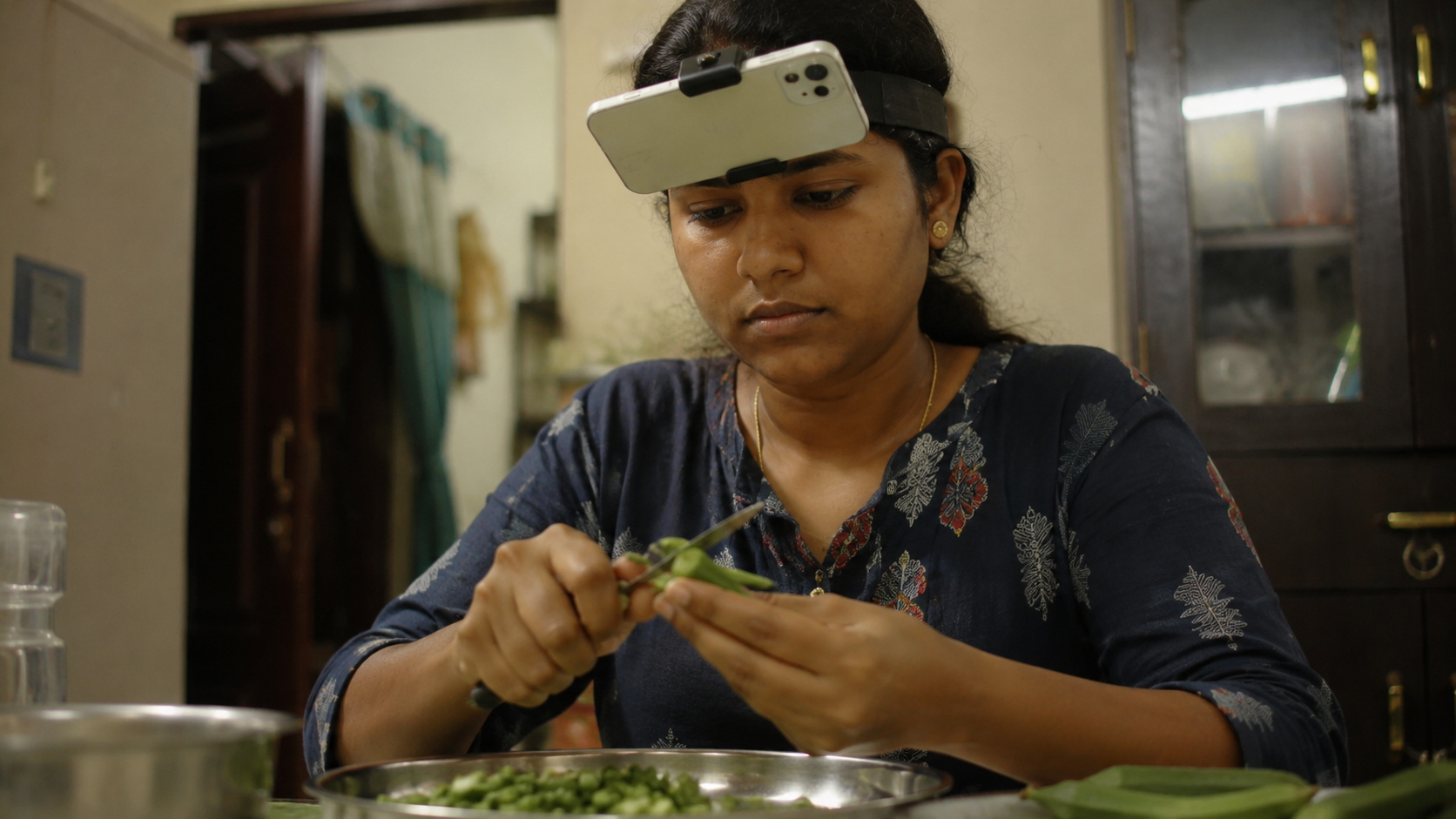
In India, thousands earn about $2.50 an hour cooking and cleaning with a phone strapped to their heads, as every move is recorded to train humanoid robots for jobs they might one day replace.

-
Nuclear Fusion Study Proposes Transforming Mercury into Gold Using Tokamak Neutrons, but Real-World Application Remains Uncertain
-
Brazilian Researchers Develop Floor Tiles That Convert Student Footsteps into Electricity to Reduce University Energy Costs




Demographics And Labor Shortage
Japan faces a chronic demographic problem. According to the Recruit Works Institute, the country is expected to have a deficit of 11 million workers by 2040. Government projections indicate that, by 2065, 40% of the population will be 65 years or older.
With few young people entering the labor market and a strict immigration policy, companies are seeking alternatives.
Service robots have emerged as a solution. Once seen as mere curiosities, they are now essential. They work alongside humans, helping restaurants maintain efficient service.
They also allow companies to employ older or foreign workers, who might struggle with the pace or language.
Robot Market Growth
The service robot market in Japan is expanding. Research firm Fuji Keizai estimates that by 2030, the industry will be worth over ¥400 billion (about US$ 2.7 billion). This growth is driven by the need for labor and technological advancements.
The robots are equipped with 3D sensors, allowing them to navigate crowded spaces while carrying heavy dishes. Their friendly design pleases customers, but their biggest advantage is operational: they work without breaks or salaries.
Robots In Healthcare And Elderly Care
Beyond restaurants, automation is gaining ground in another area: elderly care. As the population ages, the demand for caregivers increases. However, the sector faces a severe shortage of professionals. In December 2024, there was only one candidate for every 4.25 available positions in nursing.
Robots are helping to fill this gap. They are used in nursing homes to monitor patients, assist with mobility, and perform repetitive tasks. In some facilities, they lead stretching sessions and act as sleep monitors, alerting staff to changes in vital signs.
Advancements In AI
Among the most advanced is AIREC, a humanoid robot created by Waseda University. Powered by artificial intelligence, it can help patients roll over in bed, sit up, and put on socks.
The project receives government funding and is led by Professor Shigeki Sugano. “Given our aging and highly advanced society and the declining birthrate, we will need support from robots for medical and elderly care, and in our daily lives,” he told Reuters.
At the Zenkoukai institution in Tokyo, robots are already part of the routine. Healthcare professionals believe that more sophisticated robotic assistants can enhance care, provided they respect the individual needs of patients.
“If we have AI-equipped robots that can understand the living conditions and personal characteristics of each care recipient, there may be a future for them to provide nursing care directly,” said Takaki Ito, a caregiver at Zenkoukai.
However, he issued a warning, “I don’t think robots can understand everything about nursing care. Robots and humans working together to improve nursing care is a future I hope for.“
Public Acceptance
For this revolution to continue, public acceptance is essential. If people reject robotic service, companies will need to reconsider their investments.
Japan serves as a global testing ground for automation. Unlike other countries, where robots raise concerns about job loss, the Japanese have a more positive relationship with technology. From anime to real robots, popular culture has helped normalize their presence in daily life.
This cultural factor facilitates the transition of robots into the workforce. In restaurants, they are seen as allies to waiters, reducing their workload. In nursing homes, they are considered a necessary solution. For automation to expand to other countries, a change in perception about the role of robots in society may be required.
With information from ZME Science.