Portuguese
  Spanish


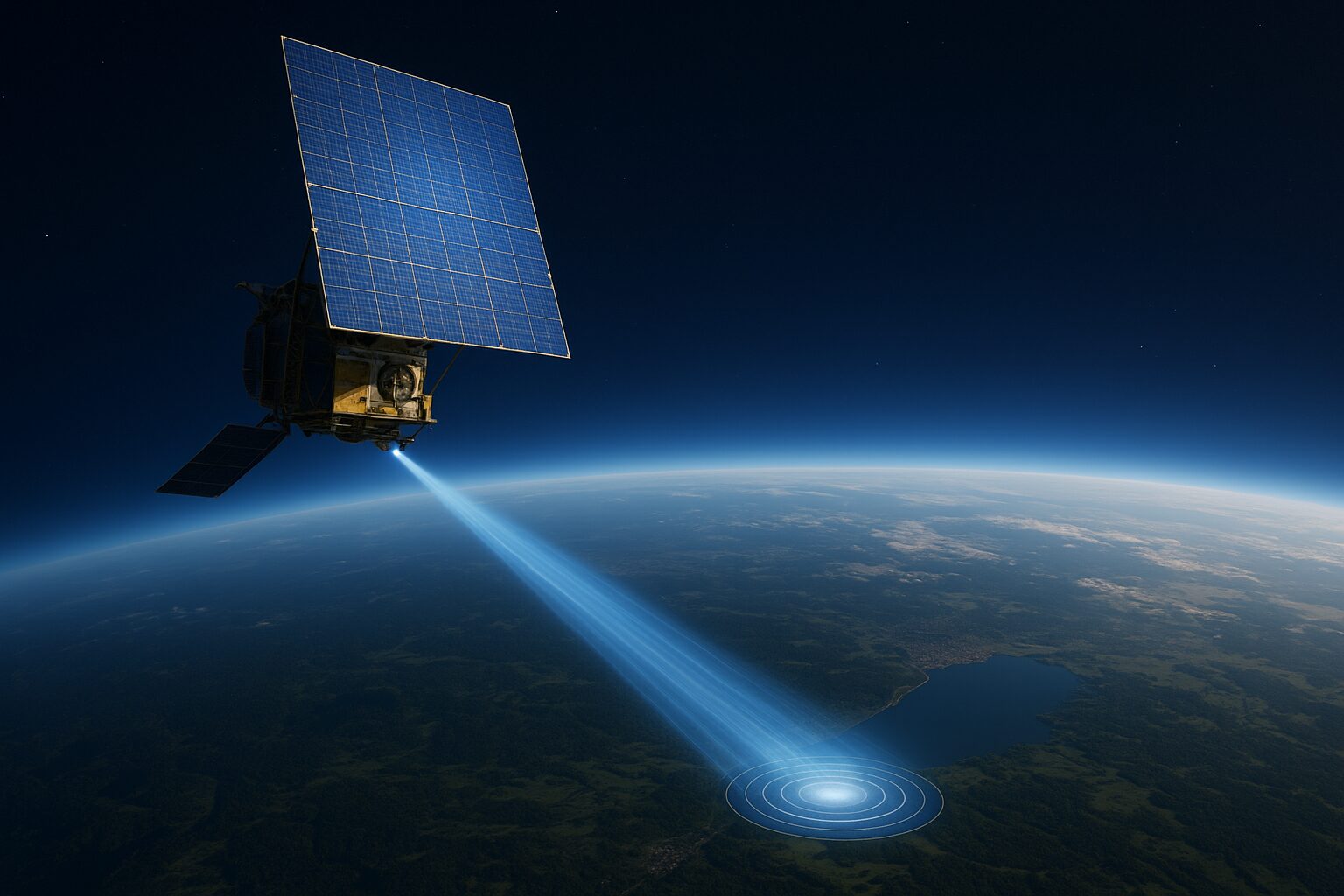

The OHISAMA Satellite, to Be Launched by Japan in 2025, Will Test Solar Energy Transmission from Space to Earth Antennas Using Microwaves — An Unique Experiment That Could Transform the Future of Renewable Electricity
The Japan has announced an important step towards the future of clean energy. The country will launch, still in 2025, an experimental satellite called OHISAMA, which will test the transmission of solar energy from space to Earth.
The satellite will be located about 400 kilometers above the Earth and will have a solar panel measuring two square meters. This panel will capture sunlight and convert it into microwaves.
Then, these microwaves will be sent to the city of Suwa. On the ground, special antennas will receive the signal and convert it back into electricity.
-
Solar Chimney in Spain Harnessed Sun to Generate Electricity for 7 Years Without Burning Fuel

-
Solar energy reaches 55 GW, becoming the second largest power source in Brazil’s energy mix

-
Solar energy can increase property value by up to 10% and become a selling point.
-
Solar and wind energy surpass natural gas for the first time in the world and accelerate energy revolution




The project is still in its initial phase. The amount of energy transmitted will be small. Even so, the scientists involved believe that the experience could pave the way for a new type of electric generation.
The main advantage would be the ability to capture solar energy continuously, even at night or on cloudy days.
The initiative is considered an important advancement in the search for sustainable solutions. Wireless technology for energy transmission could be a viable option in the future, reducing dependence on fossil fuels and expanding the use of renewable sources. The experiment with the OHISAMA satellite will be a crucial first test in this direction.
With information from MSN.