Portuguese
  Spanish



Japan Is Investing in a New Electromagnetic Railgun and Promises to Innovate in the Weapons Sector. Equipment Successfully Fired 120 Rounds During Tests.
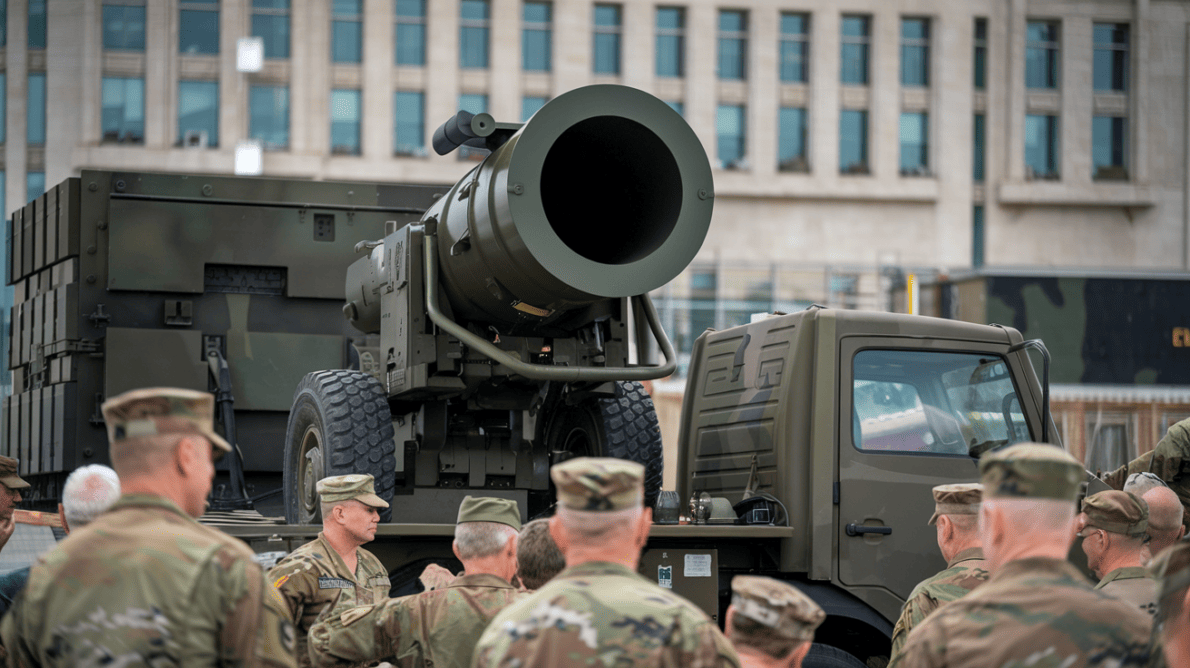
Japan has started testing a variant of the new electromagnetic railgun aboard the experimental ship JS Asuka (ASE-6102), according to images shared on X on April 9, 2025. The weapon, designed with an angular shape, appears to be a significant advancement over the system tested for the first time in March 2023, developed by the Japan Acquisition, Technology and Logistics Agency (ATLA).
New Electromagnetic Railgun Has Been Studied for Over 15 Years
The JS Asuka, launched in 1994, is a unique vessel in the fleet of the Japan Maritime Self-Defense Force (JMSDF), used solely as a testing platform.
The ship is 151 meters long and has a displacement of 6,200 tons, having served as a base for experiments with radars, propulsion systems, missiles, and torpedoes for nearly 30 years. Its history includes tests of the OQQ-XX sonar, the FCS-3 radar, and the COGLAG hybrid propulsion, in addition to contributions in response to natural disasters.
-
U.S. Navy’s Ticonderoga-class Cruiser Becomes a 9,800-Ton Missile Fortress with Advanced Aegis System Capable of Tracking Hundreds of Targets

-
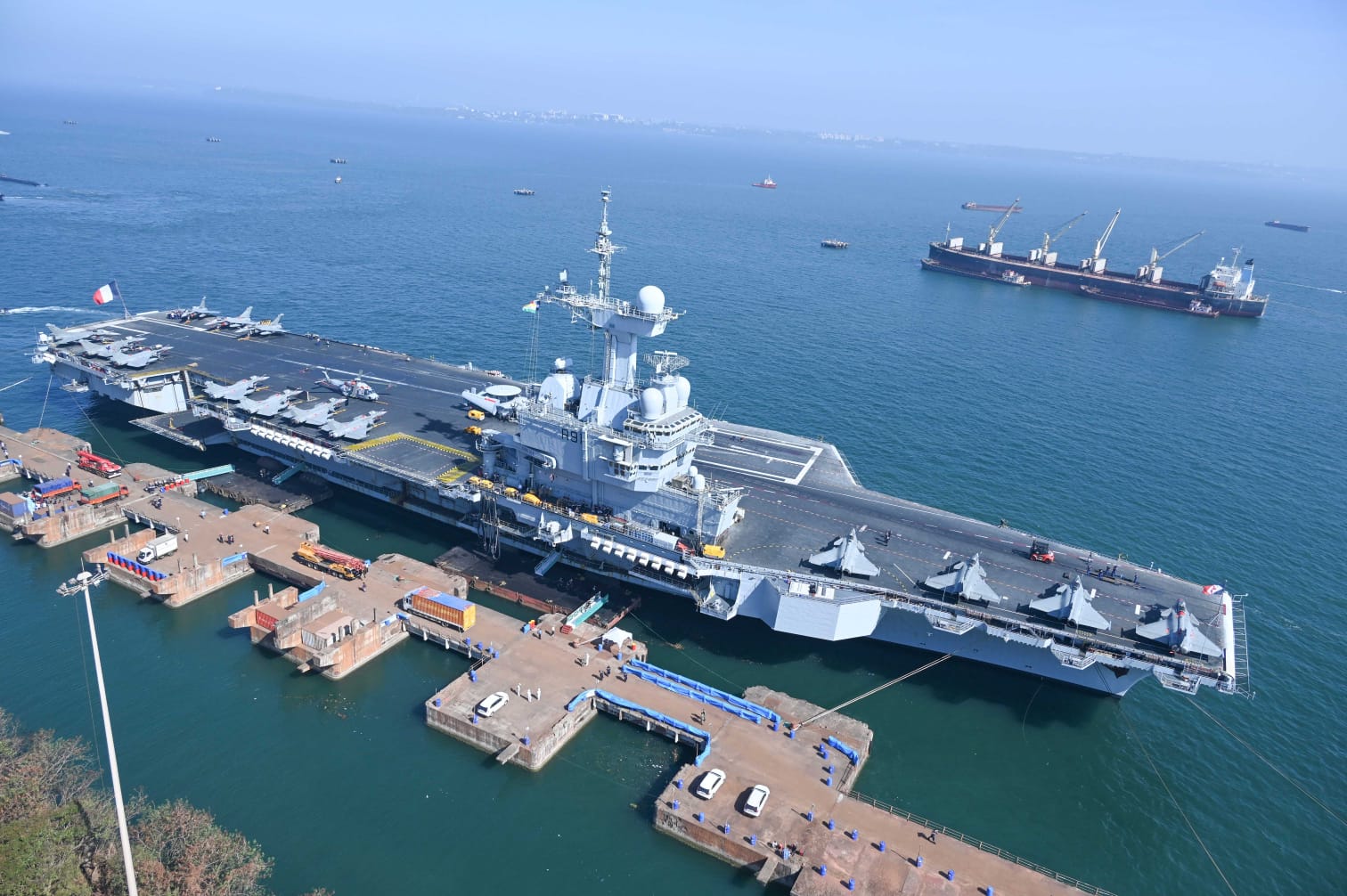
France’s Charles de Gaulle: The Sole Nuclear-Powered Aircraft Carrier Outside the US, Weighing 42,500 Tons and Equipped with Two Atomic Reactors

-
The military spaceplane that almost took the Cold War into orbit: Boeing X-20 Dyna-Soar was designed to re-enter above Mach 20, fly for up to 40 hours, land like a plane, and transform Titan rockets into a gateway to a new era of orbital warfare.
-
FAB bets on national drones and increases investments to strengthen the Brazilian aerospace industry





The Asuka is equipped with a hangar for H-60 helicopters and space for towed sonar equipment, frequently modified to accommodate technologies. In 2022, it took part in the test of the A-SAM anti-air missile, currently known as Type 23, and in recent years has been optimized for tests of the VDS+TASS sonar from the Mogami-class frigate.
The project for the new Japanese electromagnetic railgun began with research in the 2010s and evolved into the development of a 40 mm model.
In 2022, the system achieved speeds surpassing 2,000 m/s and successfully fired 120 rounds. In October 2023, the first sea firing test of the equipment was conducted, with a 6-meter long and 8-ton model installed on the ship.
Discover How the Test Conducted by Japan Went

The test used two types of projectiles weighing 320 grams and featured a power supply system composed of four containers, including a bank of capacitors with a capacity of 5 megajoules. In the released images, the extensive cabling and the robust assembly of the system present on the ship can be noted.
Japan has also been closing contracts with international partners in the development of electromagnetic weapons. An engineer from ATLA was assigned to a research center of the United States Navy between 2023 and 2024, and in May of the same year, Tokyo signed a cooperation agreement with France and Germany for data exchanges and possible joint projects.
The new electromagnetic railgun is part of Japan’s strategy to develop interception capabilities against hypersonic threats. The Ministry of Defense’s plans include prototypes of small-caliber naval versions by 2027 and medium-caliber models for land and shipboard use by 2028, with miniaturization of the power system expected to start in 2030.
Learn What an Electromagnetic Railgun Is
Electromagnetic railguns utilize electromagnetism to fire projectiles at very high speeds. In fact, this type of instrument has a centuries-old history. The first design of this kind was made in 1918 by the Frenchman Louis Octave Fauchon-Villeplee and had obviously military objectives.
This first prototype of an electric cannon consisted of two parallel conductive rods connected by the wings of a projectile. The entire device was then completely surrounded by a magnetic field.
Over the years, this idea has been revisited numerous times, for example, during World War II, it was explored by the German Joachim Hansler to conceive an electric anti-aircraft gun. Even today, this type of technology continues to be explored almost exclusively by the armed forces of various countries.