






 Portuguese
  Spanish


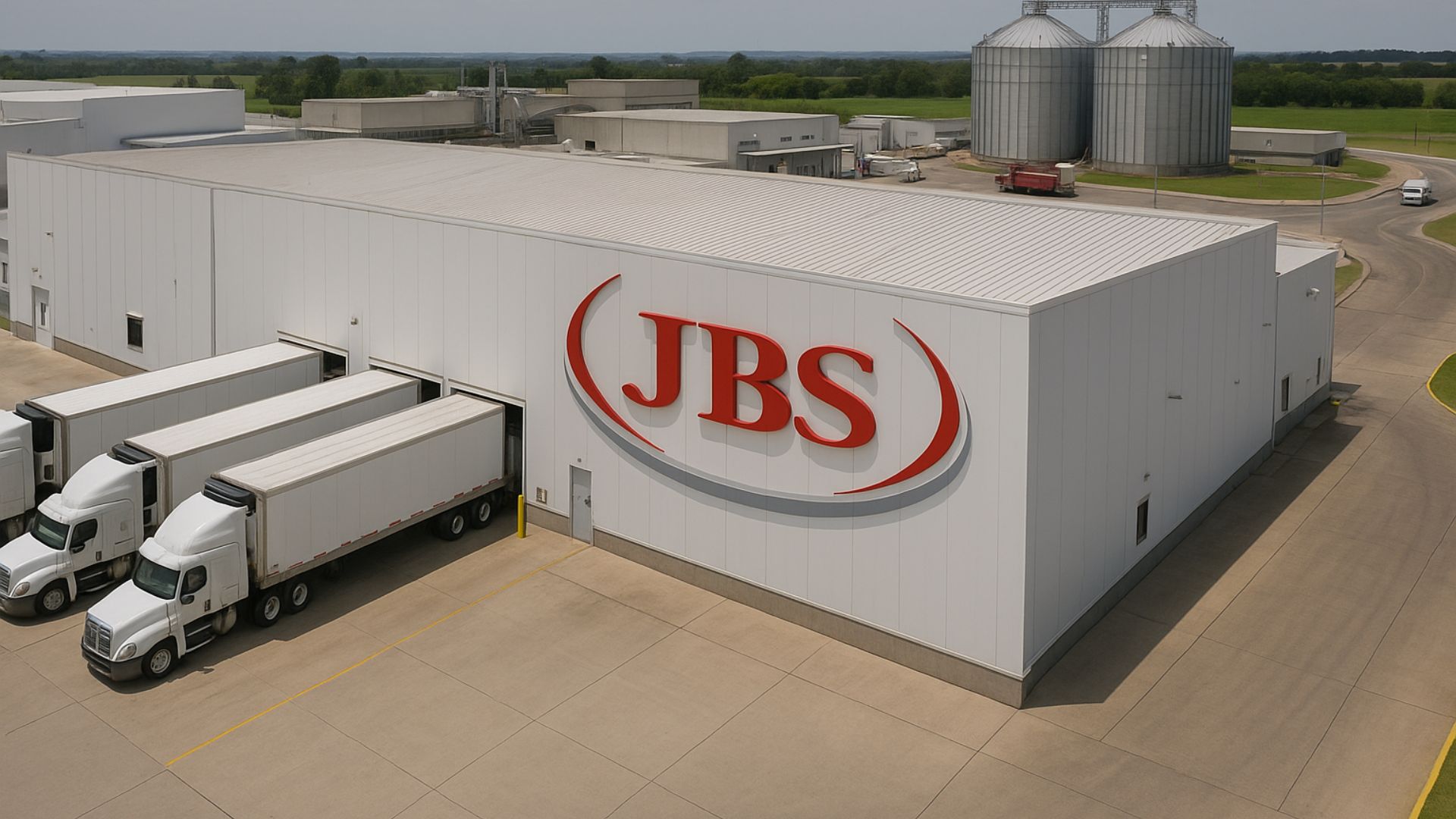


JBS Economic Boost Gains Highlight With Leadership in Wealth Distribution and Income Generation in the Country.
JBS leads, among Brazilian publicly traded companies, both in the volume of salaries and charges paid to employees and in the distribution of wealth to suppliers, according to a study by the Getulio Vargas Foundation (FGV) commissioned by the Brazilian Association of Publicly Held Companies (Abrasca).
According to data for 2024, the company directed over R$ 327 billion to its production chain and exceeded R$ 53 billion in payroll expenses, consolidating itself as one of the main economic engines in the country.
Wealth Distribution According to FGV Study
The survey “The Relevance of Publicly Held Companies in the Brazilian Economy – Creating Prosperity for Brazil” was released in December 2025 and analyzed 270 publicly listed companies, after applying technical and economic filters to an initial universe of 372 companies.
-
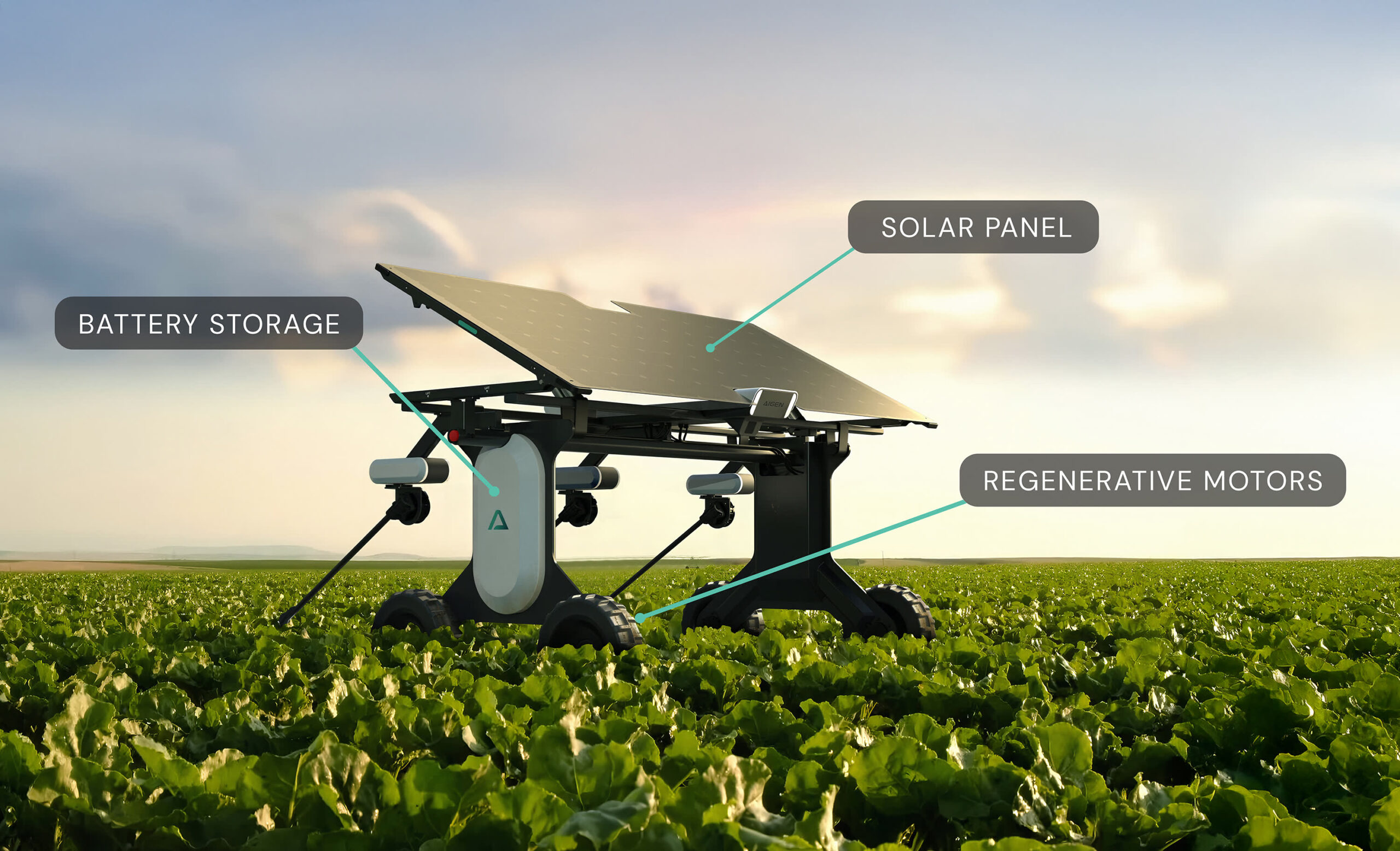
Solar-powered agricultural robots operate 24/7, remove weeds with 8mm precision, and aim to cut herbicide use without fuel consumption in the fields.

-
Brazilian Farmer Invents Low-Cost Tractor Using Motorcycle Parts, Efficiently Working 2 Acres on 1 Liter of Diesel

-
Regenerative Farmers Use Keyline Plow to Improve Pasture Hydration, Storing 1 Gallon of Water Every 30 Centimeters

-
Bicolor Pumpkin Resembling Hand-Painted Art Discovered by Brazilian Researchers in the Capital Due to “Spontaneous Mutation”




The focus was the Value Added Statement (VAS), a document that shows how each company generates and distributes wealth through payments for labor, payments to suppliers, and taxes.
To allow for more balanced comparisons, FGV structured its own taxonomy, dividing companies into 14 economic sectors and producing “Top 15” rankings for each analytical axis.
The approach seeks to highlight the role of publicly traded companies in generating income, employment, and revenue collection, at a time when the discussion of tax reform and competitiveness is gaining strength in the country.
JBS Leadership Among Suppliers and Personnel
In the pillar dedicated to suppliers, JBS ranks first, with R$ 327 billion directed to the value chain in 2024.
According to the analysis, this volume reflects the company’s integrated operation model, which connects thousands of grain producers, livestock breeders, and suppliers of various inputs, as well as packaging, logistics, equipment, and industrial services companies.
Also in the personnel axis, which measures value generation through labor, JBS occupies the first position.
The study indicates that the company allocated over R$ 53 billion to salaries, benefits, and labor charges in 2024, evidencing a high demand for labor, especially in industrial, logistical, and administrative operations.
When looking at the ranking that consolidates wealth distributed to society as a whole – adding suppliers, personnel, and taxes – JBS ranks second among all evaluated companies.
The result reinforces the multinational’s weight in the overall economy, especially in sectors related to the food industry and agribusiness.
Economic Influence in the Regions Where the Company Operates
For JBS’s global CEO, Gilberto Tomazoni, the data collected by FGV shows how the company’s presence translates into economic activity in the municipalities where it operates.
According to him, the company’s operations help to energize local economies and expand opportunities in over 130 Brazilian cities where JBS has units.
In the executive’s assessment, the value chain coordinated by the company directly connects rural production to millions of consumers both inside and outside the country.
This flow, he states, generates income, strengthens suppliers, and highlights the weight of the food segment as a vector for the expansion of the Brazilian economy.
Tomazoni also relates the study’s findings to the company’s institutional mission.
The CEO emphasizes that JBS seeks to feed the world with sustainable, high-quality products while maintaining a simultaneous commitment to customers, suppliers, shareholders, and employees.
General Data on Brazilian Publicly Held Companies
FGV’s report also shows the collective role of the analyzed publicly held companies.
In 2024, the 270 companies included in the sample directly employed around 2.8 million people in the country and allocated approximately R$ 475.3 billion to salaries, benefits, and social security contributions.
From a fiscal standpoint, the group transferred R$ 639.6 billion in taxes, including federal, state, and municipal taxes.
This amount accounted for 23% of all Brazilian corporate tax revenue in 2024, highlighting the relevance of these companies in supporting public finances.
The total value added by the listed companies reached R$ 2.1 trillion in 2024, equivalent to 17.9% of the country’s Gross Domestic Product (GDP), according to the study.
FGV emphasizes that publicly traded companies tend to concentrate good governance practices and greater productivity, factors that enhance their contribution to economic development.
Global Structure and Portfolio of JBS
As a global leader in food, JBS operates with a diversified portfolio that includes chicken, pork, beef, lamb, fish, and plant proteins.
The company employs more than 280,000 people worldwide and operates in over 20 countries, including Brazil, the United States, Canada, the United Kingdom, Australia, and China.
It serves consumers in around 180 countries through its brands.
Among the global and regional brands are Friboi, Seara, Swift, Pilgrim’s Pride, Moy Park, Primo, and Just Bare, among others.
The company also invests in related businesses, such as leather, biodiesel, collagen, fertilizers, waste management solutions, and transportation, aligned with a circular economy strategy described in its institutional materials.
Operations and Jobs Generated by JBS in São Paulo
In the state of São Paulo, JBS maintains one of its main operational bases in the country.
According to information released by the company itself, the firm generates more than 35,000 direct jobs in the state.
Operations are spread across 136 cities in the state and include 28 factories, 3 feedlots, 3 farms, six hatcheries, 9 distribution centers, and six operations by JBS Transportadora, in addition to more than 600 Swift stores in physical and retail formats.
This structure connects agricultural production, industry, and commerce, moving different links in the production chain, from the field to the final consumer.
In this context, the company’s operations in São Paulo are presented as relevant not only for generating direct job positions but also for stimulating contracted services, logistics, transportation, commerce, and provision of inputs.
This scenario aligns with the “economic engine” picture suggested by the FGV study when evaluating the distribution of wealth by large publicly held companies.
With such significant numbers and national impact, what priorities should guide companies of this size in the pursuit of economic and social development?




Me parece que só JBS tem esse potencial, num país onde o governo cuida muito bem dos amigos, deixando o país de lado para cuidar do próprio interesse desconsiderando o pagador de impostos, sem amigos sem governo sem nada .
Utilizar essa força para incentivar o país a se desenvolver, mas aí lembro que essa grandiosidade vem justamente de colaborar com governos que impedem o país de ser grande, desenvolvido, eficiente.
Para de mentir