Portuguese
  Spanish


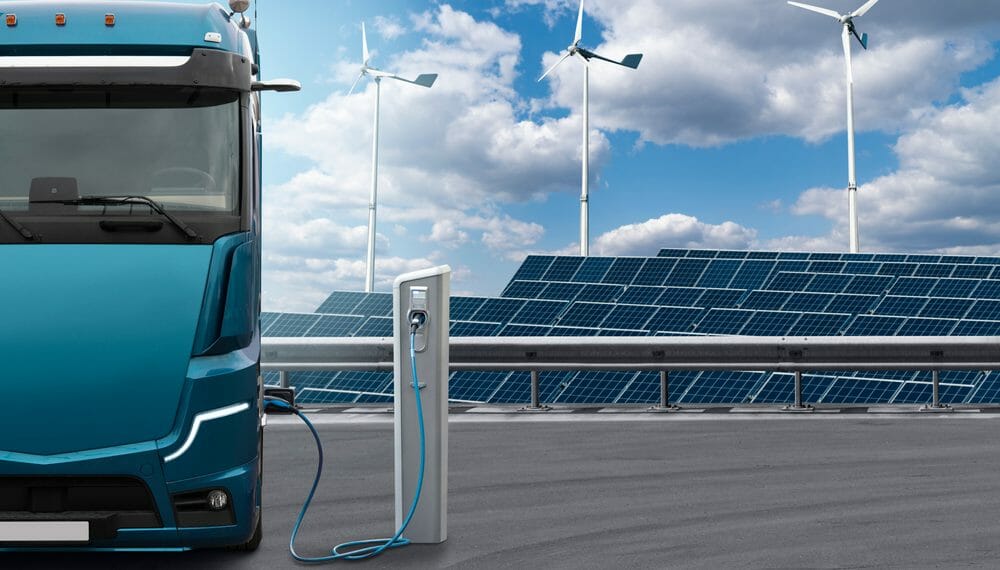

The Union Will Expand Infrastructure for No Carbon’s Electric Trucks, An Emerging Segment of Food Giant JBS
No Carbon, JBS’s arm dedicated to the rental of exclusively electric trucks, has formed a strategic partnership with EZVolt, a pioneer in electromobility solutions from the Vibra Energias portfolio. This agreement, aimed at increasing the charging network, has already resulted in the installation of more than 100 chargers in one quarter, with a forecast to reach 130 by the end of the year. Until now, EZVolt has already established presence in 11 JBS distribution centers spread across ten Brazilian states, further consolidating the relationship already established with Vibra in the B2B segment.
No Carbon’s Electric Journey
Since its inauguration in 2022, No Carbon, an extension of JBS New Businesses, operates with a fleet of 260 refrigerated trucks that exclusively use electric energy. These trucks are vital for the distribution of recognized brands such as Friboi, Seara, and Swift, ensuring efficient deliveries in urban areas of Brazil. “We are committed to enhancing our low-carbon logistics solutions, and this expansion in the charging network is a fundamental step in this process,” emphasizes Armando Volpe, commercial director of No Carbon.
-
1983 Chevrolet Runs Over 100,000 km Without Gasoline, Powered by Wood Chips, Reaches 125 km/h in Airport Test

-
Workshop Converts Giant Tractor Tire Tricycle into a Three-Wheel Drive Hybrid with 36,000-Watt Electric Motor Capable of Climbing Hills

-
Chery Offers Lifetime Battery Warranty and Car Replacement for Major Failures Under New Chinese Regulations
-
Sales of Brazil’s Cheapest Electric Car Halted Before First Deliveries: E-Motors Suspends Emova Easy Due to Import Tax Increase and Rising Freight Costs




To support No Carbon‘s electric trucks, EZVolt has established charging points in strategic centers, including locations in states such as Rio de Janeiro, Santa Catarina, and São Paulo. Additionally, the fleet benefits from ultra-fast charging hubs, capable of revitalizing a battery in up to 60 minutes, a crucial option for emergency needs.
Environmental and Operational Commitment in Focus
No Carbon’s journey has already covered approximately 3.4 million kilometers since its launch, equivalent to more than 80 circumnavigations of the Earth. This journey translates into significant savings, avoiding the emission of 2,000 tons of CO2 thanks to the substitution of fossil fuels. This, in turn, is comparable to planting more than 270,000 trees, underscoring JBS‘ commitment to more sustainable practices.
The agreement between JBS and EZVolt follows the “charge as a service” model, where EZVolt takes the lead in all phases, from feasibility studies to equipment implementation. Additionally, all JBS‘s charging hubs are constantly monitored, ensuring reliable operation.
Gustavo Tannure, CEO of EZVolt, concludes: “Our decision to heavily invest in charging infrastructure demonstrates our commitment to a culture where companies seek quality service instead of isolated and independent attempts to operationalize such tasks.”
Source: FSB Comunicação.