






 Portuguese
  Spanish


Leveraging A Loophole In Return Procedures, A Scammer Managed To Commit Fraud For Months Before Being Discovered — And Arrested
In 2019, a 22-year-old Spanish man managed to pull off a strange scam against Amazon and pocket € 330,000 (approximately R$ 2.139 million) before being caught. The scheme, although clever, exploited a loophole in the company’s procedures at the time.
How The Scam Worked
The method exploited a simple flaw. When a customer requested a return within the 30-day window, Amazon only checked the weight of the returned package. If the weight matched the item sent, the refund was authorized without opening the contents.
The young man realized this and began purchasing various products on the site. After receiving them, he would request a refund. But instead of returning the original item, he filled the box with dirt. The important part was that the weight was exactly the same as the purchased product.
-
Entrepreneur Who Started at 13 Delivering Flyers by Bike in São Paulo Now Runs a 4,000 m² Culinary Complex in Brazil

-
In China, Workers Use VR Goggles and Body Sensors to Train Humanoid Robots for Tasks Like Folding Clothes and Stocking Stores
-
12-Year-Old Math Prodigy from Brazil Wins Two Gold Medals and Aims for Elite IMPA Tech
-
Magnet Weighing Over 360 Kilograms, Designed for Cardiac Surgery Machine and Valued at $100,000, Retrieves Sawed-Off Shotgun with Scratched Serial Number from Sea During Magnetic Fishing


Amazon received the package, confirmed the weight, and released the amount. The fraud went unnoticed.
Greed Accelerated The Fall
The plan could have remained discreet. However, the scammer overdid it. Instead of acting cautiously, he began to repeat the process frequently and in large volumes.
In addition, he started reselling the fraudulently acquired products through his own website.
This unusual activity drew the attention of Amazon’s internal systems. The distribution platform located in Barcelona decided to investigate.
The End Of The Scam: Discovery And Arrest
With suspicion raised, Amazon began to open the returned packages from that specific customer. The surprise came quickly: instead of products, they found kilos of dirt in the packages.
The scheme was uncovered, and the young man was eventually convicted. He served prison time due to the fraud.
Changes In The Company’s Processes
The case gained attention and raised criticism about Amazon’s return methods, especially in Europe. The company has since changed its practices.
Today, returned products are no longer discarded without verification. Many are resold as refurbished items.
Others, when they cannot be reused commercially, are donated to institutions.
After the scandal, filling a box with dirt stopped being an effective trick — and became a direct path to big problems.
With information from Xataka.
Do You Love Strange Things? Check This Out: It’s Neither Rectangular Nor Square, And Has Strange Symbols: This Is The Weirdest Flag In The World — And You Will Agree
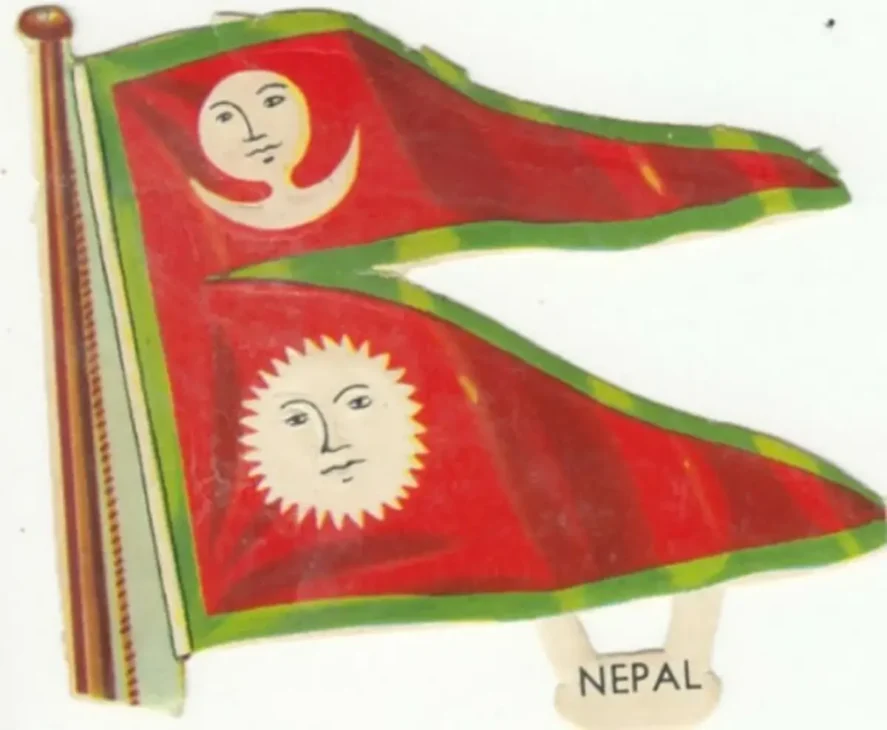
The majority of national flags in the world follow a well-defined pattern: rectangular or, in a few cases, square. But there is one striking exception. The flag of Nepal is the only one that does not conform to this format.
Consisting of two overlapping triangles, it features a red color with blue borders and two white symbols representing the Sun and the Moon. Its design draws attention and carries a long history behind it.
Triangles With History
The design of the Nepalese flag is unique and has a double triangular shape. The upper triangle features a half-moon with a small sun. The lower triangle displays a larger sun with twelve rays. Both emblems are white.
The red background represents the bravery of the people and the national flower of the country: the rhododendron. The blue borders are part of Nepal’s visual tradition, used in many local decorations.
The flag’s distinct shape makes it considered, by scholars, the most unusual among national flags. It is also one of the shortest, with a ratio of 5:4.
The two triangles represent more than a simple design. They symbolize the union of the two main dynasties of Nepal: Shah and Rana.
The Shah dynasty was responsible for the Kingdom of Gorkha, the basis for the unification of the country. The Ranas ruled Nepal between 1846 and 1951, with the Shah monarchs acting as symbolic figures.
The last king of the Shah dynasty in Gorkha, Prithvi Narayan Shah, was the visionary behind the model that would later become the official flag of Nepal. His goal was to unite the different kingdoms under a single symbol.
The Nepalese flag draws inspiration from ancient symbols, including those from Hindu mythology. One reference appears in an illustration from the epic Mahabharata. In it, Krishna, accompanied by Arjuna, is depicted on a chariot adorned with a flag similar to that of Nepal.
This flag appears as a visual element of war, signaling lineages and spiritual traditions. The use of celestial bodies (Sun and Moon) reinforces this symbolic and mystical sense.
Survivor Among The Himalayan Kingdoms
Before British domination in South Asia, there were dozens of independent kingdoms with their own flags. These flags used colors and shapes that today would be considered unconventional.
With the rise of the British Empire, most of these standards disappeared. Many were replaced or abandoned after India’s independence in 1947. Nepal, however, remained a sovereign kingdom and kept its traditional flag.
Changes In The Design
Originally, the solar and lunar emblems of the flag had human expressions. They were depicted with eyes, mouth, and nose. The symbolism referred to the snow-capped peaks of the Himalayas and the plains of the south of the country, as well as representing the quest for longevity — like that of the Sun and Moon.
In 1962, Nepal underwent a constitutional reform. King Mahendra led the formation of a new government. It was during this time that the human features were removed from the celestial bodies to modernize the national symbol. However, the overall structure of the flag was maintained.
A Symbol That Resists
While most countries standardized their flags for easier identification on ships and at international events, Nepal maintained its unique shape. Local tradition overcame the need to conform to the European model of rectangular flags.
The triangular pennant remains, to this day, a reflection of the millennial past and the spiritual roots of the country. The flag of Nepal continues to be one of the greatest symbols of national identity and cultural resistance in the face of geopolitical changes in Asia.
The flag of Nepal is more than a different shape. It represents centuries of history, mythology, tradition, and autonomy. And it continues, to this day, as the only national flag in the world that is not rectangular.
With information from Revista Fórum.


A página de vcs tem tanta propaganda que é impossível ler as matérias!