






 Portuguese
  Spanish


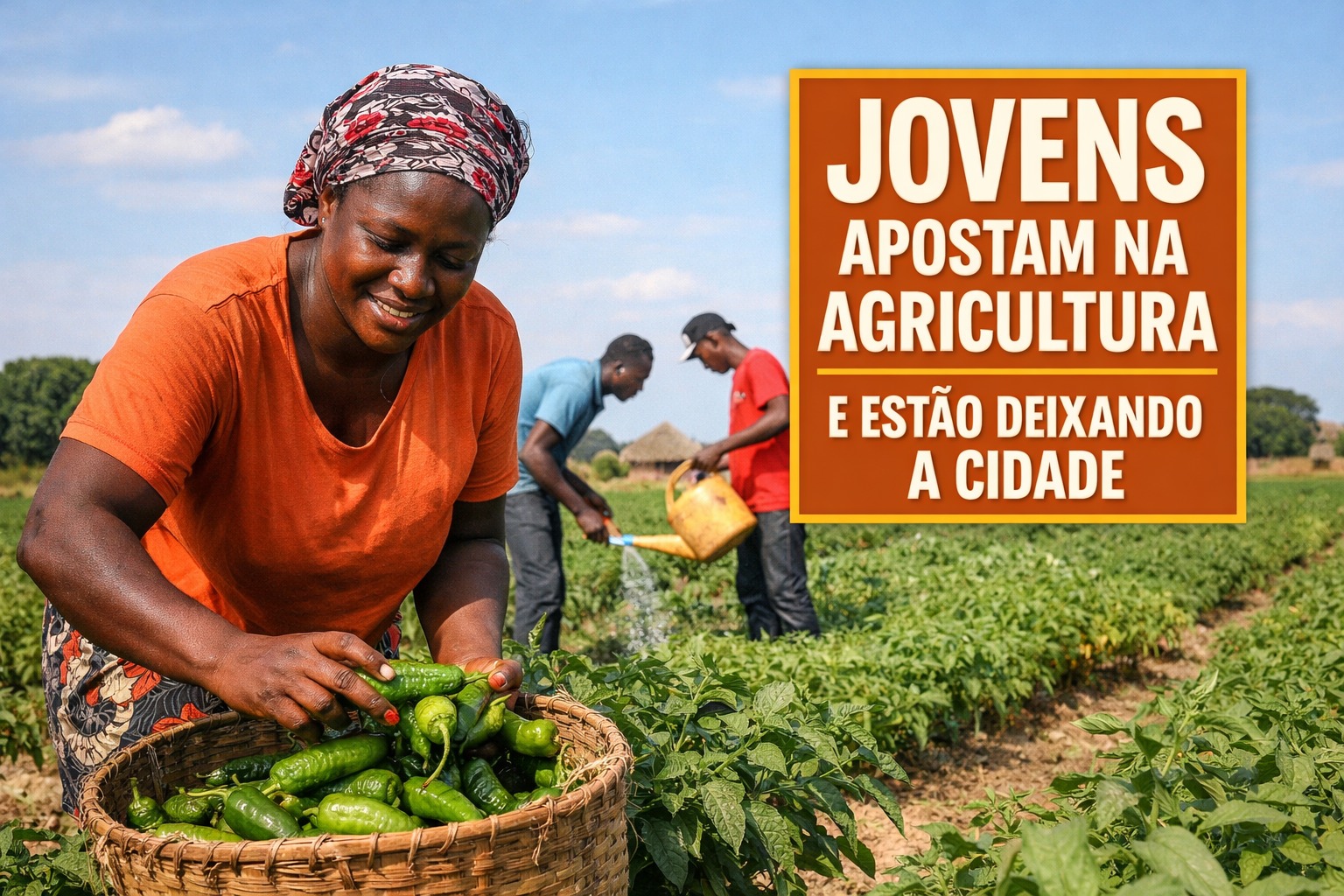


Return of Young People to the Field in Senegal Reveals Economic Change, with Agricultural Income Above the National Average, Institutional Support, Accelerated Urbanization, Unemployment, and Agriculture Emerging as an Alternative to Irregular Migration
On a scorching afternoon in Senegal, farmer Filly Mangassa, 33, returned to the field after a decade in Dakar, beginning to earn around 2 million CFA francs per year, in a move that illustrates how agriculture starts to retain young people in the face of urban unemployment.
Return to the Field After Urban Frustration and Academic Training
Ten years ago, Mangassa left her village for Dakar, seeking a teaching career, but faced a high cost of living, few job openings, and insufficient salaries.
Frustration grew after COVID, when companies reduced hiring and prices rose, making it unfeasible to stay in the capital even with a master’s degree in criminology.
-
Producer receives news and had to cull almost the entire herd, bounced back with the help of compensation, and is now producing 450 liters of milk per day in SC.

-
Quail Eggs Reveal a “Secret Code” on Their Shells Explaining Unique Patterns and Colors

-
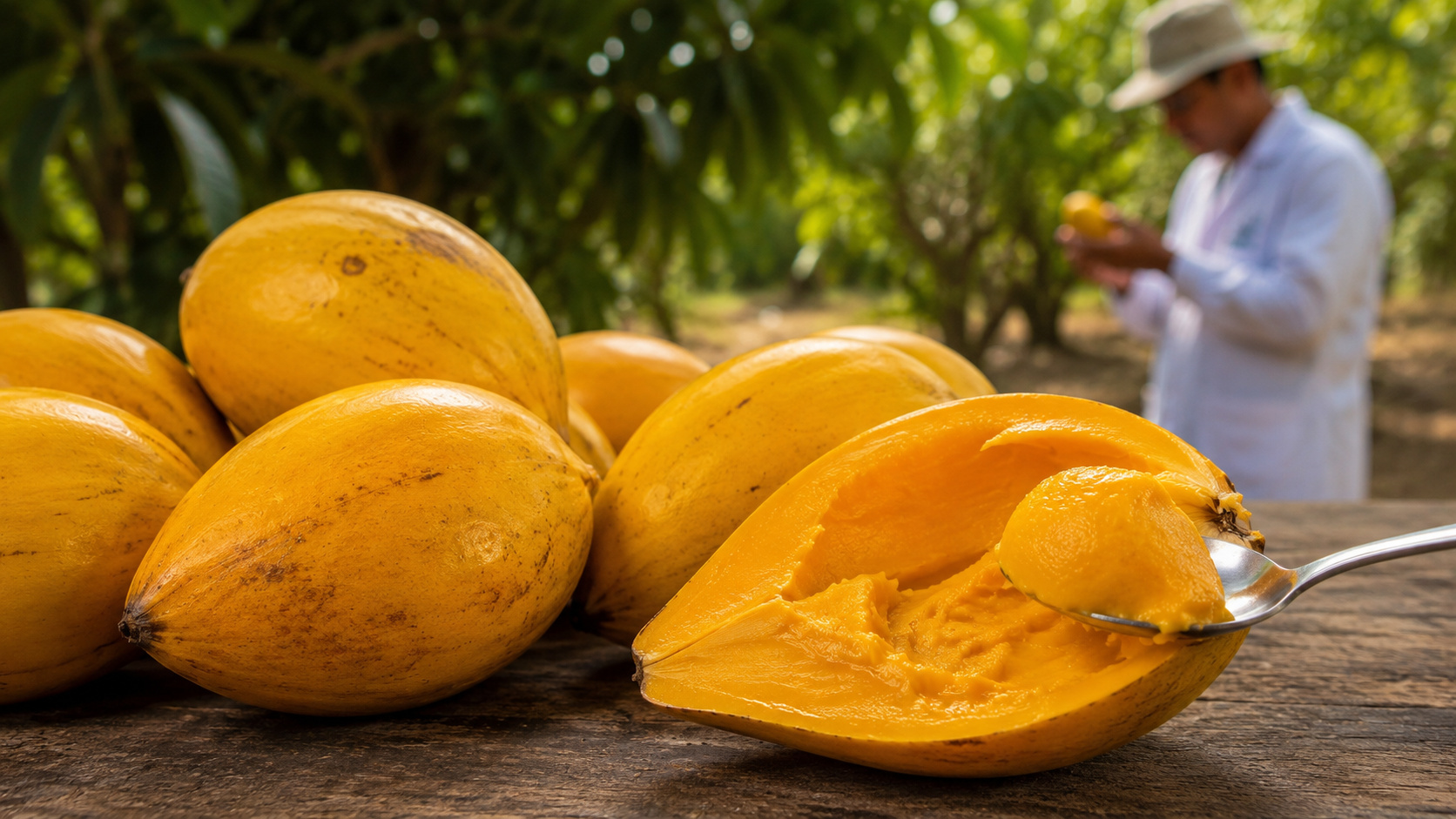
Rare Tropical Fruit Canistel, with Egg Yolk Color and Caramel Flavor, Gains Interest from Researchers and Small Producers in Brazil
-
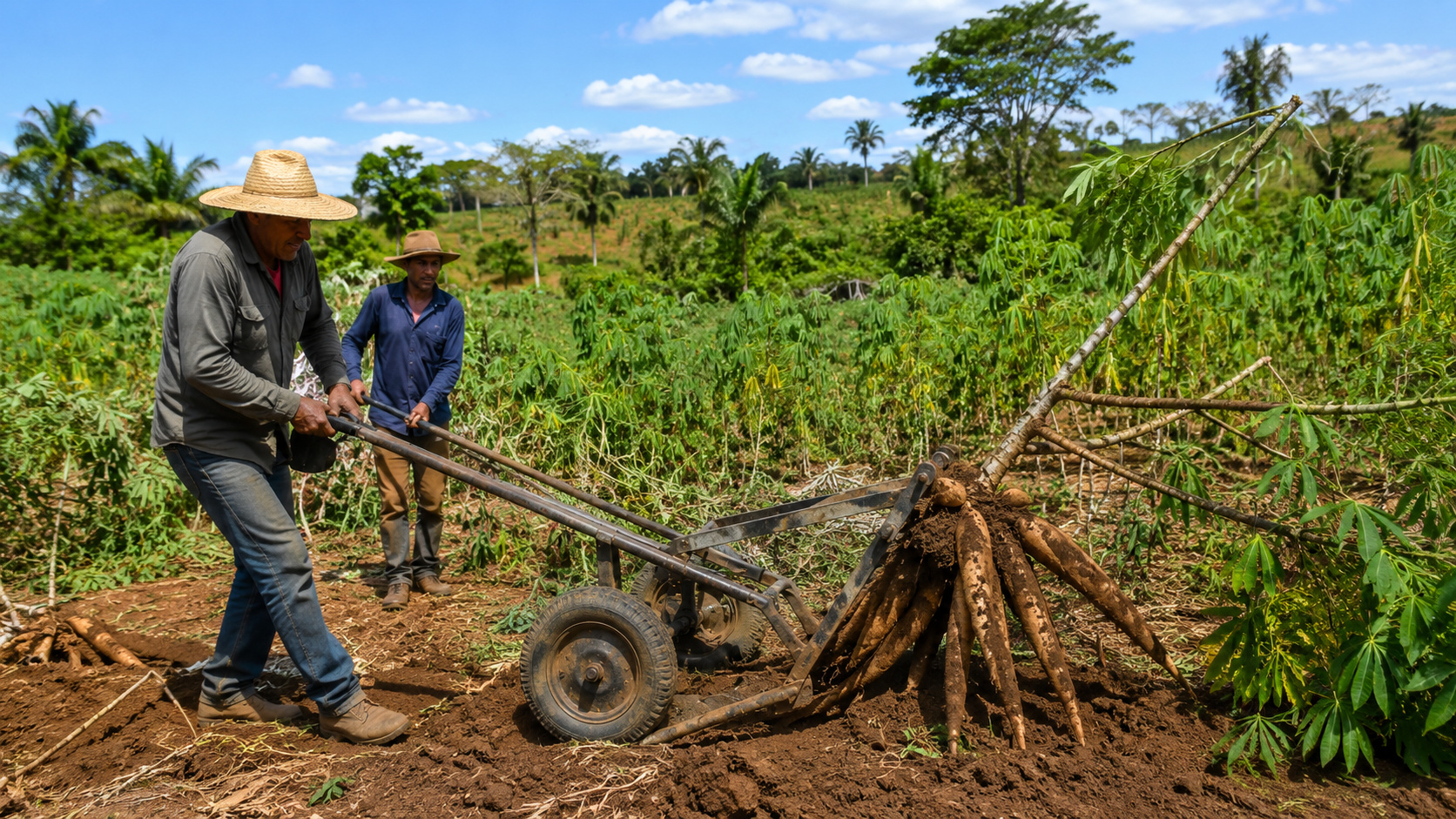
Brazilian Farmers Develop Wheeled Metal Lever to Ease Cassava Harvesting Without Heavy Machinery


In much of Africa, agriculture has been associated with low-prestige work, prompting young people to migrate to cities in search of administrative jobs.
Mangassa reports that family members viewed her return as a setback, reflecting a social perspective still common in rural and urban areas.
Change in Perception Driven by Income and Technology
This perception is beginning to shift with higher food prices, investment in irrigation, and expanded access to productive technologies in the field.
Governments and nonprofit organizations have started funding programs with technical training, equipment, fertilizers, pesticides, and agricultural seeds.
When she presented a structured business plan, Mangassa received support from her father, who helped her with the administrative processes for acquiring land.
Today, she is part of a trend of young people leaving urban centers to bet on agriculture as a source of sustainable income.
Earnings Exceed National Average and Reinforce Viability
Mangassa claims to earn around 2 million CFA francs per year, equivalent to US$ 3,500, above Senegal’s annual average income of about US$ 2,500.
The difference reinforces the economic attractiveness of the field compared to informal and unstable urban jobs.
Africa is the fastest urbanizing region in the world, with cities growing at an average annual rate of 3.5%.
As urban expansion continues, rents and food costs rise, putting pressure on family budgets and increasing the economic vulnerability of young people.
According to the World Bank, prices in cities like Dakar and Nairobi are nearing those in Europe, despite significantly lower salaries.
Labor Market Does Not Absorb Young People Fast Enough
Between 10 and 12 million young Africans enter the labor market annually, while only about 3 million formal jobs are created.
This data comes from the African Development Bank, indicating a structural deficit of formal opportunities.
Mangassa reports that her graduate colleagues work as motorcycle taxi drivers and struggle to survive despite their educational qualifications.
Mangassa now owns a 32-acre farm, cultivating peanuts, corn, vegetables, and fruits with institutional support.
She accessed financing through the World Food Program, which helps young Africans start agricultural businesses.
Launched in 2023 and slated to run until early 2027, the program has supported about 380,000 people in starting rural enterprises.
Structural Challenges Still Limit Agricultural Expansion
The organization works with local governments to enable land acquisition, hampered by complex land systems and restricted credit.
In Senegal, more than 61,000 people have been supported, with over 80% starting agricultural activities, according to the WFP.
Pierre Lucas, WFP director in the country, points to barriers such as access to land, financing, inputs, practical skills, and markets.
Senegal faces food insecurity exacerbated by cuts from donors and recurring adverse climatic conditions.
Ibrahima Hathie, from the think tank Prospective Agricultural and Rural Initiative, highlights the persistent impacts of the colonial period.
According to Hathie, farmers were pressured to produce peanuts for export to France, to the detriment of local food.
Technology and High-Value Crops Increase Production
The scarcity of arable land and soil degradation still restrict food production in the country.
Still, young farmers are transitioning to higher value crops, using technology to enhance productivity and income.
Hathie predicts that a greater local supply could reduce prices of basic goods as production increases.
Agriculture as an Alternative to Irregular Migration
Senegal is a starting point for migrants attempting to reach Europe via the dangerous Atlantic route.
Authorities see agriculture as a tool to generate jobs and reduce the outflow of young people from rural areas.
The Minister of Agriculture, Mabouba Diagne, stated that agriculture and livestock can create hundreds of thousands of jobs.
Individual Stories Reinforce Social Impact of Change
Adama Sane, 24, dreamed of migrating to Europe, but without resources, he returned to agriculture.
After difficulties in construction in Dakar, he learned about the WFP initiative and went back to the village.
Today he raises poultry and grows peppers on two hectares, saving more money and living with less stress.
Multiplicative Effect in Local Communities
Mangassa currently employs three young people who planned to migrate to Europe after failing in their attempts.
Mamadou Camara, Issa Traoré, and Madassa Kebe lost money to a smuggler before meeting the farmer.
According to Mangassa, offering work was a way to demonstrate local opportunities, even in a challenging economic context.
With information from AP News.






