






 Portuguese
  Spanish
 4 min of reading
  0 comments



COP 30 Was on the Agenda at a Workshop Held in Rio de Janeiro with Participation from EPE and ONS. The Meeting Highlighted Energy Justice, Digital Innovation, Expansion of Data Centers, Clean Energy, and Sustainability in the Electric Sector, Preparing Brazil for Climate Conference Debates in November
The COP 30 has already begun to stir important discussions in Brazil, even before November, according to a report published.
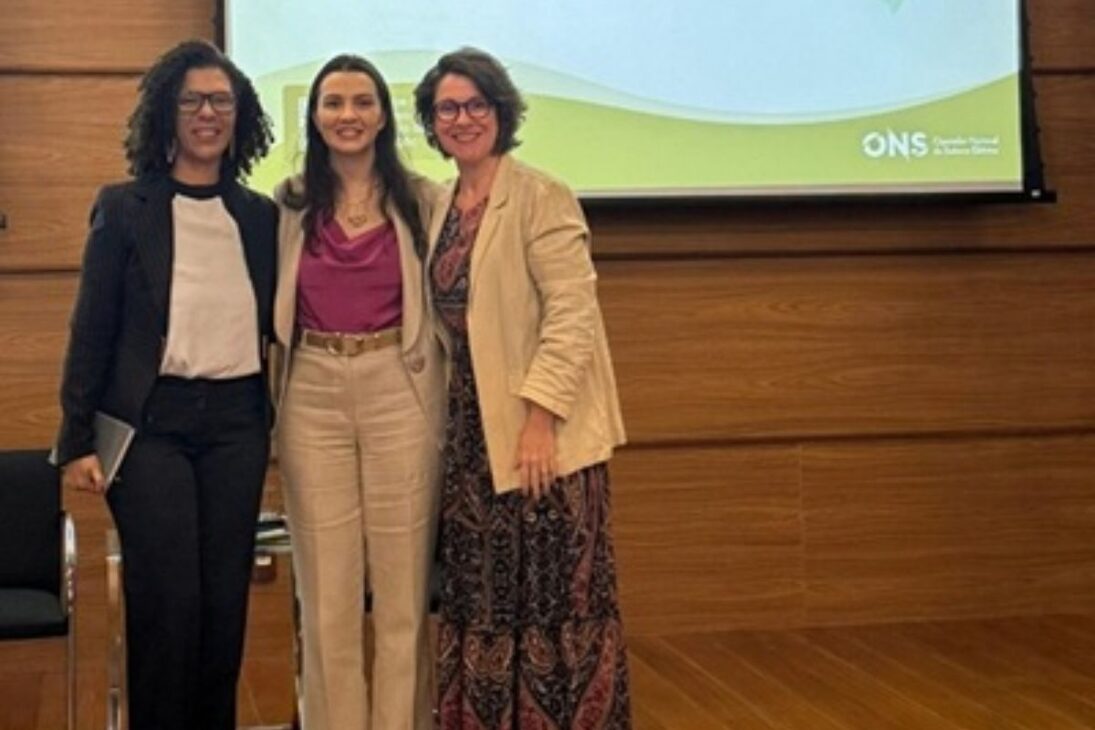
On September 24, the Brazilian Energy Research Company (EPE) and the National Electric System Operator (ONS) held a preparatory workshop in Rio de Janeiro that gathered experts to discuss topics at the center of the global agenda: energy justice, innovation, and sustainability.
The meeting aimed to bring the country closer to the challenges of the climate conference and present practical pathways to make the electric sector fairer, more efficient, and ready for the future.
-
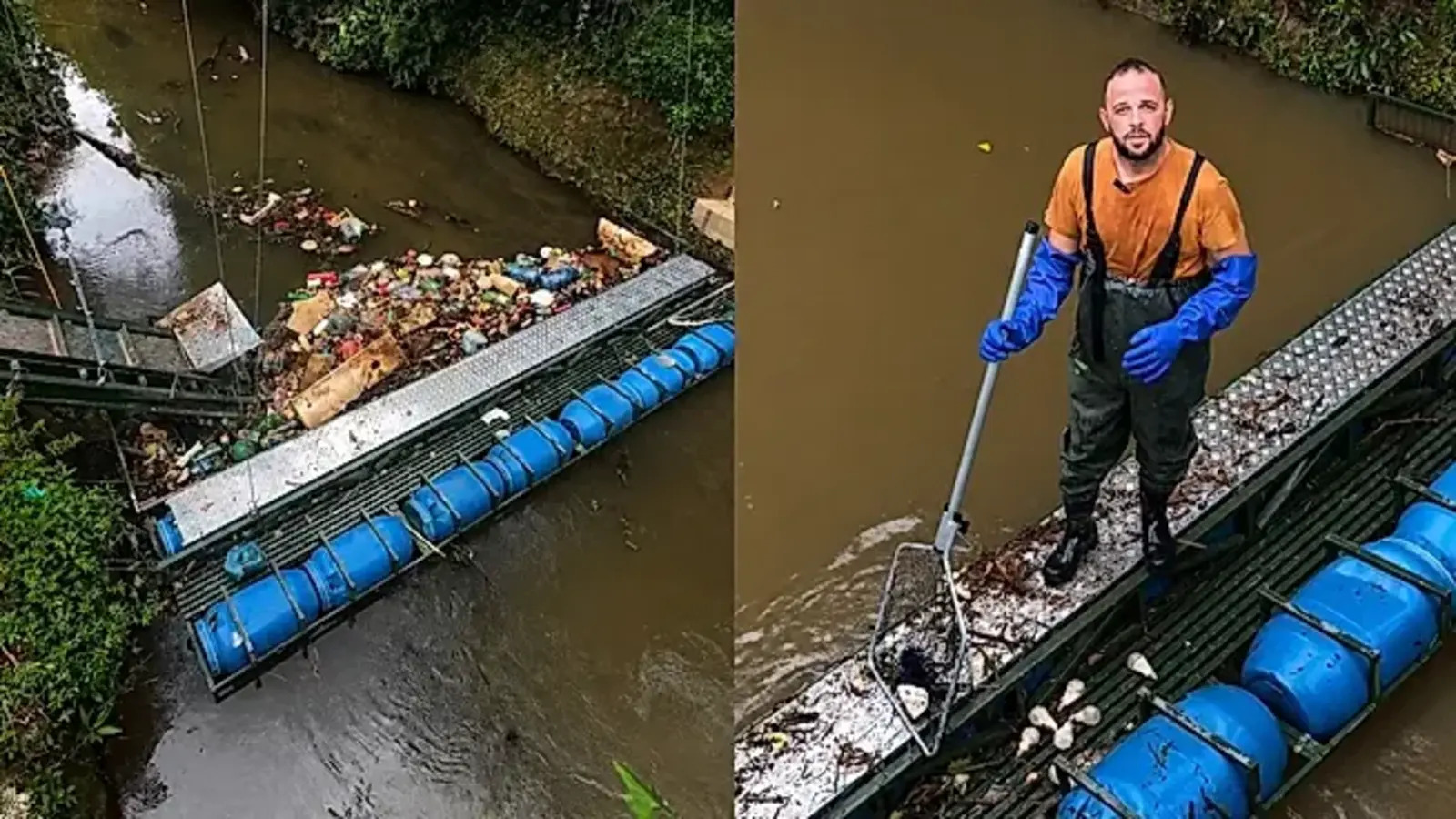
Brazilian promises his children to save a river, creates an eco-barrier in his backyard, has already removed more than 40 tons of trash from the water, and even inspires the idea in other states of the country.

-
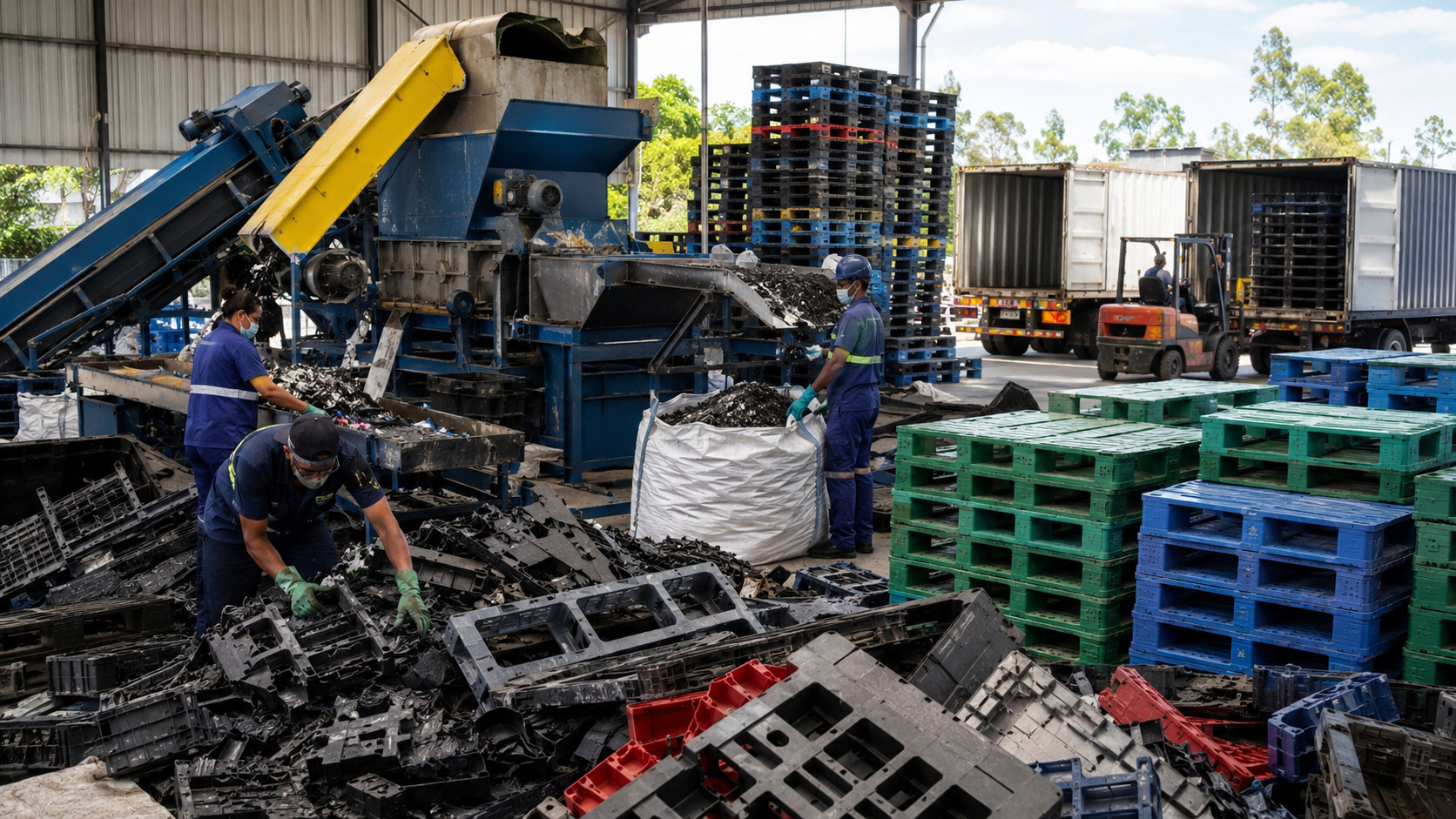
How a Brazilian company created a system that transforms broken pallets of any brand into new assets, recycles 80 tons of plastic per month, and found a profitable solution to a problem that challenges industries across the country.

-
Invasive bullfrog capable of devouring other amphibians and laying up to 20,000 eggs is found in Florianópolis, raising an alert about the threat to native fauna.
-
It looks like a baby, but it’s an adult: meet the Bornean pygmy elephant, the smallest elephant in the world threatened by habitat loss.


The event featured discussion panels that demonstrated how projects, studies, and indicators can help reduce inequalities in access to energy, as well as provide solutions for growing demands, such as the expansion of data centers and the use of new technologies.
The statements from EPE and ONS experts presented data, forecasts, and strategies that are being developed to make Brazil more competitive and prepared for the energy transition.
Energy Justice and the Fight Against Energy Poverty
COP 30 will have energy justice as one of its central agendas, and this was the focus of the participation of Carla Achão, superintendent of Economic-Energy and Environmental Studies at EPE.
During the morning panel, she presented the project Weaving Connections, developed in partnership with the Ministry of Mines and Energy (MME) and the Inter-American Development Bank (IDB).
The project aims to monitor and address energy poverty in the country. This concept is defined as the situation where families or communities cannot access a basic basket of energy services or do not have their needs met adequately.
According to EPE, solving this problem is one of the objectives of the National Energy Plan (PNE) 2055 and also of Sustainable Development Goal 7 (SDG 7), which addresses universal access to clean energy.
Carla also emphasized the importance of the Brazilian Observatory for the Eradication of Energy Poverty (OBEPE), which gathers data and indicators capable of showing how the problem is distributed across the country and what strategies can be implemented.
This initiative reinforces EPE’s role in long-term planning and connects energy justice to the debate that will be intensified during COP 30.
Digital Innovation and the Challenges of Data Centers
The second panel of the workshop focused on the relationship between COP 30, digital innovation, and the growth of data centers.
Daniel José Tavares de Souza, technical consultant of the EPE’s Energy Transmission Superintendence, presented figures that illustrate the scope of this challenge.
The forecast is that energy demand for data centers in Brazil will reach 19.8 GW by 2038, with most of it concentrated in São Paulo, which alone accounts for 33 connection requests to the Basic Network, compared to 29 in other states.
Daniel explained a dilemma known as the “chicken and egg problem”: investors only put resources into large load plants if there are guarantees of connection to the grid, but the grid is only expanded if these investments are confirmed.
To overcome this difficulty, EPE has been conducting prospective expansion studies for transmission, allowing for the anticipation of solutions and the inclusion of new projects in the planning of the electric sector.
According to the expert, this movement is fundamental because the explosion in the use of artificial intelligence is likely to increase demand for data centers, making the topic a global challenge that COP 30 will help bring to the table.
Clean Energy and Storage in the Interconnected System
Another key point highlighted in the workshop was the relationship between COP 30 and the advancement of clean energy sources in Brazil.
André Makishi, an analyst from the EPE’s Energy Generation Superintendence, reinforced that energy storage will be increasingly important to support the expansion of renewables.
He stated that this resource is already starting to be incorporated into planning studies and appears as a relevant alternative to ensure security in the interconnected electric system.
Among the measures, Makishi mentioned the Capacity Reserve Auction (LRCAP) as a tool that opens space for the inclusion of energy storage in the electric matrix.
This process will allow for the balancing of renewable energy growth and grid stability, showing that innovation and sustainability go hand in hand in the planning of the energy transition that will be discussed at COP 30.
Sustainability and Infrastructure at the Center of Investments
The workshop also showed how COP 30 is connected to the discussion of sustainability and infrastructure in the electric sector.
According to Daniel Souza, large data center projects require hundreds of megawatts and depend on regions with robust infrastructure. This explains why the São Paulo metropolitan area and Campinas concentrate the largest number of investments.
However, the expert highlighted that the existing grid was not planned to accommodate such high loads. Therefore, it becomes essential to clearly foresee where and how much energy will be needed in the future, ensuring that EPE’s studies can guide new investments.
Predictability will be key to attracting capital and creating a more sustainable environment, points that will be highlighted during COP 30.






Be the first to react!