Portuguese
  Spanish


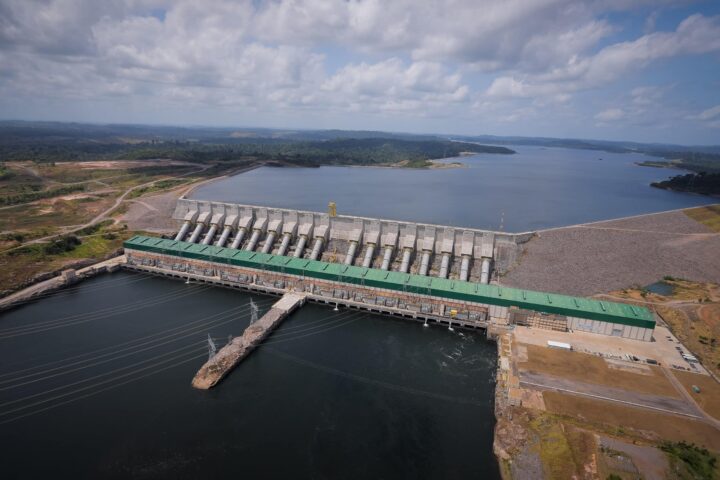


Understand The Controversy About Belo Monte And The Impacts Of The Court Decision
The annulment of the decision by Ibama by the Federal Court of Pará on February 20, 2025, reignites the debate on the balance between environmental preservation and the security of the national electric system.
Additionally, the measure directly affects the Belo Monte Hydroelectric Plant and may consequently cause significant impacts on the economy and the environment.
Thus, this turnaround brings new challenges for authorities and specialists in the energy sector.
-
Brazilian scientists are simultaneously advancing two research projects on clean hydrogen and driving solutions that could transform the energy matrix, enhance industrial competitiveness, and accelerate large-scale emission reduction targets.

-
Advancement in renewable energy: A R$ 150 million project launched by Petrobras and Finep aims to create state-of-the-art electrolyzers for green hydrogen, strengthening national research and preparing Brazil to compete in a billion-dollar energy market.
-
Illiterate or semi-literate grandmothers were trained to repair solar systems, open rural workshops, and light up homes that still depended on kerosene.
-
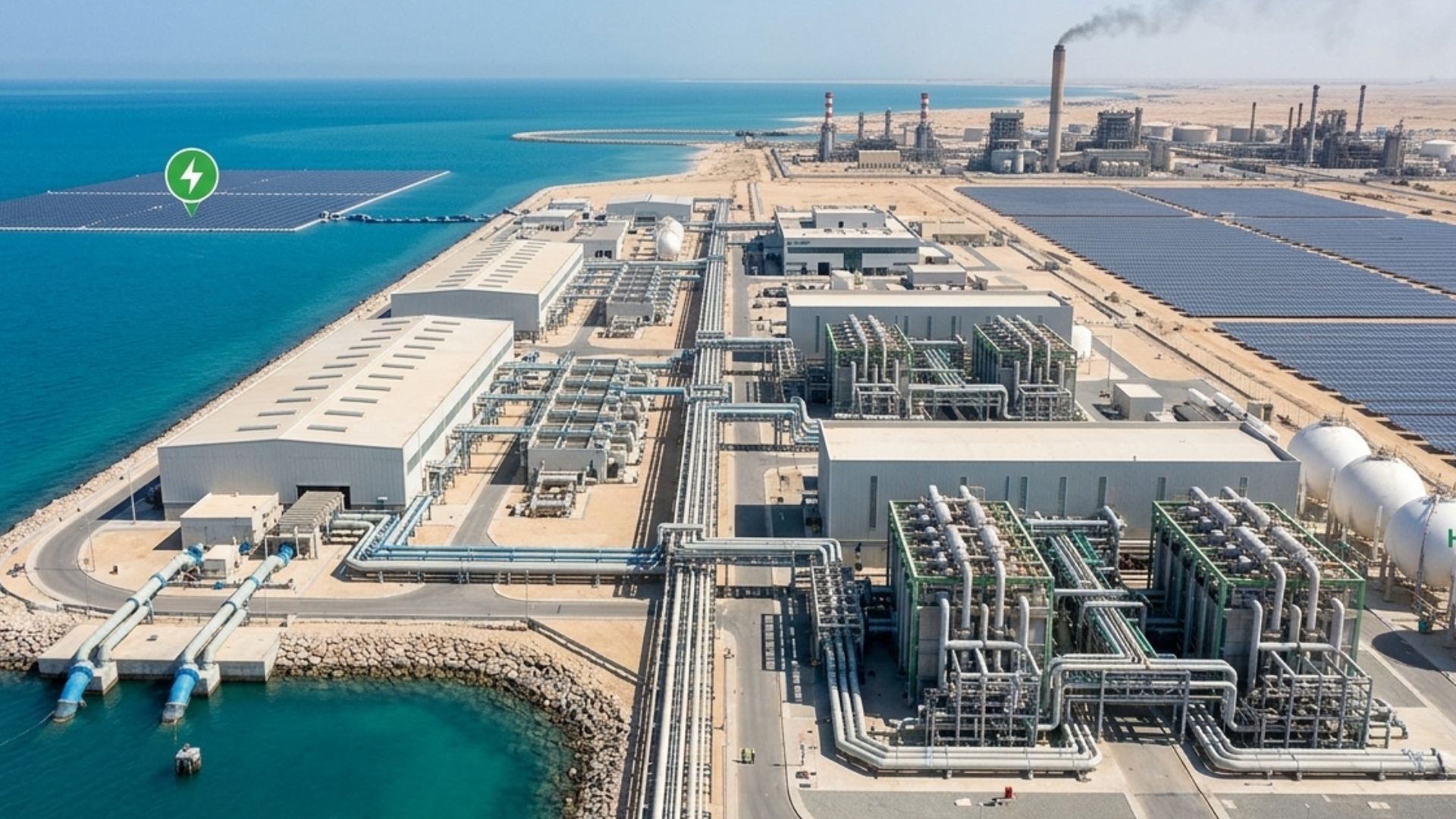
The world has bet on green hydrogen as the fuel of the future, but now faces the side effect: producing 1 kilogram requires about 9 liters of ultrapure water, and the largest projects on the planet are precisely in the driest regions of the Earth, where water is already scarce for people.




Federal Court of Pará Annuls Ibama Decision On Belo Monte
The Federal Court of Pará, in turn, annulled Ibama’s decision, which had determined on January 31, 2025, the reduction of water flow at the Belo Monte Hydroelectric Plant, located on the Xingu River.
The goal of the measure was, therefore, to preserve the piracema, an essential period for fish reproduction. This decision came after a technical failure in the transmission lines that altered the river’s flow.
Even after the electric transmission was restored on February 2, 2025, Ibama maintained the flow restriction until March 15 to ensure environmental protection.
However, the Court considered that the restriction could compromise the stability of the national electric system. Moreover, this factor could financially impact energy consumers.
The Impact Of The Decision On Energy Generation And The Consumer
The court decision primarily considered alerts from the National System Operator (ONS). The agency emphasized the risks of compromising the reliability of the country’s energy supply if the flow from the Belo Monte hydropower plant were reduced.
Furthermore, the National Electric Energy Agency (Aneel) calculated that the limitation on energy generation could, for example, generate an additional cost of up to R$ 2.4 billion for consumers.
The suspension of Ibama’s determination thus aims to balance environmental preservation with the need to maintain a stable electricity supply.
Experts stress that electricity production in Brazil requires, above all, strategic decisions. These decisions must consider both environmental impacts and the security of the electric system.
The Reactions And The Next Steps Of The Authorities
With the injunction in effect, the Federal Public Ministry (MPF), Ibama, the National Water and Basic Sanitation Agency (ANA), and other involved agencies must, therefore, present manifestations regarding the court decision within five days, that is, by February 25, 2025.
The debate over the flow of the Belo Monte plant, on the other hand, highlights the challenges of the Brazilian energy matrix.
Environmentalists, such as representatives of the Socio-Environmental Institute (ISA), advocate for measures to protect the ecosystems of the Xingu River. Meanwhile, infrastructure specialists, such as the National System Operator (ONS) and the National Electric Energy Agency (Aneel), warn about the risks of excessive restrictions on electricity generation.
Balance Between Sustainability And Energy Security
The decision of the Federal Court of Pará, after all, represents a new chapter in the search for a balance between environmental sustainability and energy security in Brazil.
The discussion continues among different stakeholders in the energy and environmental sectors. This debate may generate impacts that could extend over the coming months.