






 Portuguese
  Spanish


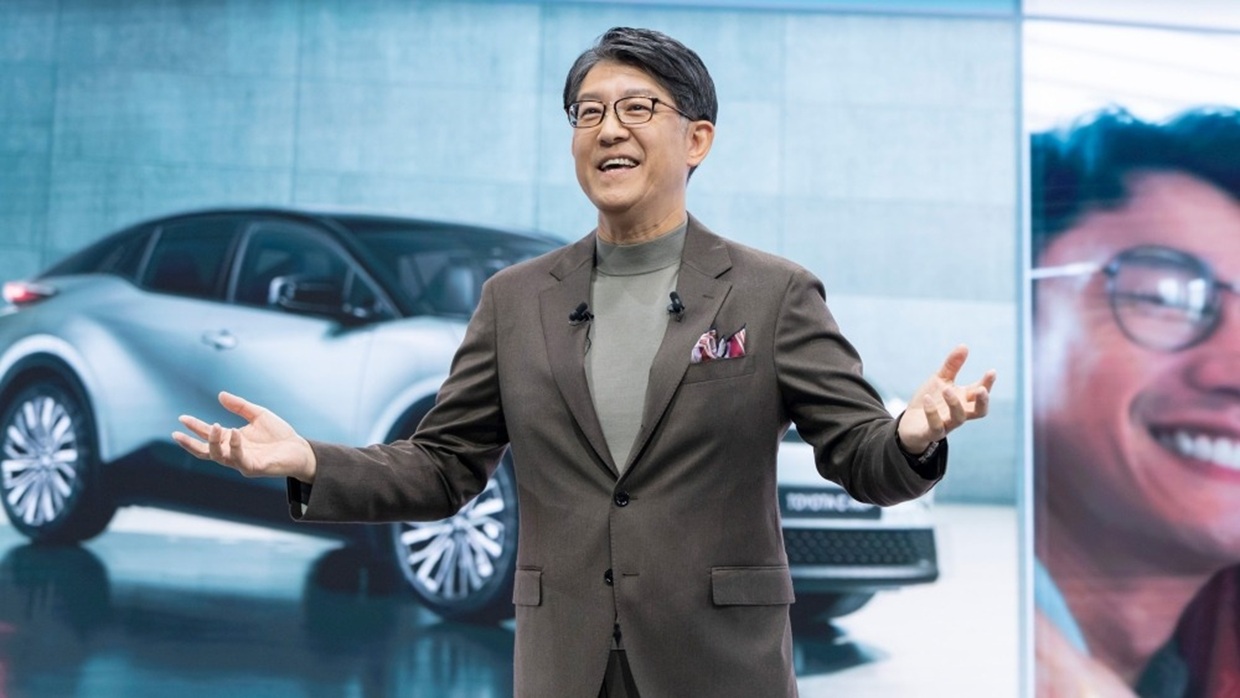


At the Japan Mobility Show 2025, Koji Sato Unveiled the New Corolla, Which Launches a Fully Electric Version and Reinforces Toyota’s Multi-Energy Strategy, Combining Attractive Design, Efficiency, and Driving Pleasure in One Model
Koji Sato, CEO of Toyota, used his participation in the Japan Mobility Show 2025 to explain the guiding thread of the group’s new phase.
The brand’s strategy now aims to combine all propulsion technologies — combustion, hybrids, and electric — under one principle: to manufacture visually appealing cars that are enjoyable to drive.
According to Sato, the goal is simple and straightforward: “whether it’s an electric car, a plug-in hybrid, a conventional hybrid, or even a car with a combustion engine, we will make beautiful cars that everyone will want to drive.”
-
Sales of Brazil’s Cheapest Electric Car Halted Before First Deliveries: E-Motors Suspends Emova Easy Due to Import Tax Increase and Rising Freight Costs

-
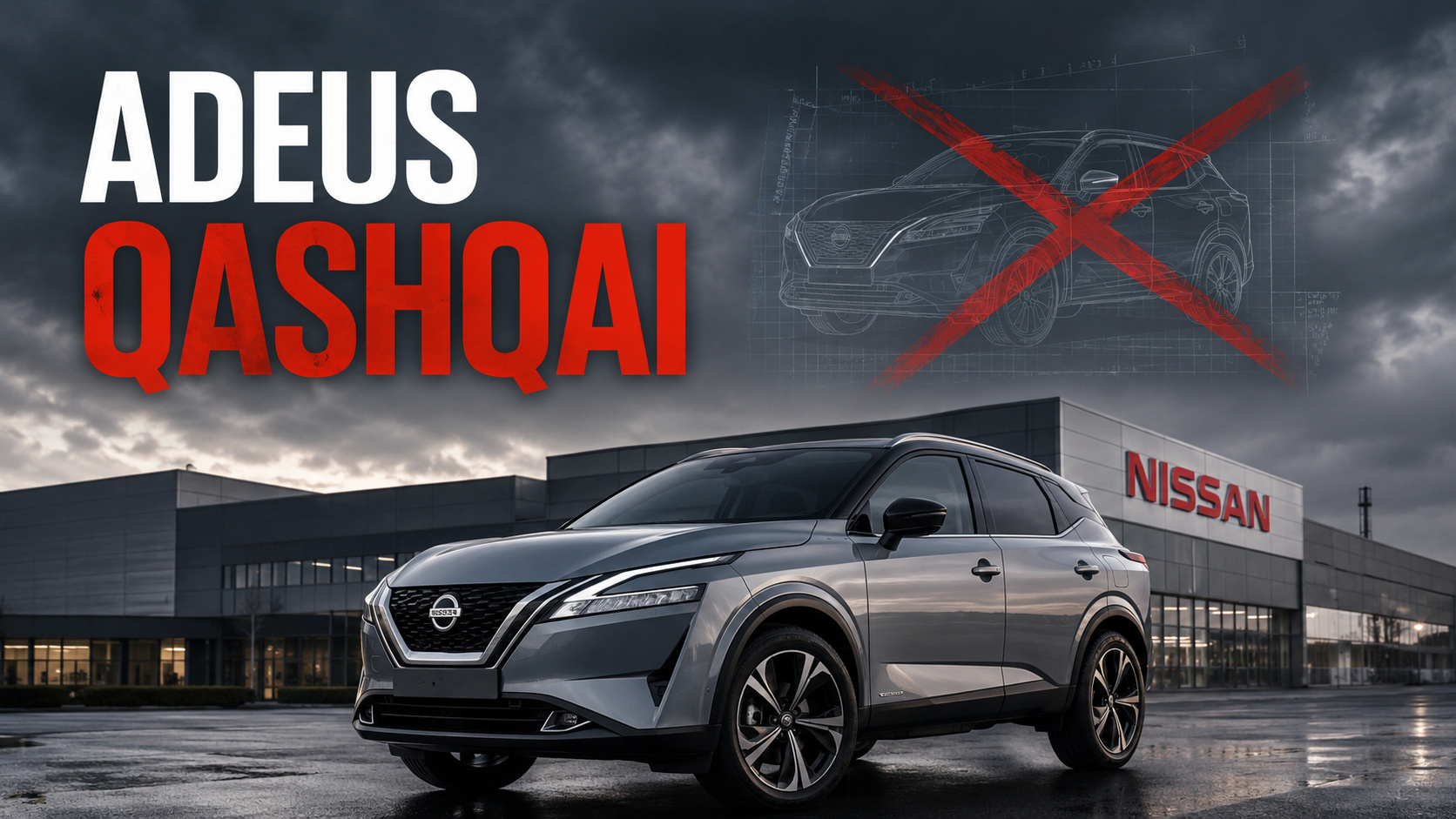
Nissan Discontinues Qashqai SUV Amid Cost-Cutting, Chinese Competition, and Product Line Review

-
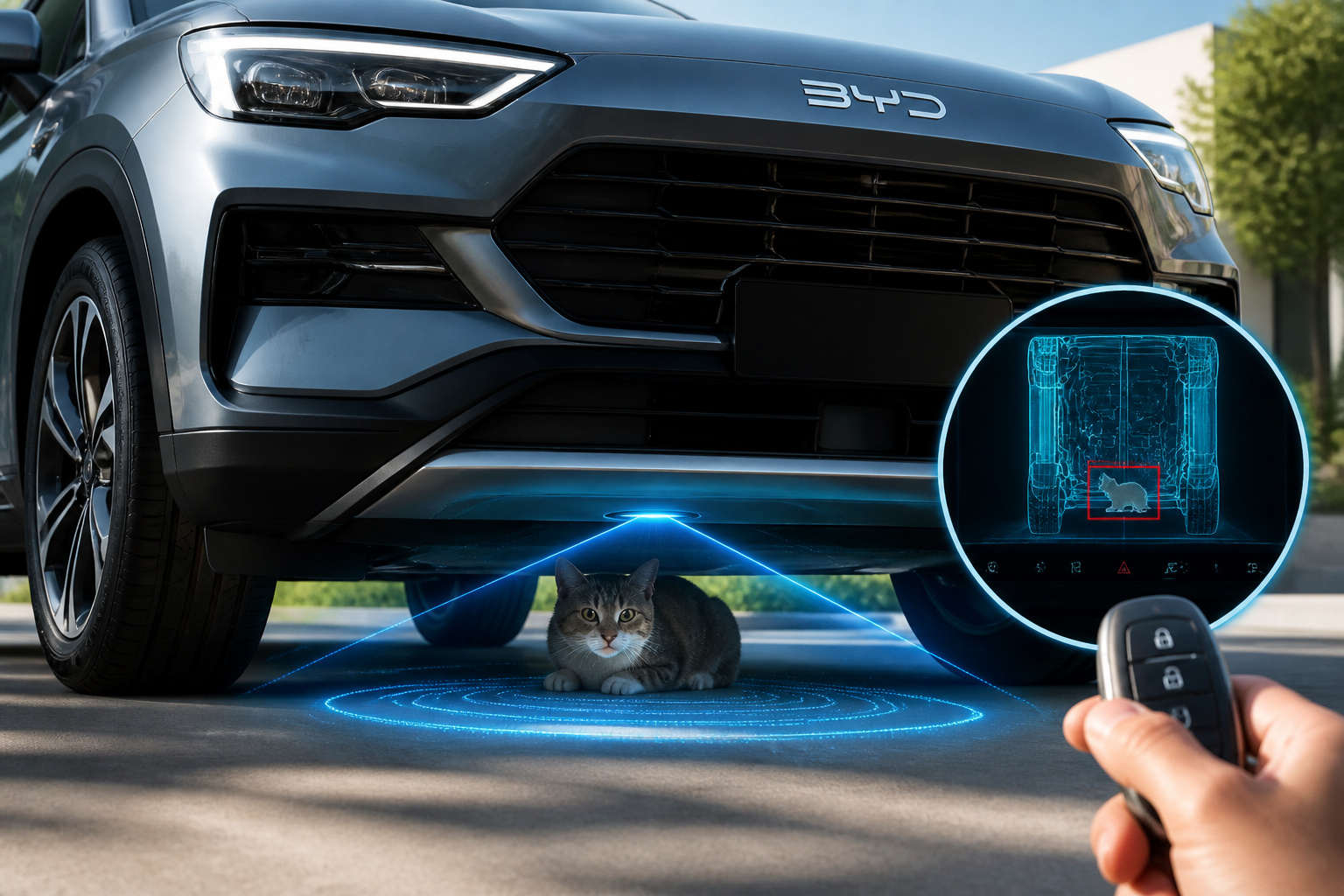
BYD Patents Revolutionary System Using Computer Vision to Detect Animals Under Cars Before Starting, Preventing Tragedies

-
Study Reveals Why Cars Are More Expensive to Produce and Buy in Brazil Compared to Mexico, Highlighting Taxes, Logistics, and Industrial Costs as Key Factors.


Corolla as a Symbol of Toyota’s Evolution
During his presentation, the executive highlighted the role of the Corolla as an example of Toyota’s philosophy. Since 1966, the model has surpassed 54 million units sold and remains a benchmark in the compact segment.
Now, with the arrival of the new generation, the brand seeks to respond to a world of very different needs, without abandoning the original idea of a “car for everyone.”
The new Corolla was described by Sato as “full of innovations” and marks an important turning point in the model’s trajectory.
For the first time, the world’s best-selling car will have a fully electric version, yet maintaining the practical focus that has always defined its identity. The prototype presented at the Tokyo Mobility Show anticipates a more efficient vehicle, with a renewed design and a focus on driving experience.
Multi-Technology Strategy and Focus on Design
Toyota has reached this point after years of criticism for its slower pace in adopting electric cars. The company, however, has always defended its “Just in Time” strategy, introducing each technology at the right moment. Thus, it combines thermal engines, hybrids, plug-in hybrids, and, in the future, hydrogen-powered vehicles.
The new Corolla Concept represents the next step in this vision: to advance on the electric path without abandoning the multi-energy portfolio.
In terms of design, the prototype breaks with traditional style. It features angular lines, improved aerodynamics, and a silhouette closer to a sedan.
Although still a concept, Toyota tends to be faithful to the transition between the concept car and the production version. The expectation is that the new generation will maintain the three body styles already known: hatchback, sedan, and station wagon.
Mechanical Flexibility and Launch in 2026
Technical flexibility will continue to be one of the foundations of the Corolla. Toyota recognizes that the demands of Europe differ from those of the United States, Japan, and Africa, and bets on a “Swiss Army knife” of options.
Thus, it will offer hybrid engines for mature markets, thermal engines for regions with slower electrification, and, as a major novelty, the unprecedented 100% electric version. In the prototype, there are even front charging ports that reinforce this diversity.
For now, the brand has not revealed data on power, range, or charging times. The focus, according to the CEO, is on design and technical proposal.
The global launch is scheduled for 2026, coinciding with the model’s 60th anniversary. Until then, Toyota promises to balance price, range, and embedded technology, preserving the pillars that have made the Corolla a worldwide success: reliability, affordable running costs, and smart space utilization. If the plan proceeds as expected, the new Corolla could reaffirm its historic motto — to be, once again, “a car for everyone,” now also with zero emissions.


Alguém duvida que continuará sendo um carro simples por dentro como é a tendência de produção dos modelos Toyota?