






 Portuguese
  Spanish


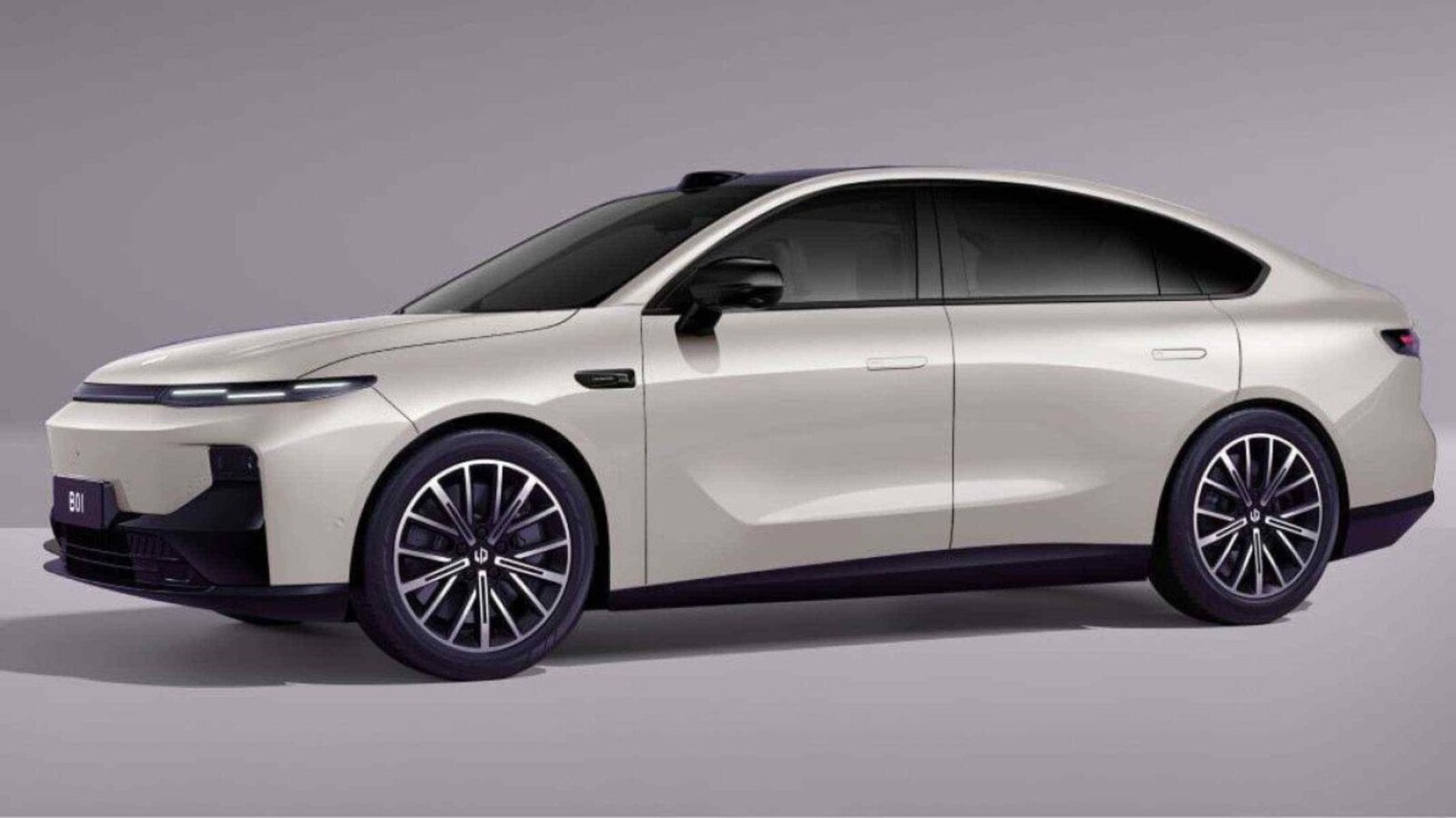


Leapmotor’s B01 Electric Sedan Reaches 10,000 Units Produced in Seven Days, Reflecting High Demand and Industrial Efficiency in China
The Chinese automaker Leapmotor, part of the Stellantis group, surprised the automotive market by announcing that it produced 10,000 units of the B01 sedan in just one week.
The model was launched on Wednesday, the 24th, and the brand celebrated the production milestone on the 30th. The volume reflects the impressive capacity of Chinese factories.
The most important aspect is that production nearly matches the number of orders received right after the launch.
-
Thinking of Installing LED Headlights? Why Replacing Halogen Bulbs is Still Banned, the Glare Risks Authorities Worry About, and How a New Proposal Could Allow Certified, Safe Installations

-
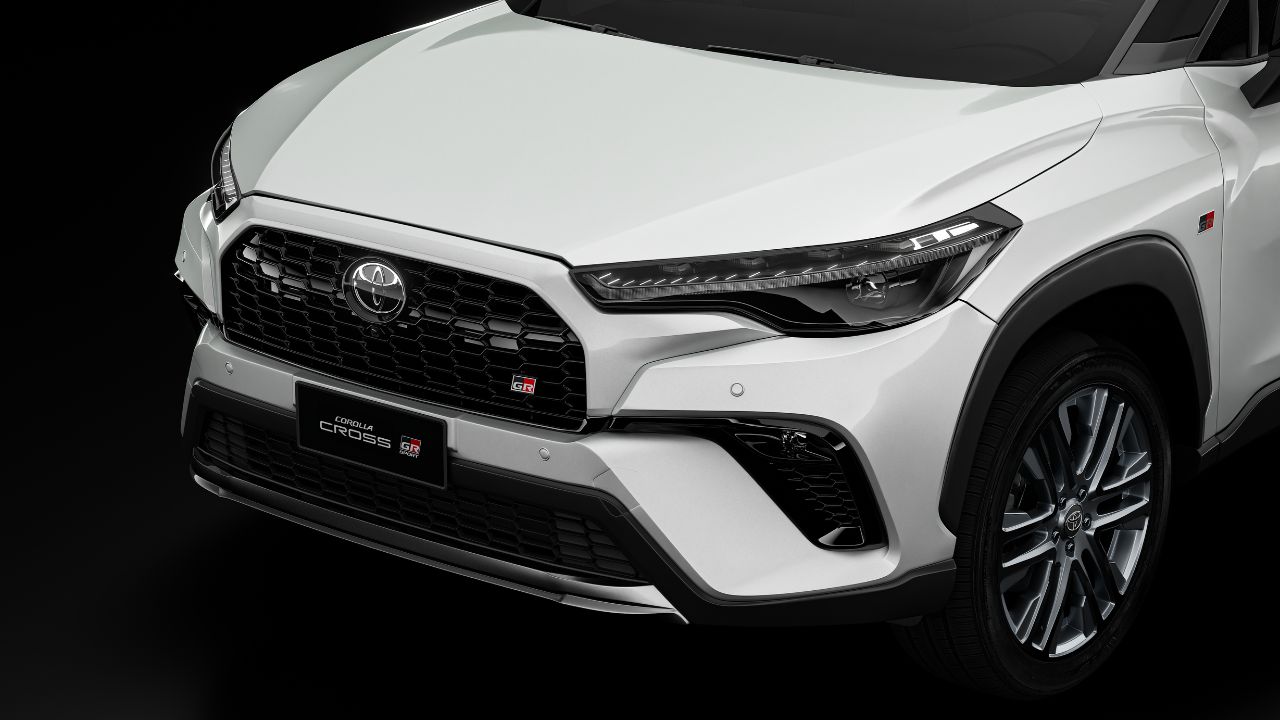
2027 Toyota Corolla Cross Unveiled: New Design, Enhanced Fuel Efficiency, Reduced Maintenance Costs, Advanced Technology, Connected Services, and Up to 10-Year Warranty

-
Fiat Cronos Precision 2018: Affordable Sedan with Spacious Trunk and Reliable Maintenance
-
Volkswagen to Cut Production by 1 Million Cars by 2030, Reducing Jobs and Platforms, Focusing on More Profitable Models




In just 72 hours, Leapmotor recorded 10,132 B01 purchases, a number that demonstrates consumer interest in the new model.
The local press highlights that the factory was able to meet practically all initial demand.
Comparisons with the Brazilian Market
Leapmotor’s agility contrasts with the Brazilian reality. In the case of the new Tera SUV, Volkswagen Brazil received 12,000 orders in just 50 minutes.
However, its plant in Taubaté (SP) can produce about 6,000 units per month, revealing a different production pace.
The B01 is Leapmotor’s second sedan and was designed to cater to families. According to the automaker, 72% of buyers are under 35 years old.
Another noteworthy fact is that 48% of the orders were made by women. The brand bets on this new generation of consumers, who are increasingly connected and demanding.
Motorization and Range of the B01
Leapmotor offers the B01 with three rear motor options: 135 hp, 179 hp, and 217 hp. Torque ranges between 17.8 kgfm and 24.4 kgfm.
Range is also a differentiator. According to the Chinese standard, the car can travel between 430 km and 650 km on a single charge.
At 4.7 meters long and a wheelbase of 2.73 meters, the sedan offers good space for occupants. The width is 1.88 m and the height is 1.49 m.
The trunk has a capacity of 460 liters, reinforcing the model’s family appeal.
Technology and Interior Finish of the B01
Safety is also a highlight. The B01 features 26 driving assistants, operated by a set of 10 cameras, 12 ultrasonic radars, 3 millimeter-wave radars, and a lidar sensor with a range of 300 meters.
The interior offers three color options, an 8.8” dashboard, and a 14.6” multimedia center.
Despite its success, the B01 will not come to Brazil. With prices ranging from 89,800 to 119,800 yuan (about R$ 69,700 to R$ 92,985), Leapmotor confirmed that it will first bring the C10 model, an electric vehicle with range extender.
The B01, being 100% electric, is not in the brand’s immediate plans for the country.
With information from Vrum.com.





Tomara que a China chegue o mais rápido para ocupar um terreno que os americanos, europeus, japoneses e coreanos sempre abusaram. Agora que a China está chegando, elas âncora pela ANFAVEA estão procurando boicotar. Vida longa China!
A fábrica é na China, más pertence a grupo europeu o que significa que dessa marca receberemos o mesmo de sempre que o ocidente nos entrega, modelos velhos, lançamentos ultrapassados da Europa, que venham as fábricas chinesas e nos fabriquem aqui tecnologia de ponta