






 Portuguese
  Spanish
  3 min of reading
  0 comments


MME Reopens Public Consultation Amid Allegations of Favoritism Towards Candiota III Thermal Power Plant
The Ministry of Mines and Energy (MME) reopened on August 22, 2025 the public consultation for the Capacity Reserve Auction (LRCAP) 2026, through Ordinance No. 859/2025. The measure provides for the contracting of electric power from thermal plants powered by natural gas, coal, and diesel, as well as expansions in hydropower plants. However, experts and environmentalists point out that the decision may directly favor the Candiota III Thermal Power Plant, located in Rio Grande do Sul, which is subject to environmental fines exceeding R$ 200 million, according to Ibama, in addition to investigations by the Federal Public Ministry (MPF). In fact, the plant had its operating license suspended by court order on August 22, 2025.
Environmental Pressure and Allegations of Political Lobbying
According to ARAYARA, the Candiota III Thermal Power Plant has benefited from legislative “riders” — provisions inserted in Bills to ensure the maintenance of public subsidies. Only between June and July 2025, Âmbar Energia, controlled by the J&F Investimentos group, received R$ 26 million from the Energy Development Account (CDE). The amount was intended for the Rio Grande Mining Company (CRM) to purchase coal, being paid directly by Brazilian consumers.
- Million-Dollar Subsidies: ensure the survival of the plant.
- Low-Efficiency Energy: with high emissions of polluting gases.
- Spot Market and Export: part of the generation may not meet national demand.
This model, according to the organization, makes the operation of the plant highly dependent on public resources, generating expensive, polluting, and inefficient energy.
-
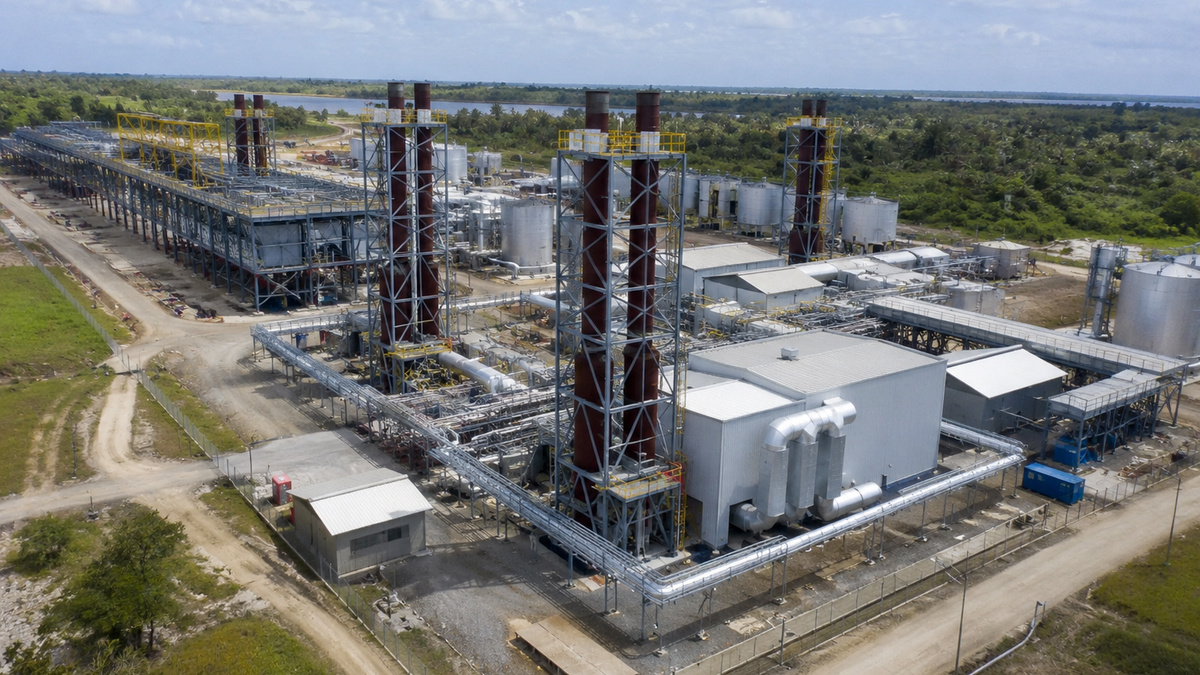
The first large-scale ethanol-powered thermoelectric plant is born in Pernambuco, surprising the energy sector and potentially opening a new phase for biofuels in Brazil.

-
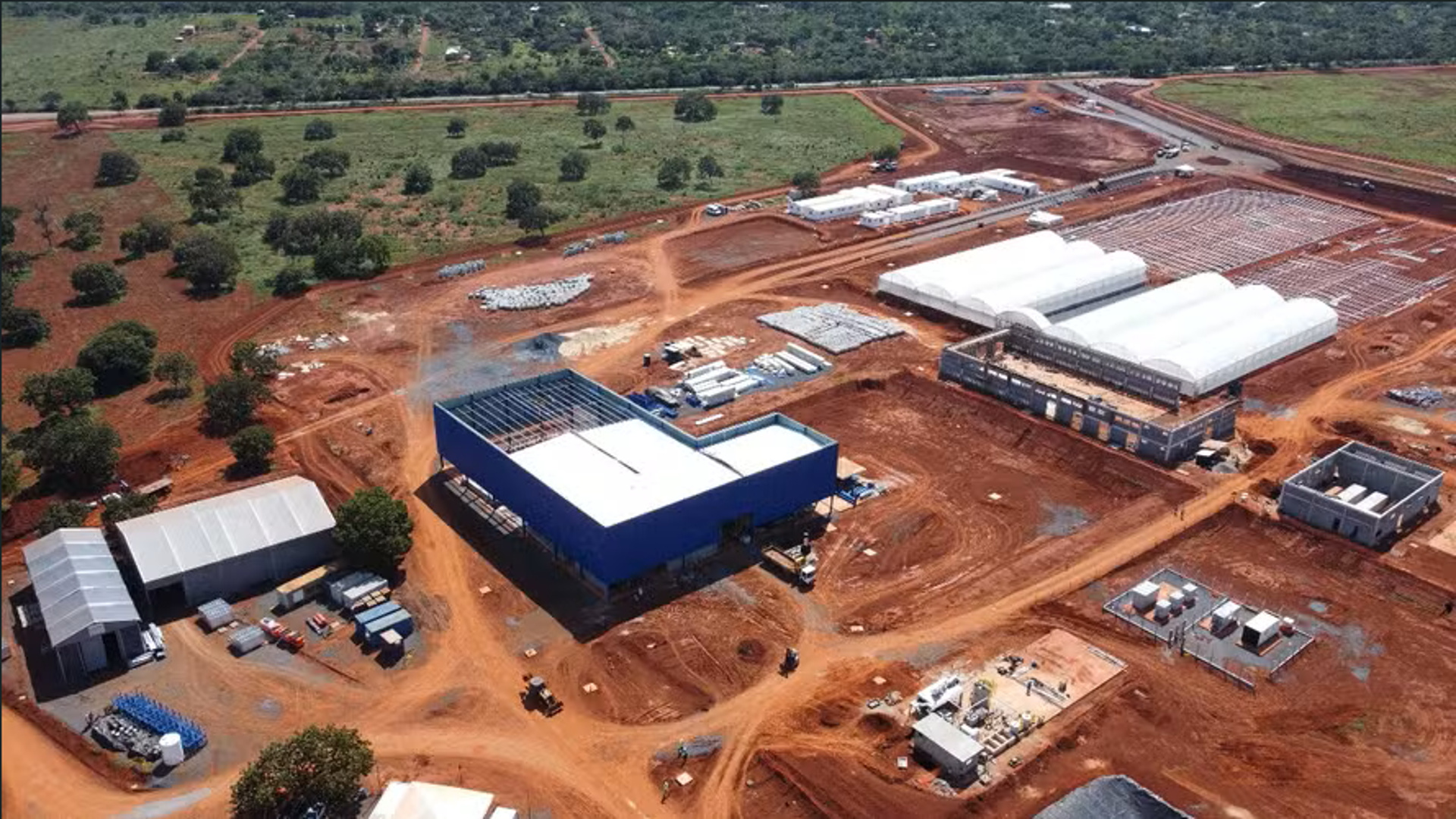
Acelen advances with megabiorefinery in Bahia with a R$ 503 million investment released by BNDES and boosts the production of sustainable fuels with advanced technology capable of transforming vegetable oil and waste into green diesel and low-emission aviation fuel.

-
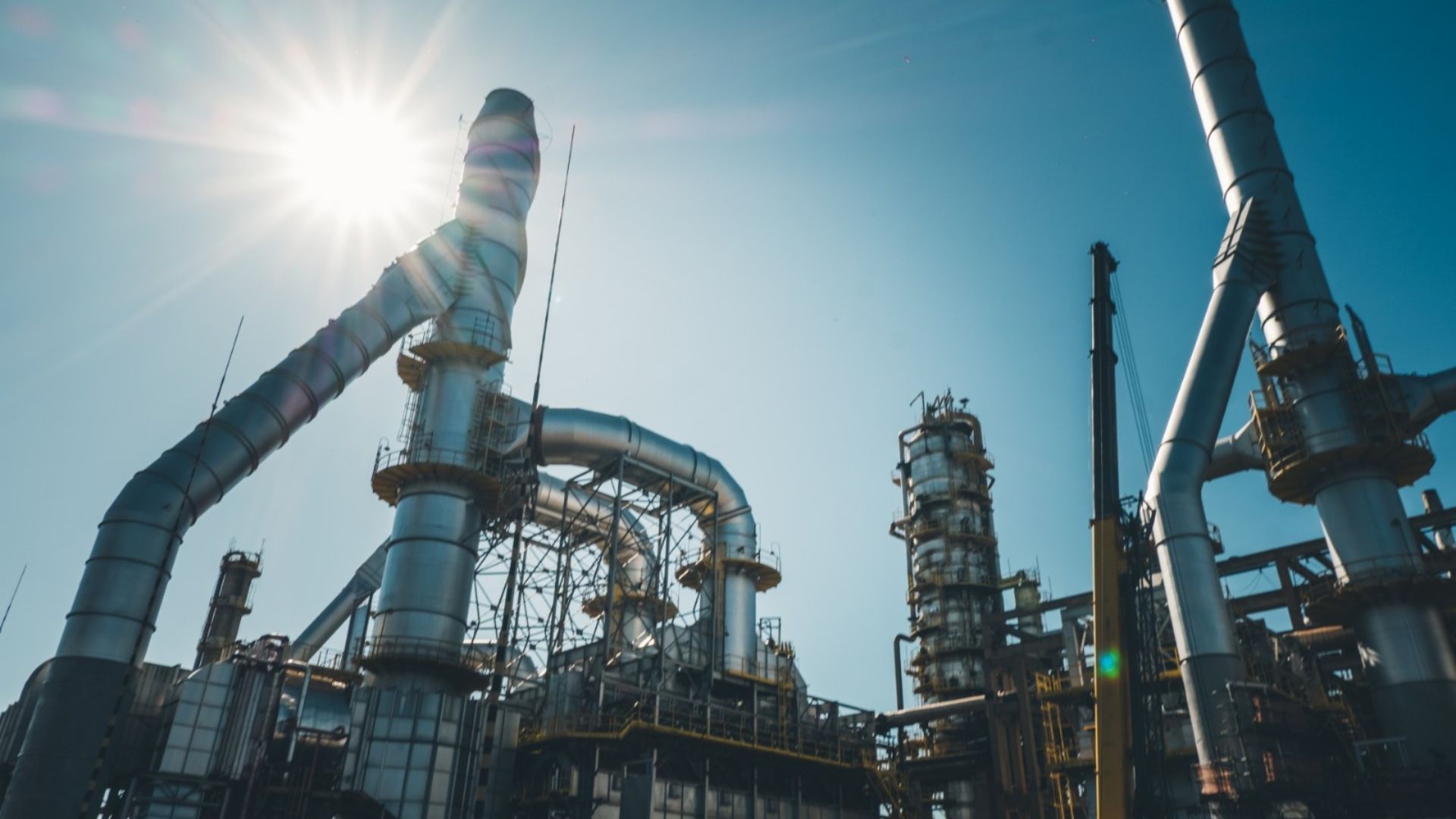
Petrobras announces RNEST’s historic milestone in April after the refinery reached record diesel production and strengthened the national fuel supply.
-
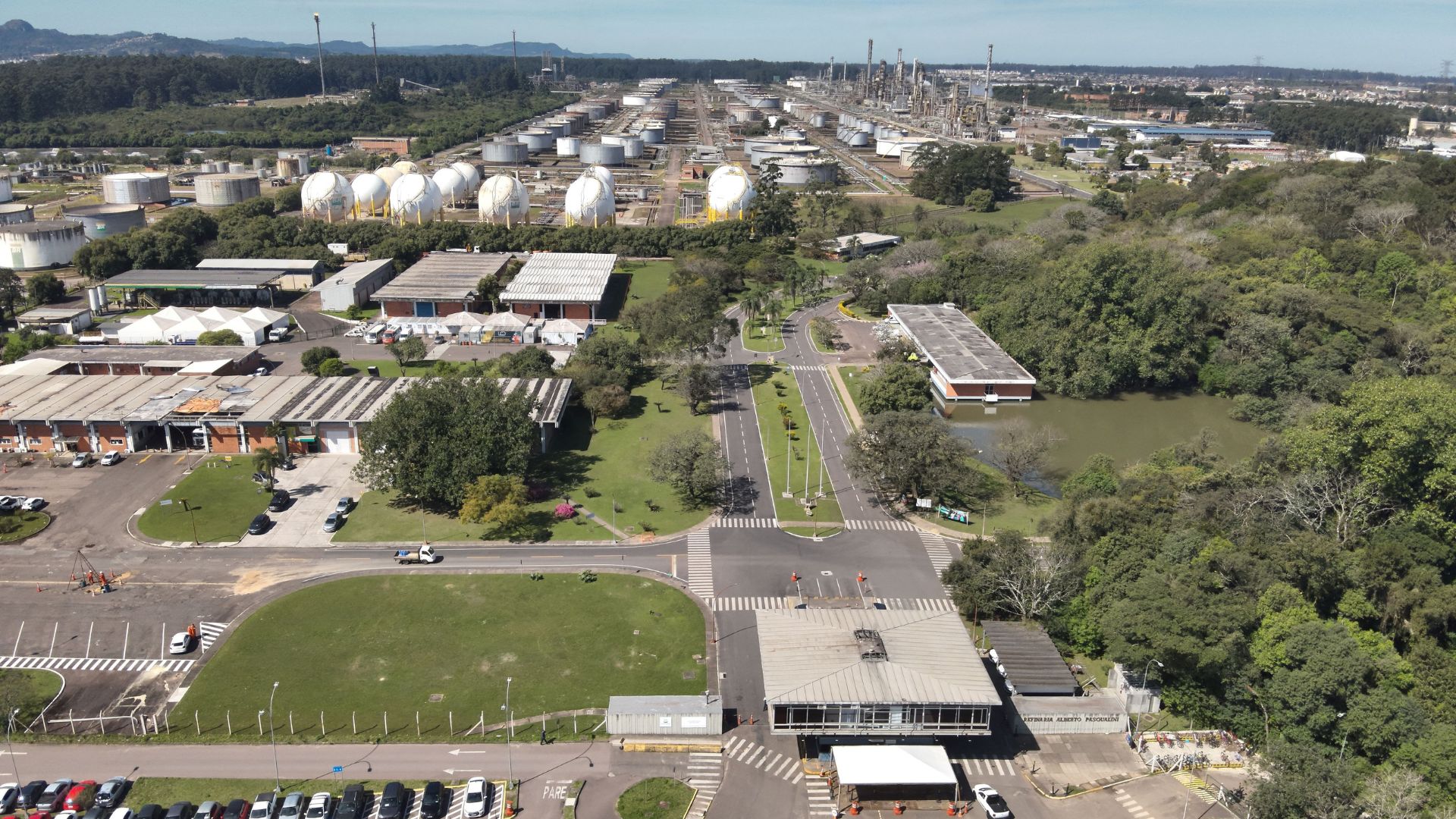
Petrobras Expands Refining in Brazil, Increases Production of Diesel S-10 and Gasoline, Enhances Operational Efficiency, and Reduces Import Dependence Between 2023 and 2025

Increased Climate and Economic Impacts
The LRCAP 2025, nicknamed the “Auction of Emissions”, was canceled after legal disputes, as it anticipated large-scale contracting of fossil gas plants. Studies estimated potential emissions of up to 1.11 gigatons of CO₂ by 2050. Now, the 2026 version goes further, including coal and diesel, which further increases environmental risks.
As stated by Luiz Barata, President of the National Consumers of Energy Front, insisting on fossil thermal plants means endangering Brazil’s climate commitments while, at the same time, burdening consumers who pay for energy even without effective use.
International Context and Criticism on the Eve of COP30
The government’s decision comes at a critical moment, as Brazil prepares to host the COP30 in Belém in November 2025. For ARAYARA, the measure symbolizes a setback in the energy transition, damaging the country’s international image.
According to Juliano Bueno, Technical Director of the entity, the scenario represents “the energy transition from fossil fuels to fossil fuels”, which reinforces dependence on polluting sources. He emphasizes that the environmental and social costs will be paid by the environment, consumers, and Brazilian cities increasingly affected by extreme climate events.
Key Highlights
- Ordinance No. 859/2025 from MME reopens the LRCAP 2026 on August 22, 2025.
- Candiota III Thermal Power Plant has accumulated R$ 200 million in environmental fines, according to Ibama, and is under investigation by the MPF.
- Âmbar Energia (J&F Investimentos) received R$ 26 million from the CDE in just two months of 2025.
- The model ensures million-dollar subsidies to a plant considered inefficient and polluting.
- The auction may compromise international climate commitments and generate more costs for consumers.
- Criticism intensifies on the eve of COP30 in Belém.
Implications for the Future of the Electric Sector
Therefore, the controversy surrounding the LRCAP 2026 highlights a clash between the need for energy security and the sustainability goals assumed by Brazil. Thus, while subsidies continue to support coal generation, the pressure from environmentalists and experts increases for the country to invest in renewable and clean sources, avoiding risks of setbacks in national energy policy.
In light of this, the dispute among political, economic, and environmental interests is expected to intensify the debate about the future of Brazil’s electric matrix in the coming months. After all, will the country be able to reconcile energy development with its global climate commitments?







-

1 person reacted to this.