






 Portuguese
  Spanish


Transition Dialogues: Civil Society and the Public Prosecutor’s Office Lead Climate Litigation in Brazil. Climate Litigation Involves Civil Society, MP, NGOs, Private Sector, and Legal Risks in Investments.
The issue of climate litigation has been increasingly debated in different spheres of society, considering the impacts of human actions on the environment. The rise in discussions about climate litigation reflects the urgency to find solutions and hold accountable the agents involved in environmental degradation.
Environmental conflicts and ecological controversies have led to a significant increase in climate-related lawsuits, fueling debates about the responsibility of companies and governments in mitigating environmental damages. The need to find solutions for climate disputes has motivated legal actions in different countries, driving movements in defense of sustainability and environmental preservation.
New Trends in Climate Litigation
At the end of December, the 7th Federal Court partially accepted a lawsuit filed by Instituto Arayara against the 4th Cycle of the Permanent Grant Offering (OPC), which held its public offering session on December 13.
-
With a record production of nearly 3 million barrels per day, Petrobras resumes importing diesel in July, highlighting the bottleneck in Brazilian refining.

-
Qantas and Airbus Invest in Company Aiming to Convert Unsorted Household Trash into Jet Fuel

-
Brazil’s ANP Opens 86 New Oil Blocks in the Equatorial Margin, Expanding the Amazon River Mouth Frontier

-
OPEC+ Boosts Oil Supply by 188,000 Barrels per Day in July 2026, Leading to Price Drop from $112 to $89 per Barrel in Under Two Months



The decision ordered the National Agency of Petroleum (ANP) to disclose on the auction website the partial overlap of the blocks in the Amazon Basin with conservation units. This information is already included on the round’s page.
New Actors in Climate Litigation
The Climate Litigation Bulletin in Brazil 2023 pointed out that the number of climate lawsuits in the country jumped from 14 in 2018 to 70 by September 2023. Civil society matched the number of actions with the Public Prosecutor’s Offices. The movement of civil society organizations illustrates some changes that are occurring in the profile of climate litigation in Brazil.
According to the Climate Litigation Bulletin in Brazil 2023, the number of climate lawsuits in the country has increased from 14 in 2018 to 70 by September 2023.
As of September 2023, the Federal Public Prosecutor’s Office and the State Public Prosecutor’s Office collectively accounted for 20 occurrences among the recorded cases – the same number registered by civil society. Attorney Oscar Graça Couto mentions the increasing role of NGOs in these actions and the growing identification of the private sector as a defendant, as well as the incorporation of climate variables in environmental licensing.
Impact on Energy Transition and Environmental Issues
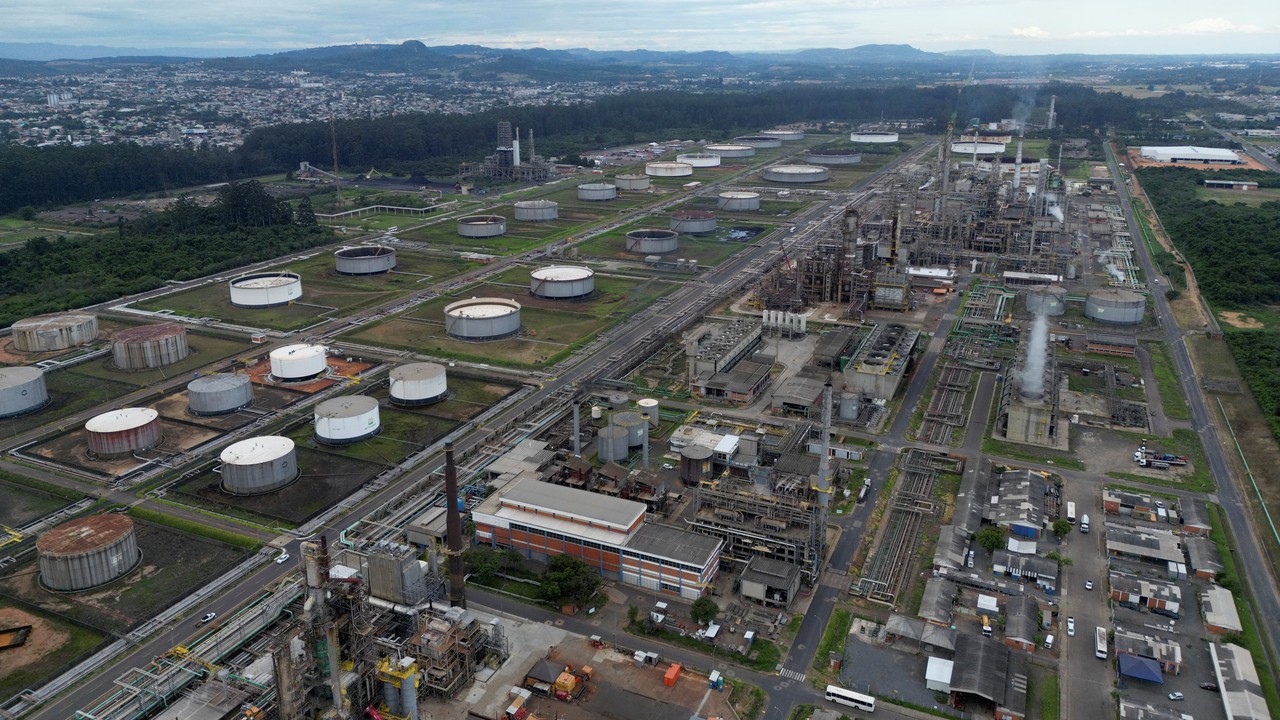
An example of this is the case of thermoelectric plants, where the 9th Federal Court of Porto Alegre determined that Ibama included climate guidelines in the licensing of thermoelectric plants in Rio Grande do Sul. This decision is considered a milestone in the advancement of the climate litigation movement in Brazil.
The original content explores the shift in focus of climate actions in Brazil, moving from the government to the private sector and from deforestation to fossil fuels.
The JUMA study highlights a significant increase in actions related to the inclusion of climate justice explicitly in 16 cases and implicitly in 17.
Legal Risk and the Energy Transition
More than achieving victories in court, one of the goals of these civil society actions is to pressure companies to rethink their investments in fossil fuels and other climate and environmental impact activities due to the associated legal risk. Nicole Figueiredo, the executive director of Arayara, emphasizes the influence of climate litigation beyond the courts.
She cites as an example the blocks in the Amazon River Mouth acquired over a decade ago. TotalEnergies and BP have withdrawn from the region, which is seen as an impact of legal risk in these areas. The director also highlights the effort of dialogue with the government and regulatory agencies to prevent litigation.
Source: EPBR







