Portuguese
  Spanish


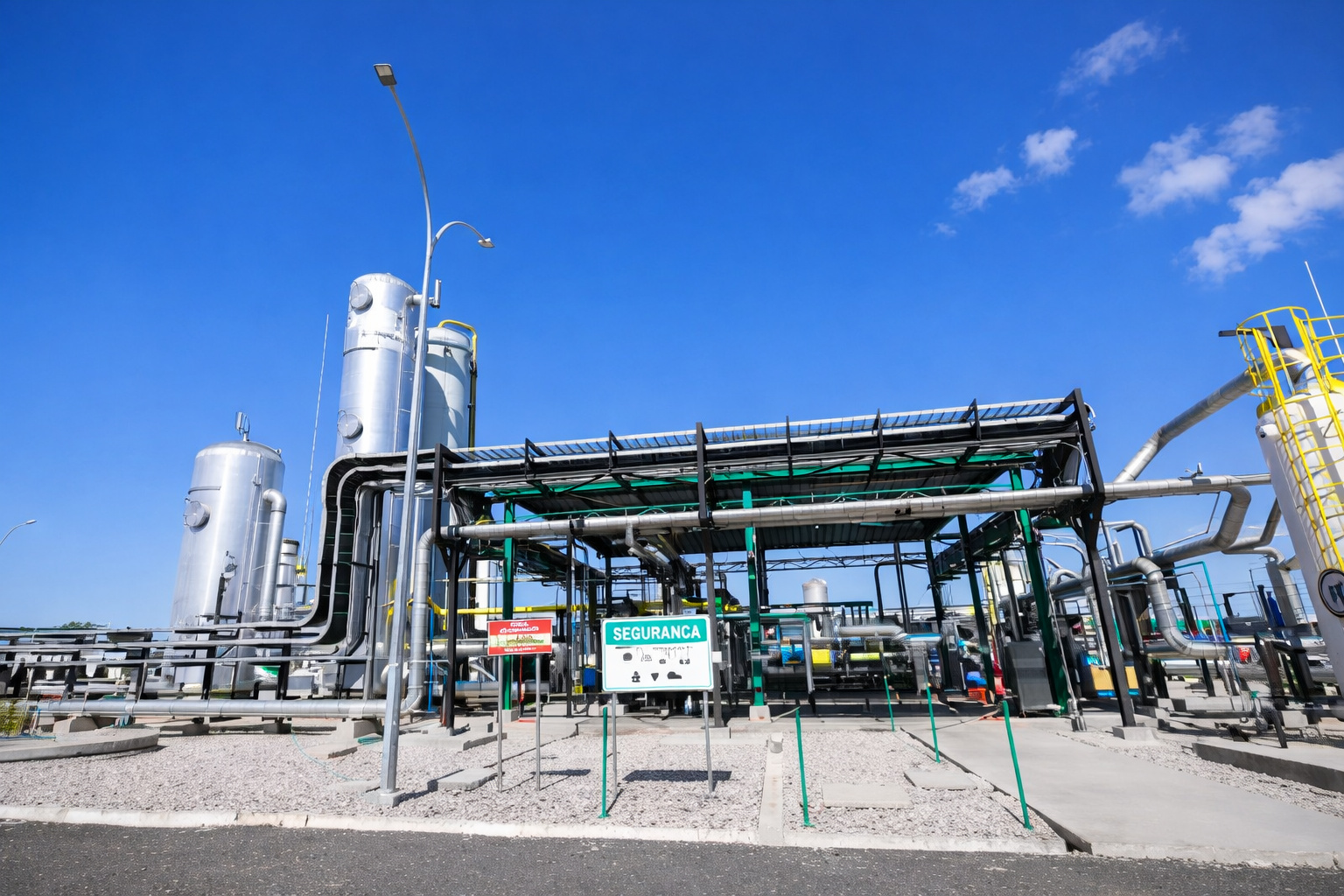

Porto Alegre Transforms Urban Waste into Clean Energy by Investing in Biogas Production, Strengthens the Circular Economy, Reduces Emissions, and Points to a Sustainable and Lasting Path for Brazilian Cities.
For many years, turning waste into an energy source seemed far from the Brazilian urban reality. However, over time, this scenario began to change gradually. Initially, society saw waste merely as an environmental problem. Furthermore, public managers dealt with high collection and disposal costs. However, with the advancement of sustainability discussions, new solutions began to gain traction. In this context, Porto Alegre takes an important step by directing urban waste to biogas production, thus strengthening a movement that unites innovation, environmental responsibility, and a vision for the future.
Currently, biogas production from organic waste is solidifying as an effective alternative to reduce environmental impacts while simultaneously generating clean energy. Thus, this model responds to historical challenges of cities, such as the constant growth of waste generation. Additionally, it contributes to the diversification of the energy matrix. Therefore, by integrating waste management and renewable energy, Porto Alegre advances in more efficient and lasting solutions.
Historically, cities have always faced challenges in defining the proper disposal of waste. For decades, urban solid waste went to landfills or dumps, often without environmental controls. Over time, however, this model showed its limitations. As a result, issues such as soil pollution, water contamination, and increased greenhouse gas emissions emerged. Thus, authorities and society began to seek more sustainable alternatives.
-
Brazil on Track for Record 40.7 Billion Liters of Ethanol in 2026/27 Season, Driven by Corn Ethanol
-
Petrobras Approves $1.2 Billion Refinery in Brazil to Produce Aviation Fuel and Diesel from Plants

-
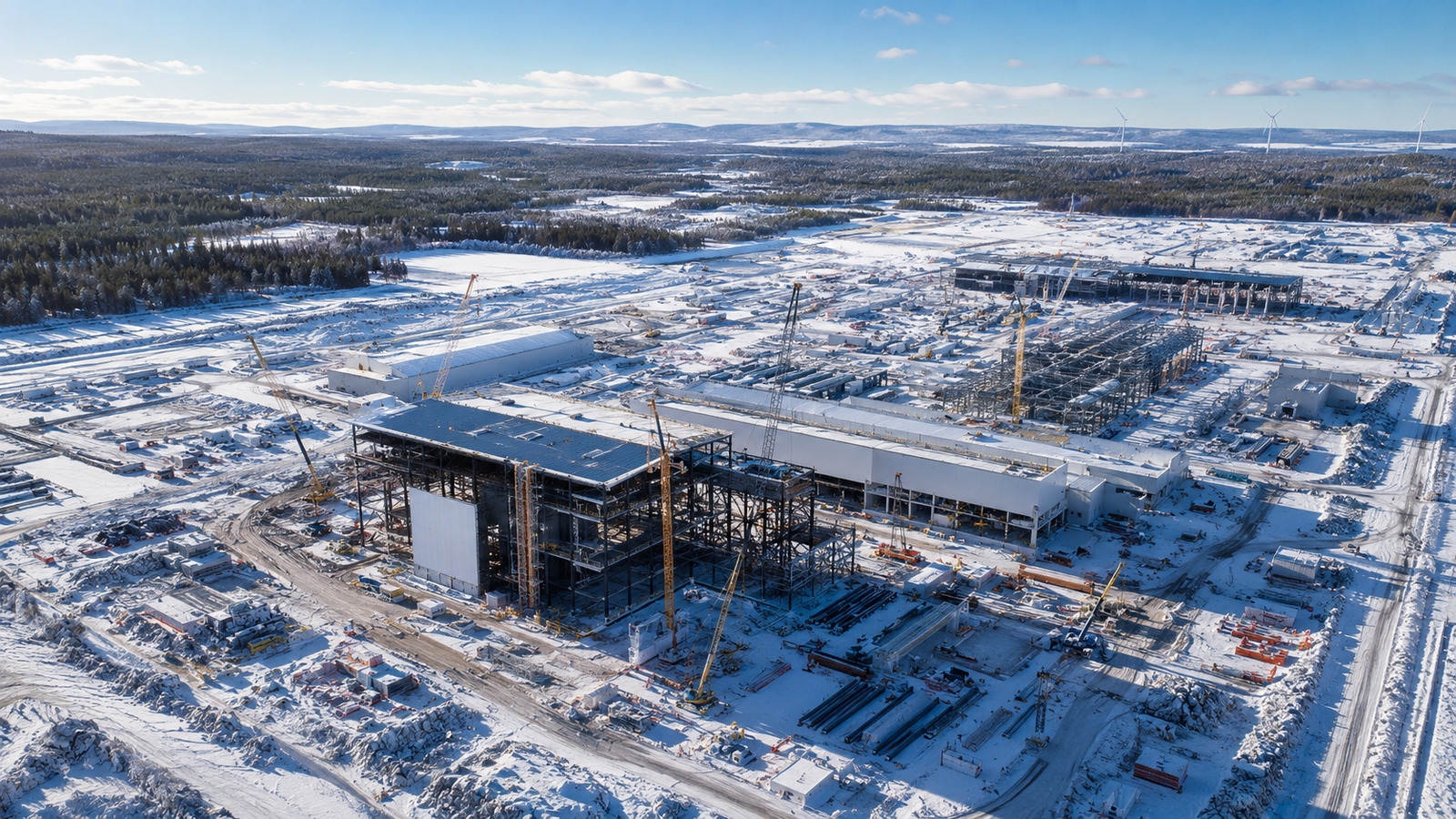
US$ 7 billion, green hydrogen, and steel with up to 95% less CO₂: the first green steel plant on the planet emerges in Sweden and targets Brazil as the next chapter

-
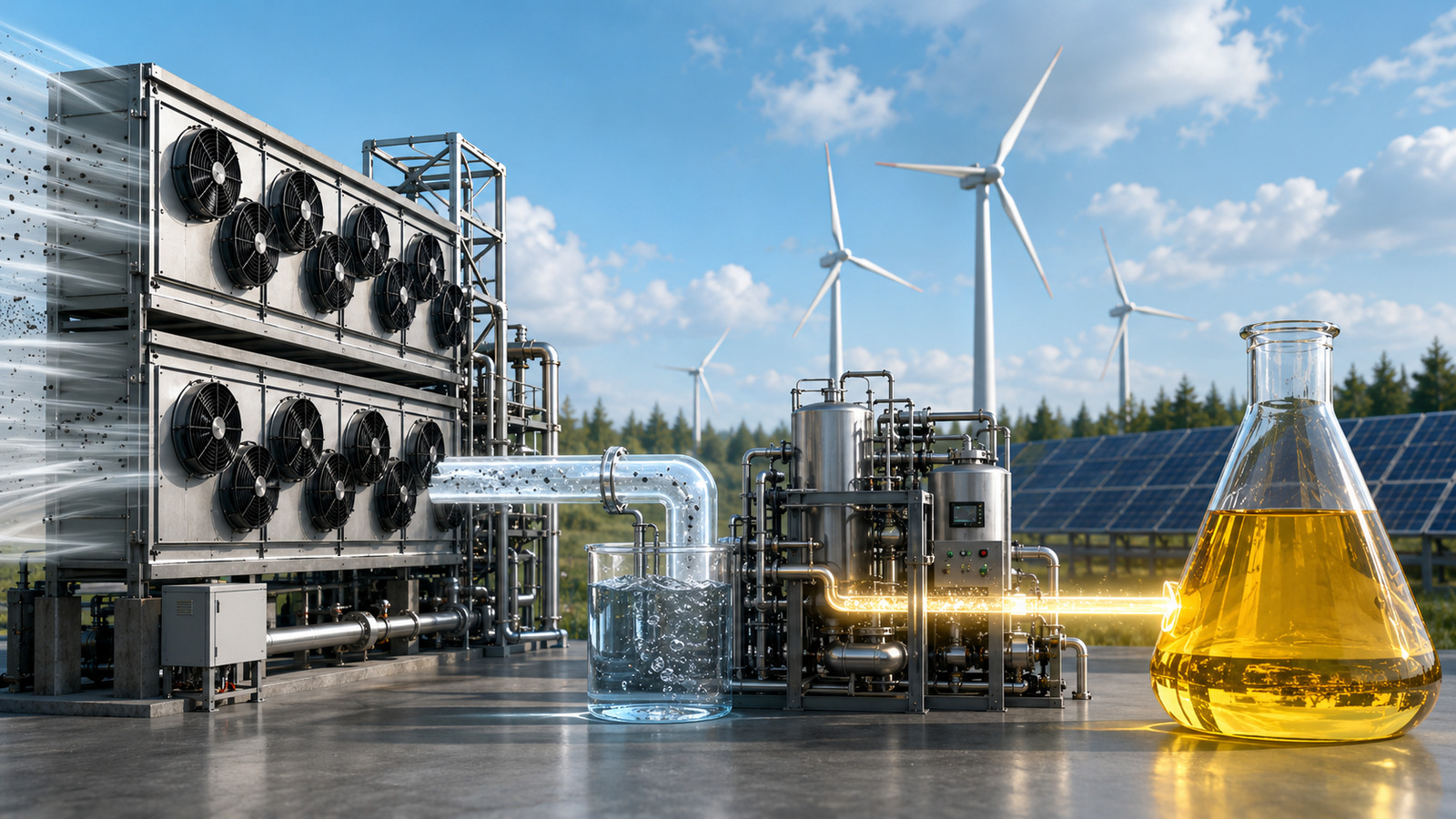
Swedes manage to create synthetic fuel with CO₂, water, and renewable energy, compatible with current engines, but face a huge problem: the energy expenditure is still double the return.

In light of this scenario, it became necessary to see waste no longer as refuse, but as a resource with energy potential. From this change in mindset, pathways for innovative solutions opened up. Consequently, the integration between waste management and renewable energy generation gained strength in various regions.
The Production of Biogas and the Change in Perspective on Waste
In this new context, biogas production assumes a central role. Generally, biogas arises from biogas, which forms from the decomposition of organic waste in controlled environments, such as landfills and biodigesters. Thus, food scraps and household waste, previously seen only as a problem, gain energy utility. In this way, the process reduces environmental impacts and adds value to urban waste.
Moreover, biogas production transforms an environmental liability into a strategic asset. As a result, municipalities reduce dependence on fossil fuels and strengthen the diversification of the energy matrix. At the same time, utilizing biogas improves the environmental performance of landfills, making the system more efficient.
In Brazil, this discussion gained momentum starting in the 2000s. Gradually, public policies aimed at solid waste created a more favorable environment. Subsequently, the National Solid Waste Policy, enacted in 2010, promoted integrated practices. Thus, the production of biogas began to align with sustainability and development goals.
Porto Alegre and the Circular Economy Applied in Practice
Within this scenario, Porto Alegre adopts a strategy that connects waste management and energy transition. By directing part of the urban waste to a specialized plant, the city enhances biogas production and, at the same time, strengthens the circular economy, where materials remain in use for longer.
Thus, waste no longer completes a cycle but starts another. Firstly, organic waste generates biogas. Then, the plant purifies this biogas and transforms it into biogas. As a consequence, the process reduces the amount of waste sent to landfills and extends the lifespan of these areas.
Moreover, this initiative positions Porto Alegre among the cities seeking modern solutions for old challenges. Thus, the integration of public policies, planning, and technology demonstrates, in practice, how innovation can support urban sustainability.
Environmental Benefits of Biogas Production
From an environmental perspective, biogas production generates significant benefits. First, there is a notable reduction in methane emissions into the atmosphere. This gas has a high global warming potential. Therefore, controlling it contributes directly to the fight against climate change.
By capturing biogas and converting it into biogas, the process prevents the uncontrolled release of methane. Additionally, the use of biogas substitutes fossil fuels, such as diesel. Consequently, the carbon footprint of urban activities decreases.
Another important benefit is the improvement in air quality. As a result of using renewable fuels, pollutant emissions drop. Thus, the population benefits, especially in areas with heavy vehicle traffic.
Biogas Production and Impacts on Mobility and Economy
In the transportation sector, biogas fuels trucks, buses, and cargo vehicles. Traditionally, these sectors rely on fossil fuels. However, by investing in biogas production, Porto Alegre creates more favorable conditions for clean solutions in urban mobility and logistics.
From an economic standpoint, biogas production represents a relevant opportunity. On the one hand, the valorization of urban waste attracts investments. On the other hand, it creates direct and indirect jobs. Additionally, it stimulates national technological development. Thus, biogas plants strengthen local production chains.
Furthermore, the sale of renewable fuel contributes to the financial sustainability of the projects. Thus, sectors that adopt biogas can reduce operational costs over time.
The Role of the Population in Biogas Production
However, biogas production directly depends on community participation. Proper disposal of waste in homes, condominiums, and commercial establishments ensures greater efficiency in the process. Without this step, the results are compromised.
When people properly separate organic waste, the biogas generation system operates safer and more efficiently. Therefore, in addition to being technical, the initiative has an educational character. Thus, Porto Alegre encourages active societal participation in urban waste management.
Thus, raising awareness about waste separation becomes an essential step in increasing biogas production. At the same time, it reinforces the circular economy in Brazilian cities.
An Timeless Path for Energy Transition
Over time, biogas production is likely to gain even more relevance in Brazil. After all, the country generates a large volume of urban waste and has accumulated experience in the renewable energy sector. Therefore, the growth potential remains high.
The timeless character of biogas production lies in its ability to adapt to future needs. As cities grow, the pursuit of sustainable solutions intensifies. In this sense, energy utilization of waste remains current, necessary, and strategic.
Finally, by starting biogas production from urban waste, Porto Alegre reinforces its role as a reference in environmental innovation. More than just a one-off project, the initiative represents a structural change. Thus, it shows that sustainability, development, and quality of life can advance together in a lasting manner.