Portuguese
  Spanish


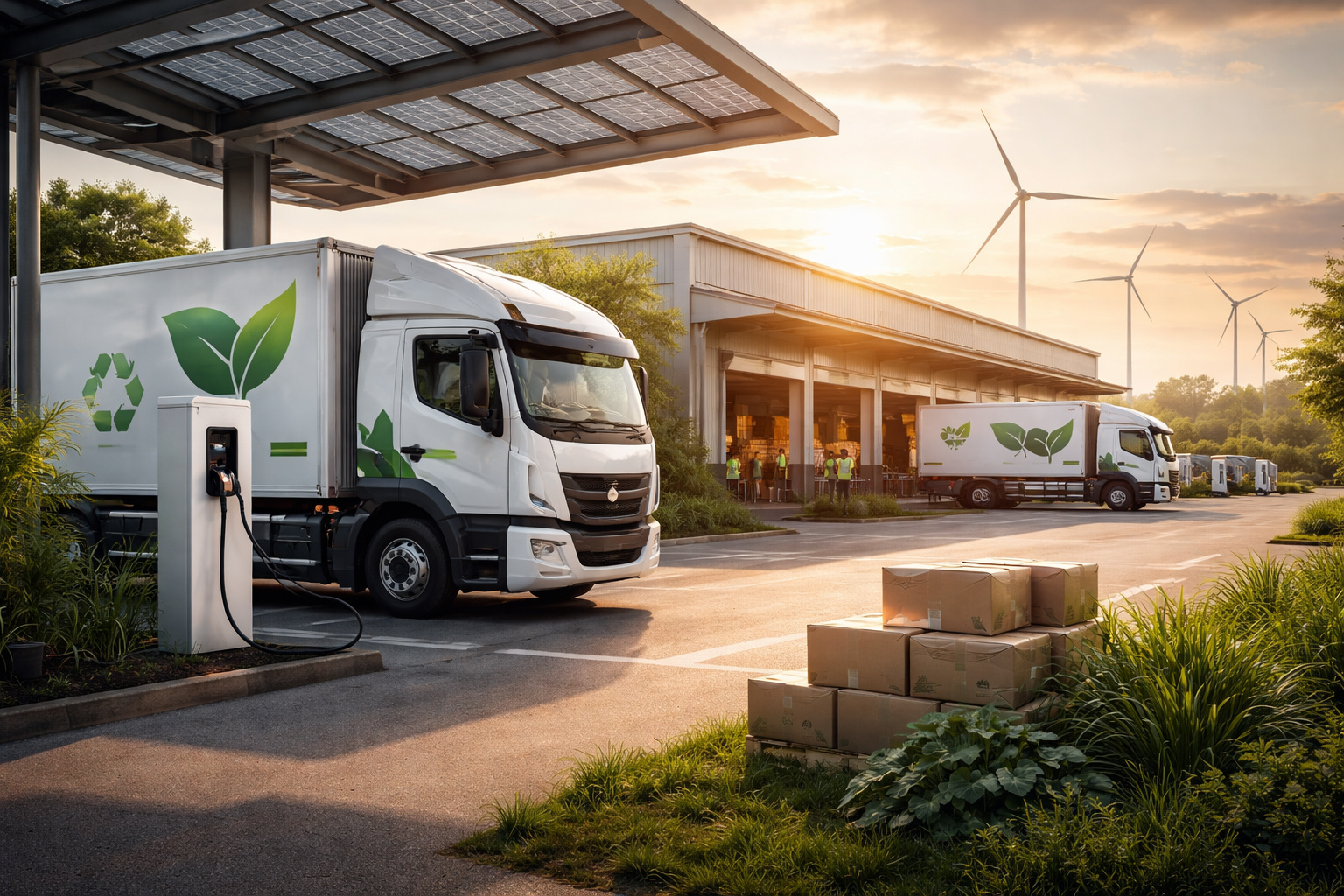


Eco-Efficient Technologies And Artificial Intelligence Take Center Stage In Logistics, A Sector Responsible For A Significant Share Of Global Greenhouse Gas Emissions
Logistics has definitively entered the center of the global climate debate. Amid the intensification of the climate crisis, improving essential services such as last-mile delivery has become a strategic priority. In this scenario, the logistics and transportation sector accounts for approximately 14.4% of global greenhouse gas emissions, according to consolidated data up to 2023.
Despite this, less than half of companies in the sector measure or adjust their environmental impact. This gap was identified in a recent survey by SimpliRoute, a leader in smart routing in Latin America, which monitors the operational and environmental evolution of the segment.
Study Reveals Low Adoption Of Eco-Efficient Technologies
The data from the State of Logistics report, released in 2024, shows still limited progress. Only 23% of companies report using eco-efficient technologies in their logistics operations. Moreover, only 21% invest in emissions offsetting through structured environmental projects.
-
The Port of Itaqui closes the best first semester in history with over 17 million tons and takes off as the locomotive of the Northern Arc.

-
Brazil’s North-South Railway to Auction Two Grain Terminals in Central Tocantins

-
AI-powered traffic cameras in São Paulo now issue fines for cellphone use and seatbelt violations around the clock

-
Free Upgrade to Professional Driver’s License Categories in Over 130 Locations in Brazil, Including Exams and Courses



In this context, route optimization emerges as the main sustainable strategy adopted. According to Sérgio Simões, Growth Director of SimpliRoute in Brazil, operational efficiency is the starting point for any consistent environmental agenda in transportation.
Smart Routing Reduces Emissions At The Source
Even when companies resort to carbon credits, gases continue to be emitted. Therefore, logistics sustainability must address the root of the problem. According to Simões, AI-based routing can reduce transportation emissions by up to 30%, according to technical estimates released in 2024.
Besides reducing emissions, technology allows for decreased fuel consumption, shorter delivery times, and reduced operational waste. Thus, AI ceases to be just an efficiency tool and starts to guide environmental decisions in a structured way.
Pressure From Other Sectors Accelerates Changes In Logistics
Simultaneously, sustainable practices adopted by other segments directly impact logistics. Since 2022, retail has intensified the reduction of plastic use and begun to prioritize recycled materials. As a result, logistics operators have started adopting eco-friendly packaging, sustainable designs, and return programs.
However, these initiatives are still progressing slowly. According to the same study, only 18.8% of companies consistently use sustainable packaging, indicating that a large part of the sector is still in the early stages of adaptation.
Integration Between Technology And Environmental Actions Defines The Path Forward
Although actions such as sustainable packaging and emissions offsetting are relevant, they become more effective when integrated with AI routing. In this way, logistics planning gains precision, reduces costs, and expands environmental benefits.
According to Sérgio Simões, companies need to reaffirm their commitment to innovation and sustainability by adopting smart solutions to reduce their carbon footprint in transportation operations. Thus, the combination of efficient AI-based routing and environmental projects, as observed in 2024, builds a more sustainable, measurable logistics ecosystem aligned with global climate requirements.
In light of this scenario, will the future of logistics be more linked to technological efficiency or traditional environmental offsetting, and which of these strategies should lead the sector’s transformation?