






 Portuguese
  Spanish


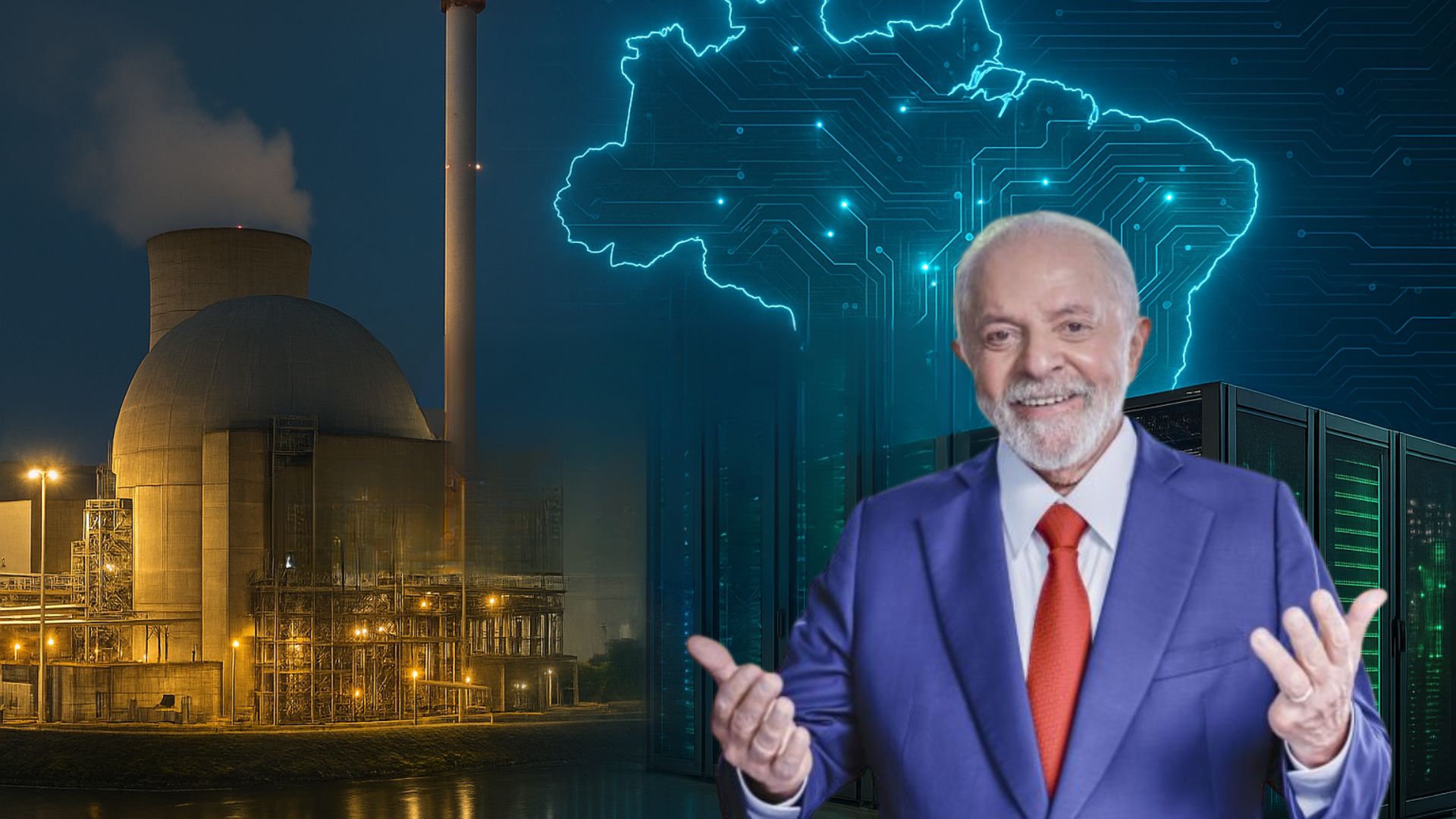


National Strategy Forecasts Leap in Science and Technology, Bets on AI in Portuguese, Multipurpose Reactor, and Return of Researchers to Reduce Dependencies and Expand Autonomy Until 2034.
The federal government presented a ten-year plan to reduce Brazil’s technological dependence and increase investments in research.
The National Strategy for Science, Technology and Innovation 2024-2034 was delivered to President Luiz Inácio Lula da Silva at the 6th meeting of the National Council of Science and Technology and aims to raise public and private investment in science and innovation from about 1.2% to 2% of GDP by 2034, in addition to consolidating projects such as a multipurpose nuclear reactor, the expansion of the Santos Dumont supercomputer, proprietary models of artificial intelligence in Portuguese, and a billion-dollar program for the repatriation of scientists.
Ten-Year Plan for Science and Innovation
The strategy’s motto is “S&T for a Fair, Developed and Sovereign Brazil” and organizes science and technology policy into four major fronts.
-
16-Year-Old from Brazil’s Sertão Wins Young Scientist Award for AI Predicting Rainfall with 94.5% Accuracy to Aid Farmers

-
Netherlands Reports First Child Euthanasia Case Since Rule Expansion for Minors

-
Brazilian Innovator Survives Homemade Submarine Dive in Paraty Despite Hatch Leak and False Oxygen Alarm
-
China Develops Custom 140-Ton Electric Mining Truck with 770 kWh Swappable Battery, Deploys 290 Units in Xinjiang’s Largest Zinc Mine



Expansion and consolidation of the national research system, encouragement of business innovation, sovereignty projects in critical technological areas, and actions aimed at social development structure the document.
The text brings together guidelines discussed at the 5th National Conference on Science, Technology and Innovation, held in 2024 after 14 years, and will now proceed to public consultation until December 20.
Upon receiving the strategy, Lula stated that the plan is integrated with the reindustrialization agenda and that the resumption of industrial policy depends on continued investment in science and technology.
Technological Dependence and Critical Areas
At the meeting, the Minister of Science, Technology and Innovation, Luciana Santos, presented a diagnosis of the country’s main points of vulnerability.
According to her, Brazil maintains a strong external dependence on semiconductors, strategic minerals, fertilizers, pharmaceuticals, clean energy, digital technologies, and climate solutions, sectors considered priorities for national autonomy.
The minister declared that “having sovereignty means reducing dependence” and advocated for a state policy to recover productive and scientific capacity.
Lula reinforced the argument by saying that “he still has not managed to convince businesspeople to invest in research” and that the state needs to act more robustly when private capital does not take risks.
The plan provides for investment of 2% of GDP in research by 2034, in addition to R$ 1 billion over five years for the repatriation of scientists, with R$ 200 million annually allocated to the program.
It also links the innovation effort to the R$ 180 billion intended for the automotive sector within the Nova Indústria Brasil industrial policy.
Scientific Infrastructure: Reactor, Top-Level Laboratory, and Climate Monitoring
The S&T Strategy is integrated into the PAC, which includes large-scale projects to reinforce scientific infrastructure.
Among them is Sirius, the largest electron accelerator in Latin America, which will gain three new light lines and will be integrated with NB4, Brazil’s first maximum biological containment laboratory.
The government claims that the connection between these structures will allow for advanced studies on high-risk viruses, enhancing the national response capacity to pandemics.
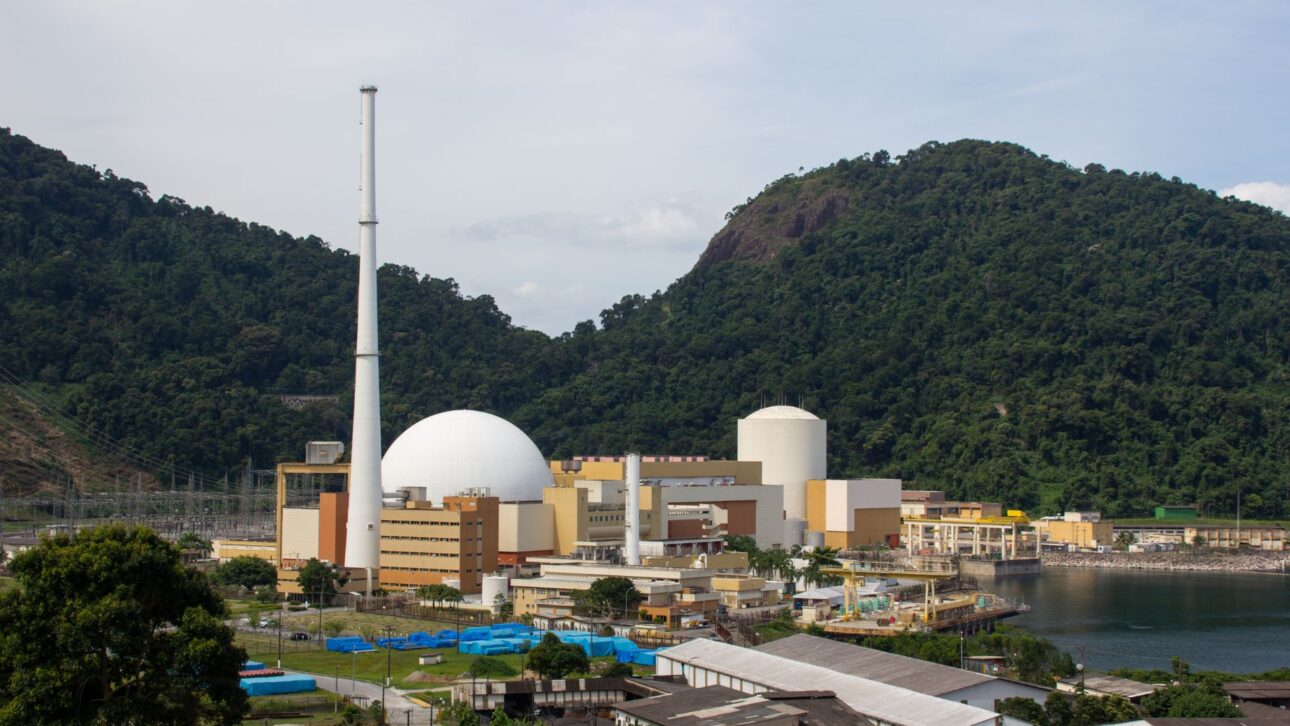
Another central project is the Brazilian Multipurpose Reactor, developed with Argentina, which should reduce dependence on radiopharmaceuticals, currently imported at about 80%.
The plan also reinforces the expansion of Cemaden, which monitors floods and landslides and currently covers 73% of the population in just over a thousand municipalities.
The goal is to extend the service to approximately 1,900 more vulnerable cities.
Artificial Intelligence in Portuguese and Santos Dumont Supercomputer
The Brazilian Artificial Intelligence Plan brings together actions for infrastructure, training, and development of AI solutions in the country.
The government created eight National Institutes of Science and Technology dedicated to AI, focusing on industry, public policies, and language models.
The Santos Dumont supercomputer underwent an upgrade and returned to the ranking of the world’s 500 largest, also integrating the group of the 100 most powerful systems, with a highlight in energy efficiency.
Minister Luciana Santos mentioned Maritaca, noted by experts as one of the most advanced language models in Portuguese, and advocated for the national production of technologies that adequately represent the country.
The government also cited the advancement of the Piauí model SoberanIA, focused on digital sovereignty and use in public policies.
Repatriation Program for Scientists
Among the announcements considered unprecedented is the program for the return of Brazilian researchers living abroad.
The CNPq coordinates the action, which provides for R$ 1 billion over five years.
More than 2,500 researchers have shown interest, with 599 projects approved, 248 ready for invitation, and 251 in the planning phase for return.
About 34% of the projects involve networks with institutions in the North, Northeast, and Central-West to reduce regional inequalities in scientific production.
The government also updated CNPq rules to avoid career setbacks for female researchers after maternity leave.
Six programs support women in science, including an initiative of R$ 100 million, with 6,000 beneficiaries.
Defense, Military Innovation, and Civil Applications
The Minister of Defense, José Múcio, stated that countries in the Global South face additional obstacles to achieving technological autonomy.
According to him, complex military projects act as engines of innovation.
Examples cited include the Navy Nuclear Program, the cargo plane KC-390, and actions for cyber defense using AI and quantum computing, technologies that later find civil applications.
Commitment to Science and International Climate Dispute
Lula concluded the meeting reaffirming commitment to science after years of cuts and denialism.
He also mentioned COP30, arguing that Brazil holds a prominent position in the energy transition.
The president stated that the country already operates with 53% renewable energy, while European nations project lower targets for 2050.
In the electric matrix, about 90% of national generation comes from clean sources.
The set of goals presented by the government — which involves a nuclear reactor, supercomputer, AI in Portuguese, national production of inputs, and repatriation of scientists — raises the question: will it be sufficient to durably reduce Brazil’s technological dependence in the coming decades?






Se não for mas já é o começo da independência
IMAGINEM O TANTO DE DINHEIRO PÚBLICO QUE ESSA QUADRILHA COMANDADA POR ESSE GOVERNO VAI DESVIA (ROUBAR) SE ESSAS OBRAS SAIREM DO PAPEL.
ALEM DE QUE NAO SERÃO CONCLUÍDAS.
JA VIMOS ISSO ACONTECER NUM PASSADO NEM TÃO DISTANTE.
LULA E BOM COM ARROZ E BRÓCOLIS.
Bela mentira, Brasil não tem dinheiro para o básico para a população, imagina construir reator de bilhões de dólares, até 2034 as IAs vão estar obsoletas, ciência e tecnologia a gente ensina desde o primário escolar, para que a população cresça sabendo que a ciência é importante, coisa que nunca foi feita pelos governos petistas, ele só recorrem a ciência e tecnologia quando querem fazer propaganda para si mesmos!