Portuguese
  Spanish


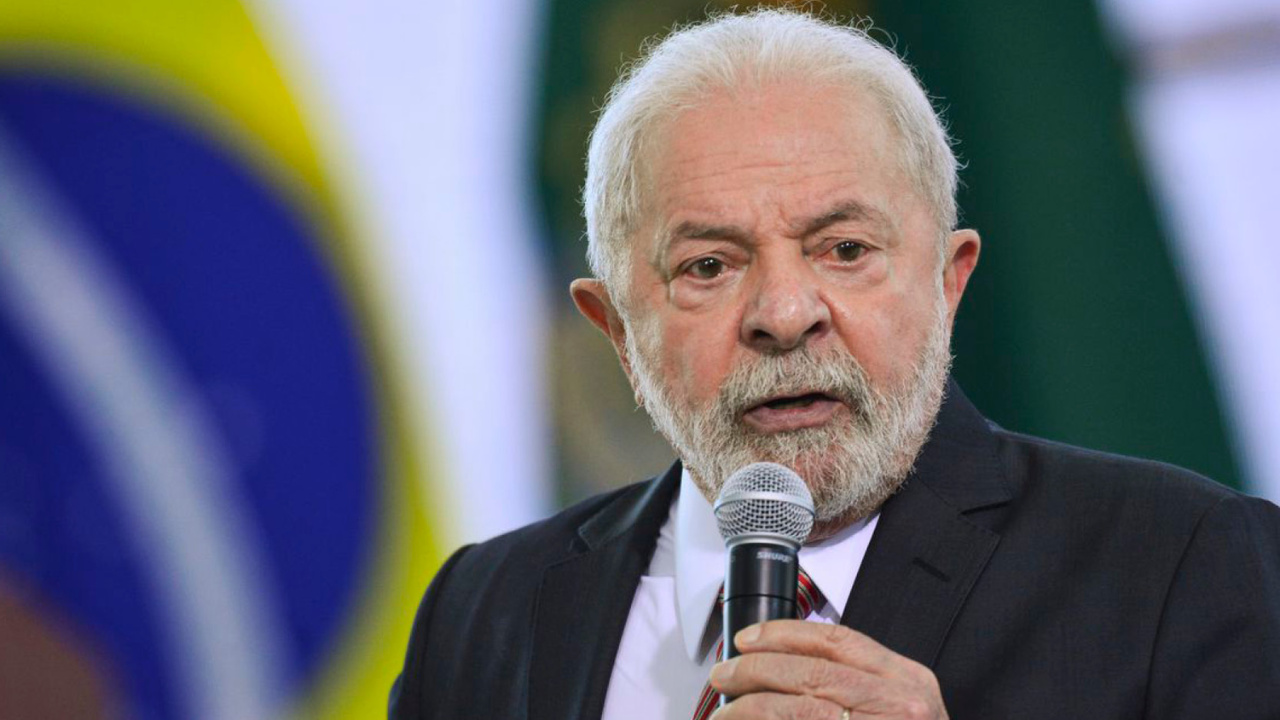

During Event on Sustainable Fuels, Lula Affirmed That There Is a “Commotion” Surrounding Oil Exploration in the Equatorial Margin and Emphasized That Research Will Occur With Environmental Responsibility and Focus on Energy Transition.
In a statement made this Thursday (30), President Luiz Inácio Lula da Silva (PT) commented again on the exploration of oil in the Equatorial Margin, one of the most debated regions in the Brazilian energy sector. According to the head of the Executive, there is an unnecessary “commotion” surrounding the topic, stressing that the country needs to advance in the research of new energy sources without compromising the environment.
“There is a commotion in Brazil about the exploration of oil in the Equatorial Margin. The Ibama license has been granted for Ibama to begin research,” Lula declared during a press conference.
President Highlights Balance Between Exploration and Sustainability
Lula’s speech occurred during a meeting with representatives of the automotive industry, focused on the discussion of sustainable fuels and energy transition policies. The president took the opportunity to defend Brazil’s role as a global example in reconciling economic development with environmental preservation.
-
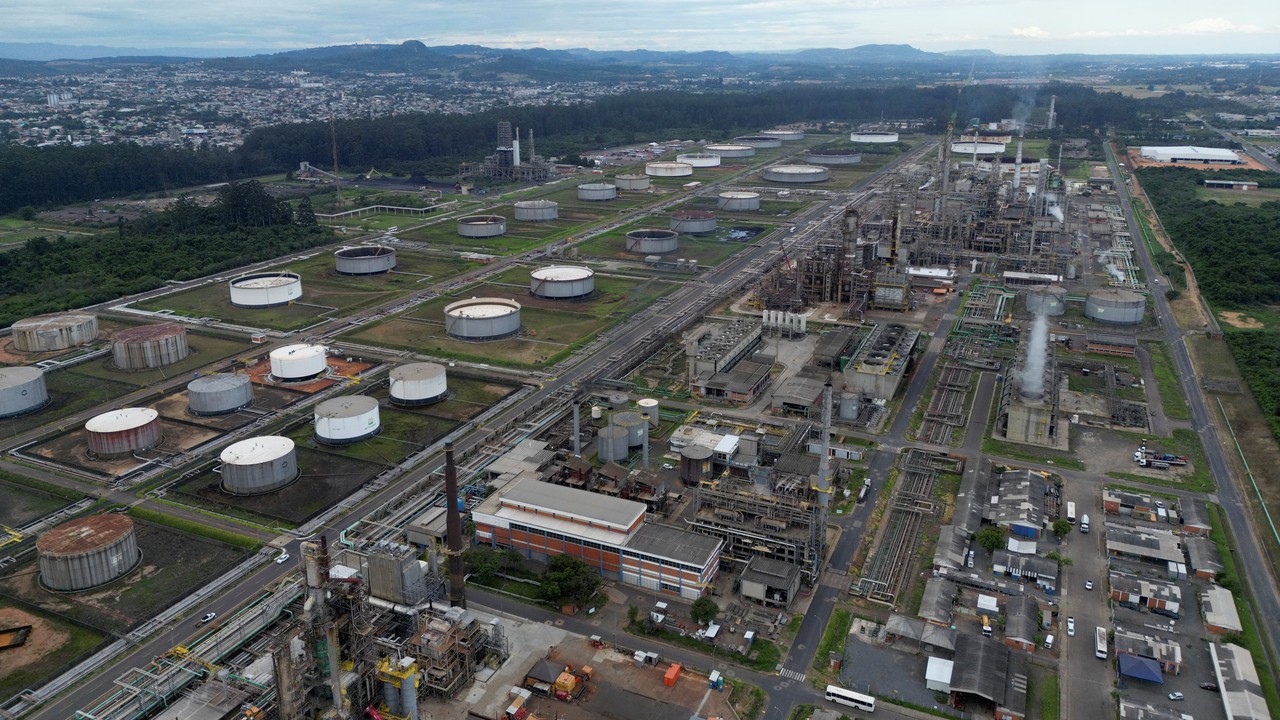
With a record production of nearly 3 million barrels per day, Petrobras resumes importing diesel in July, highlighting the bottleneck in Brazilian refining.

-
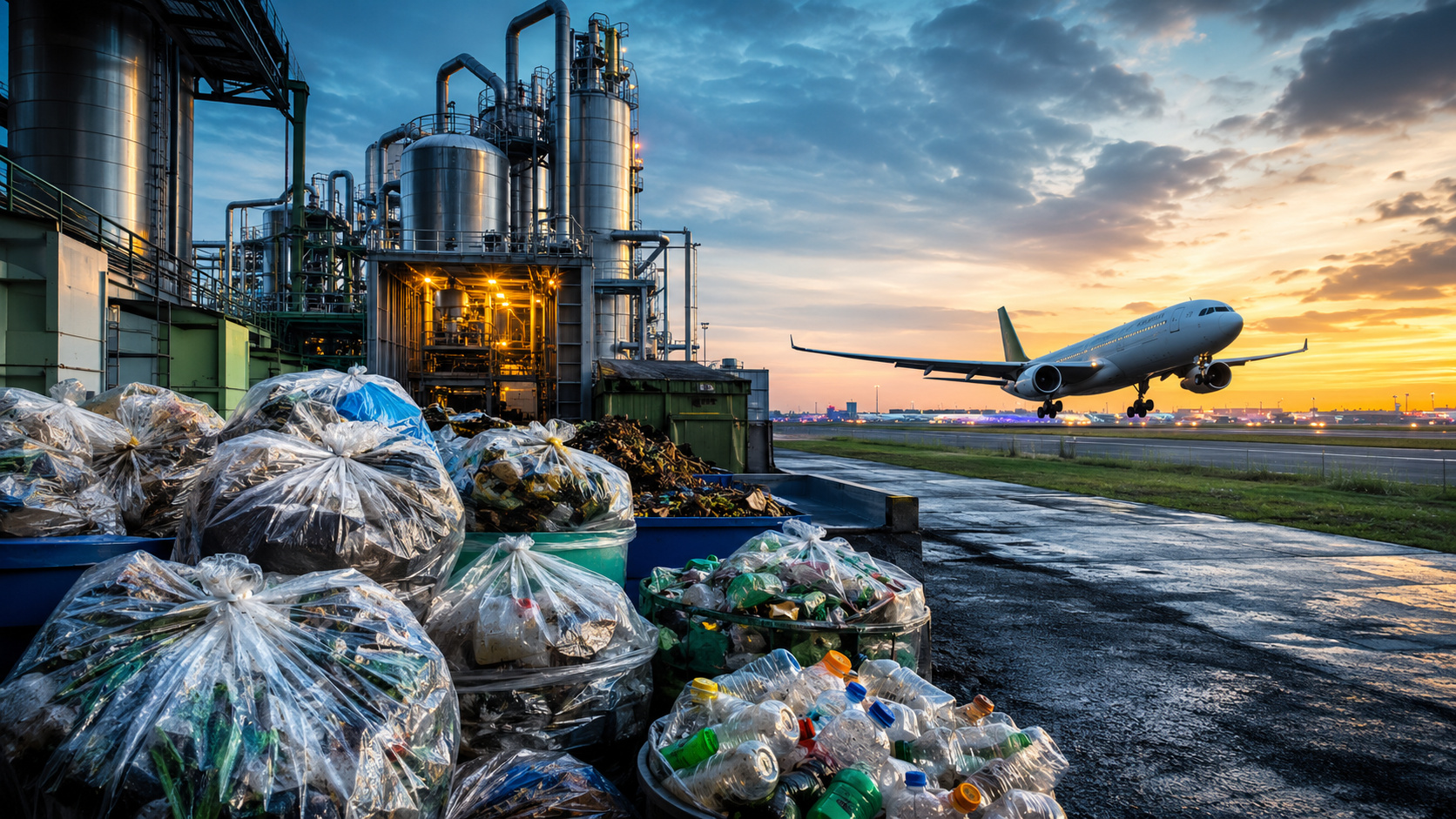
Qantas and Airbus Invest in Company Aiming to Convert Unsorted Household Trash into Jet Fuel

-
Brazil’s ANP Opens 86 New Oil Blocks in the Equatorial Margin, Expanding the Amazon River Mouth Frontier

-
OPEC+ Boosts Oil Supply by 188,000 Barrels per Day in July 2026, Leading to Price Drop from $112 to $89 per Barrel in Under Two Months
“I have said that it is not possible for anyone to give up fossil fuel overnight,” he said. “It is necessary to construct the end of fossil fuel usage and, for that, we have to research the Equatorial Margin with the care that the environment demands.”
The member of the Workers’ Party also added that the country must demonstrate responsibility and leadership in the energy transition process, highlighting Brazil’s potential to be “the most perfect” in this movement.
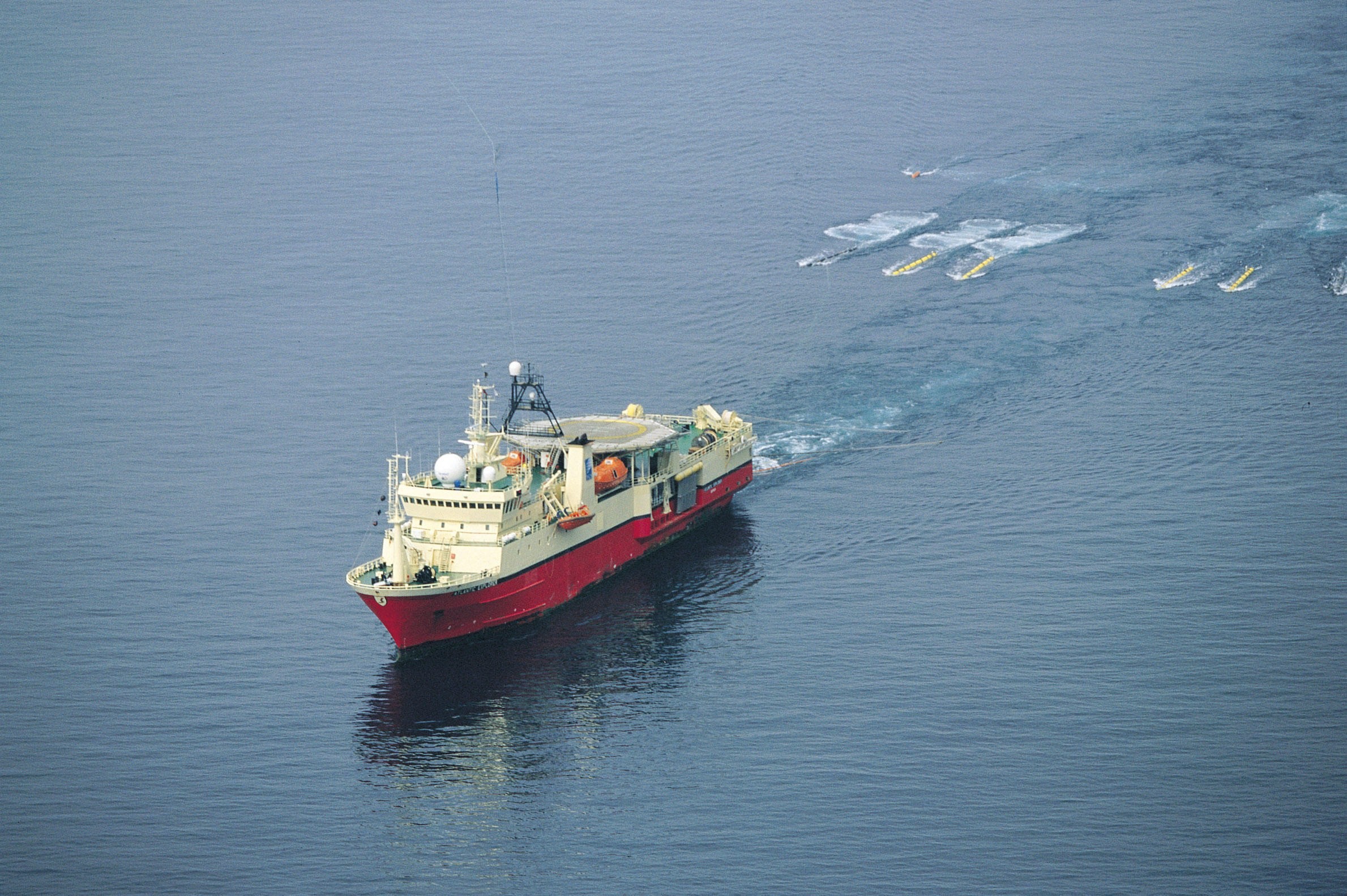
Petrobras Begins Drilling in the Equatorial Margin After Ibama License
Lula’s statement comes days after Petrobras announced that it received authorization from the Brazilian Institute of the Environment and Renewable Natural Resources (Ibama) to begin exploratory activities in block FZA-M-059, located in deep waters off Amapá.
According to the state-owned company, the well is situated approximately 500 km from the mouth of the Amazon River and 175 km from the coast. The drilling rig is already positioned, and the process is expected to last about five months. The goal is to collect data on the oil potential of the region, considered strategic for the future of national production.
Authorities Emphasize Importance of Energy Debate
The event was attended by several authorities from the sector, including Vice President Geraldo Alckmin, Minister of Mines and Energy, Alexandre Silveira, and National Secretary of Oil, Natural Gas and Biofuels, Renato Dutra. Representatives from the industry also participated, such as Luiz Carlos Gomes de Moraes, Director of Communication and Institutional Relations at Mercedes-Benz, and Erasmo Carlos Battistella, President of Be8.
Additionally, Denis Güven, President of Mercedes-Benz in Latin America and Brazil, and Moisés Selerges, President of the ABC Metallurgists Union, were present at the meeting. The main objective of the dialogue was to discuss solutions for a gradual energy transition, which includes the development of biofuels, new technologies, and the conscious utilization of the still available oil resources in the country.