Portuguese
  Spanish


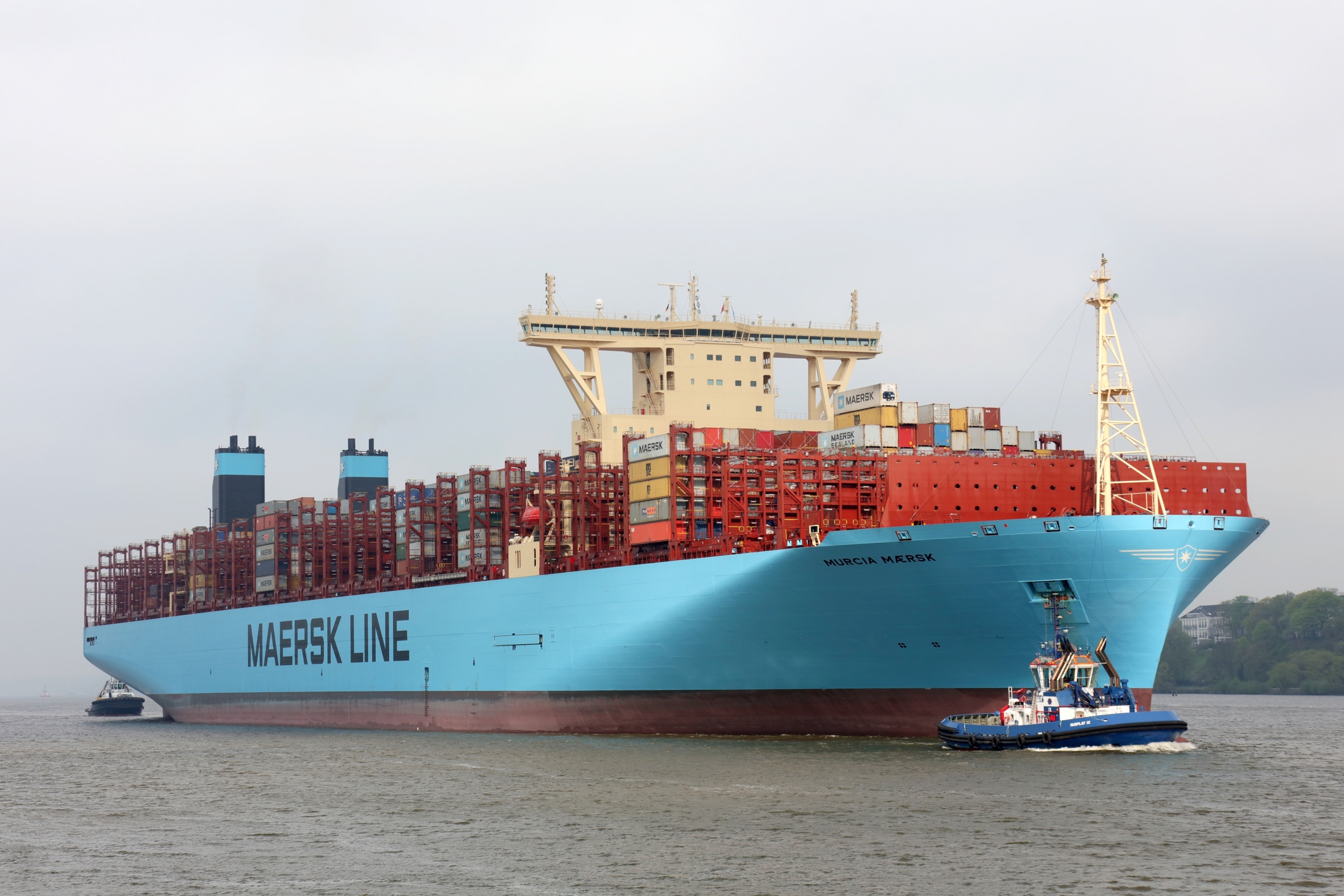

Maersk Vessel Crew Members – One of the Most Powerful Companies in Maritime Logistics – Have Been Collecting Data for Years. And Now All This Information Will Be Shared with the Scientific Community.
The supply of ocean weather data from Maersk aims to assist climate research and weather forecasts where ground-level data coverage is sparse, with most coming from satellite observations.
These satellite weather observations still have limitations. Thus, with the information from this one of the world’s most powerful maritime logistics companies, the trend is to analyze and generate quality information at various levels.
The ocean weather data to be publicly provided by Maersk consists of historical and future observations about the climate. Consequently, this climate information can be used freely by the scientific community worldwide for new and enhanced research actions.
-
They exchanged the idea of a large house for a 35 m² warehouse, spent US$ 12,000 on the structure, and created a tiny house in Colorado with space to live and work.

-
With two giant sails instead of relying solely on the engine, a modern cargo ship crosses the Atlantic carrying cars, forklifts, and goods to test using less diesel in maritime transport.
-
While modern cities rely on pumps and electricity, in Iran, ancient tunnels carried water through the desert using only slope and gravity.
-
Instead of sending families far from the city, a project in Chile intentionally created incomplete houses on expensive urban land and left technical space for each to grow.



The data collected by Maersk ships dates back to 2012 and is expected to increase publicly available ocean weather data by 28%.
These climate observations can provide a more accurate view of ocean surface conditions and interactions with the atmosphere that have evolved since 2012.
Maersk’s data history includes over 9 million observations. All this climate data will be shared through the Global Ocean Observing System – GOOS (Global Ocean Observing System) – which collects ocean meteorological observations and provides information for weather forecasts – jointly managed by UNESCO and the World Meteorological Organization (WMO).
See Also:
- Maersk and The Ocean Cleanup Validate Technology Capable of Cleaning Rivers and Oceans to Achieve a 90% Reduction of Floating Ocean Plastic by 2040
- Maersk Says It’s Too Early to Know If There Will Be Impacts on the Global Logistics Chain Due to the Omicron Variant and Outlines Prospects for 2022 Amid Container Crisis
Ocean Weather Data Will Be Fueled by About Seven Thousand Weather Observations per Day by Maersk
With all 300 vessels owned by Maersk sharing data multiple times a day, the company estimates that more than 7,000 observations will be made daily. Some vessels are even providing real-time data to weather services worldwide.
Several of the company’s ships have automated weather stations installed in collaboration with the German National Meteorological Service. These devices, also called data collection platforms (PCD), are towers with various automatic sensors that measure meteorological parameters.
These measurement stations collect a broader variety of data with higher quality, further optimizing contributions to weather forecasts and climate science.
Regarding access to ocean weather data, a researcher from the Helmholtz Centre for Ocean Research (GEOMAR) in Kiel, Germany, says he is excited as a member of the scientific community and that “this will help better constrain past conditions of the ocean surface, as well as improve future weather and climate forecasts.”
For Maersk’s Head of Maritime Standards, Aslak Ross, “climate change is undoubtedly one of the greatest challenges facing the global community.”
“We have set a strategy to achieve zero carbon emissions by 2040, but we are also committed, as part of our ESG strategy, to contributing to science through data collected from our vessels. This has been an opportunity to digitize weather observations,” concludes Aslak Ross.