






 Portuguese
  Spanish


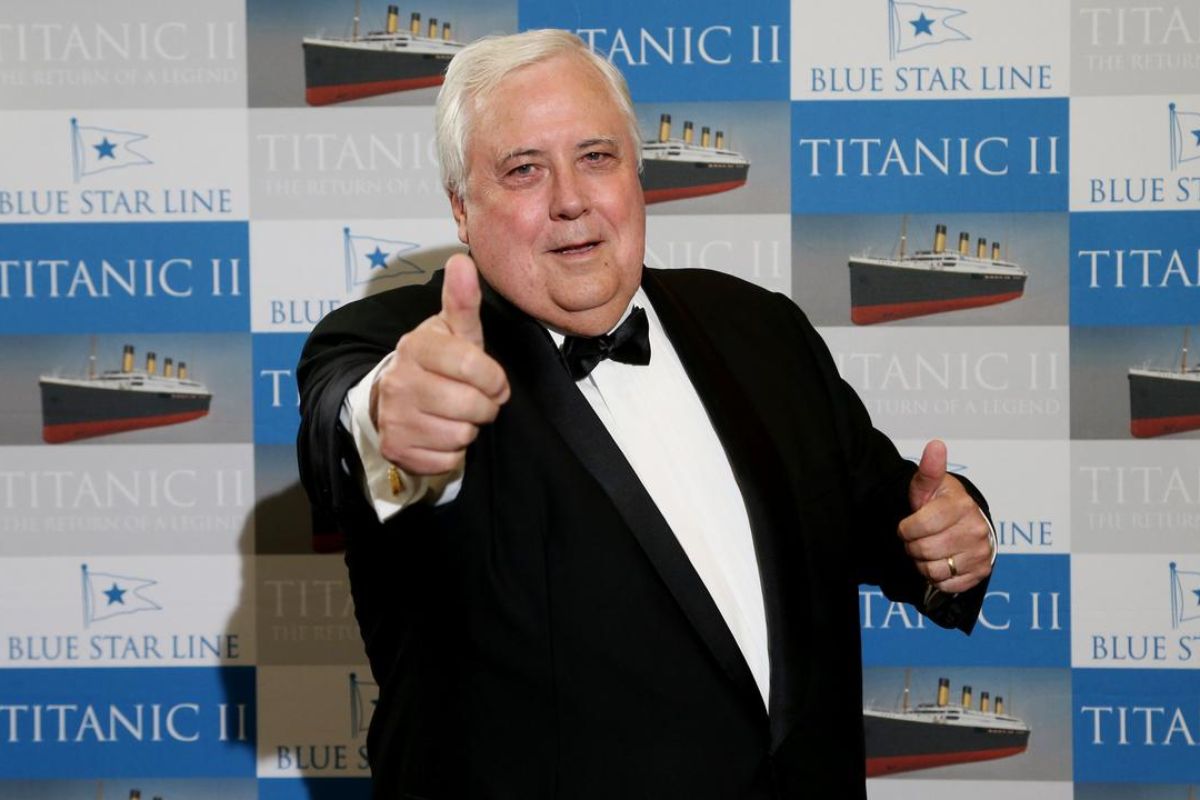


The Australian Magnate Clive Palmer Relaunches His Ambitious Titanic II Project. Get to Know the Plans, the Current Status of the Project in 2025, Its Challenges, Controversies, and the Search for a Shipyard.
The idea of recreating the most famous ship in history has gained momentum again. The Australian magnate Clive Palmer has once again announced his plans to build the Titanic II, a functional replica of the legendary transatlantic liner, promising an inaugural voyage in June 2027.
We will investigate the current status (2025) of the construction, the design details that blend authenticity and modernity, the financial and ethical challenges, and the real likelihood of the Titanic II ever sailing, based on a thorough analysis of the facts.
Clive Palmer’s Vision: Why Recreate the Most Famous Ship in History?
At the heart of the project is the Australian businessman and politician Clive Palmer. His vision is to build the “ship of love and the ultimate expression of style and luxury”. Palmer claims that it is “much more fun to make the Titanic than to stay home counting my money,” revealing a personal motivation and a desire to leave a legacy.
-
$134.7 Million Project in São Paulo Installs Over 5 Kilometers of Pipes, Creates New Underwater Crossing to Boost Water Supply for Over 450,000 People

-
At 61, Former Homeless Wheelchair User Receives Key to Container Home in Brazil, Declares Independence
-
São Paulo Highway to Receive Over $260 Million in Upgrades, Including 90 Kilometers of Service Roads and New Infrastructure, by 2027
-
Couple Transforms Abandoned Seaside Public Restroom Bought for £33,000 into £295,000 Beach House After a Decade of Renovations




The project aims to capitalize on the public’s fascination with the original ship, promising an “authentic Titanic experience.” However, this creates an “authenticity paradox.” While striving to replicate interiors and encourage period clothing, the ship needs to meet modern safety and comfort regulations, which distances it from an exact replica.
The Timeline and Current Status (2025) of Titanic II
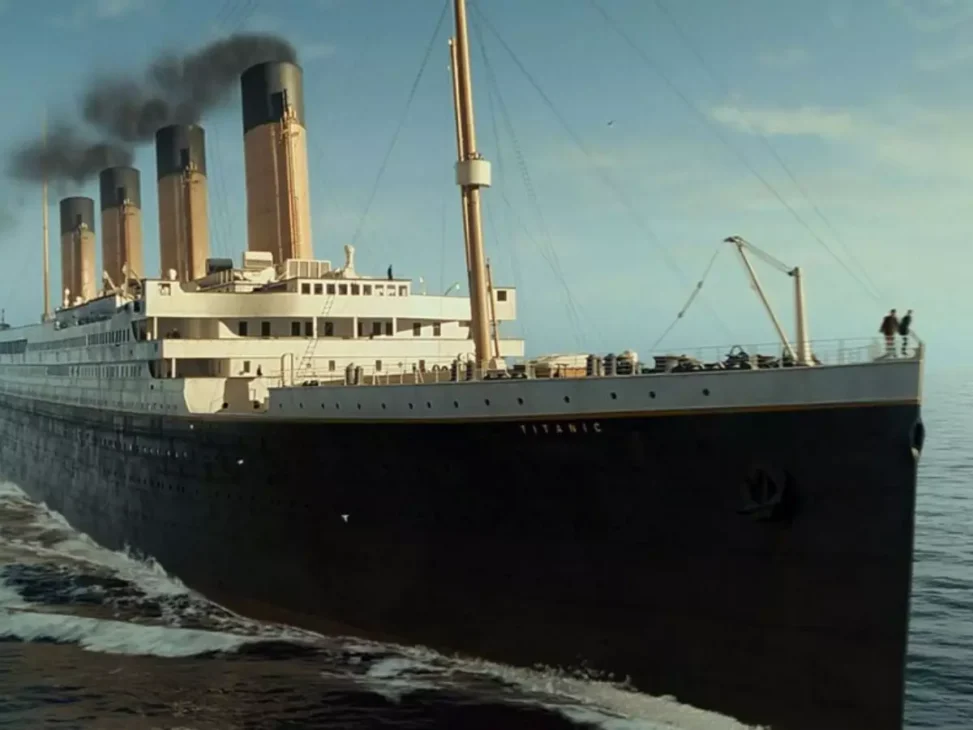
The saga of the Titanic II began in 2012, with a planned launch in 2016. The project was suspended in 2015 due to Palmer’s financial disputes. It resurfaced in 2018 with a new date for 2022, but again fell into a period of silence.
In March 2024, Palmer relaunched the project with a new timeline. He projected the start of construction in the first quarter of 2025 and an inaugural voyage in June 2027. However, construction has not begun. Currently, in mid-2025, the project is struggling to find a European shipyard, and options in China are being considered again. The status of the project is variable, and its future is uncertain.
What Will the Design of Titanic II Look Like?
The Titanic II aims to meticulously replicate the interiors and the layout of the cabins of the original ship. The Grand Staircase, Café Parisien, and dining salons will be recreated. Historians and specialized designers have been involved to ensure historical accuracy.
However, several alterations are mandatory for safety and feasibility reasons:
Hull and Propulsion: The hull will be welded, not riveted, and wider for greater stability. Propulsion will be diesel-electric, more efficient and cleaner than the original steam engines. The iconic smokestacks will be largely cosmetic.
Safety Deck: An additional “safety deck” will be built to accommodate modern lifeboats with capacity for everyone on board.
Technology: The ship will feature modern navigation, communication, air conditioning, and emergency staircase systems.
The Feasibility, Costs, and Ethics of Recreating Titanic II
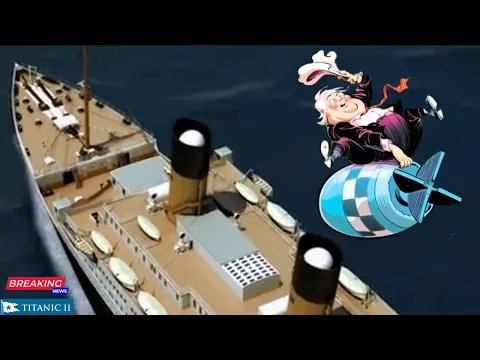

Industry experts and analysts look at the Titanic II with skepticism. The project’s cost is estimated to be between US$ 500 million and US$ 1 billion, funded by Clive Palmer’s personal fortune, making the project dependent on his interest and financial capability.
The long-term financial viability is questioned. There is no significant market for traditional transatlantic liners, and the Titanic II will have fewer amenities (such as balconies, pools, and large casinos) than modern cruise ships. Another critical point is the ethical debate. Many consider it disrespectful to replicate a ship associated with a tragedy that resulted in the loss of over 1,500 lives. Palmer, on the other hand, frames the project as a tribute.


