Portuguese
  Spanish


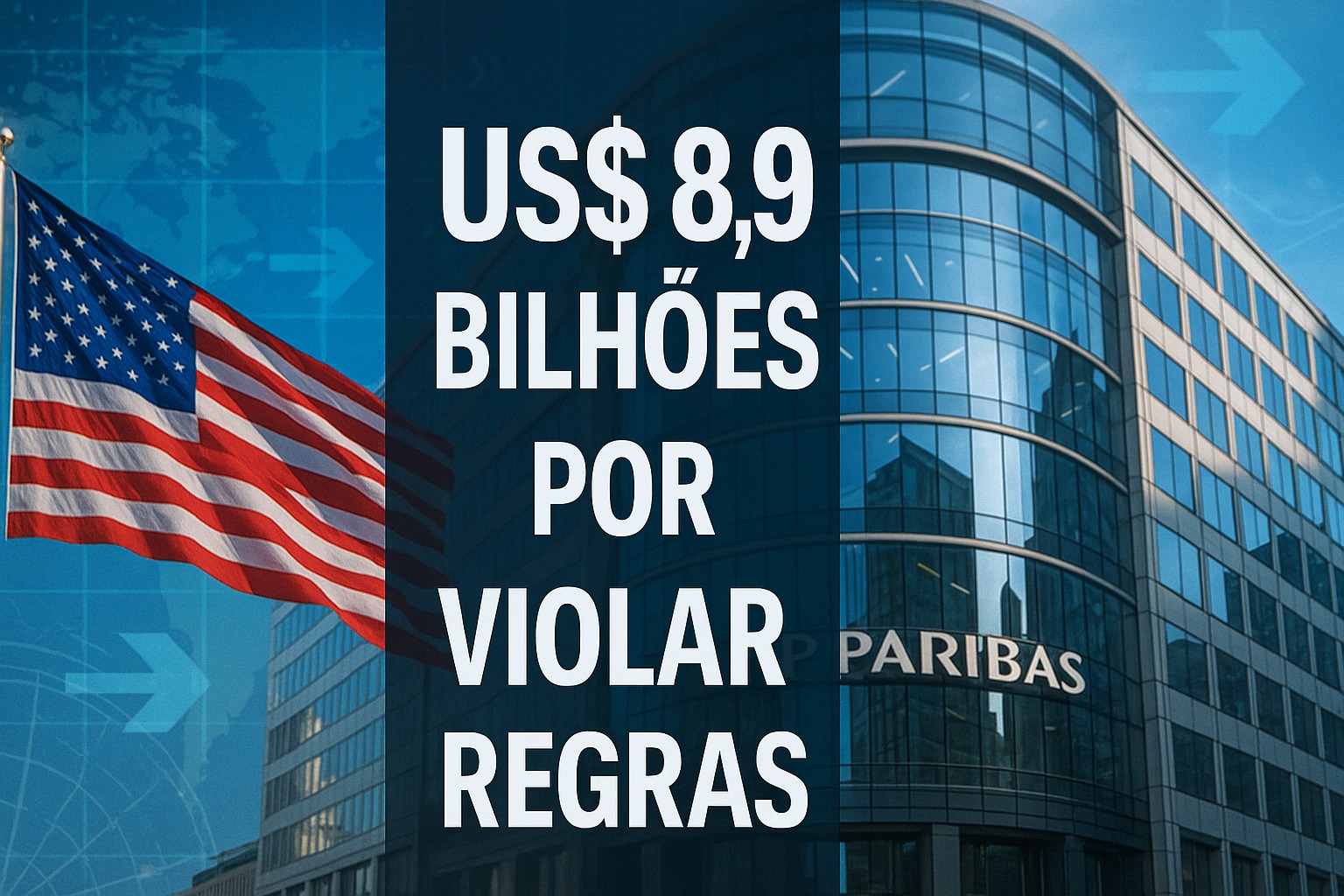


BNP Paribas Accepted To Pay Record Fine In The United States After Violating International Sanctions, And Now The Discussion About Financial Limits Reaches The Supreme Court, Involving Alexandre de Moraes And Action Filed By Deputy Lindbergh Farias
The largest bank in France, BNP Paribas, faced one of the harshest penalties imposed by the United States in 2014. The institution was forced to pay a fine of US$ 8.9 billion for violating restrictions imposed by the so-called Magnitsky Act, now applied against Minister Alexandre de Moraes of the Federal Supreme Court (STF).
The punishment was based on transactions carried out between 2004 and 2012. American authorities considered illegal transactions totaling US$ 30 billion with Cuba, Iran, and Sudan.
These countries were on lists of international sanctions and could not receive financial transactions in dollars.
-
A person from Minas Gerais started as an intern at a technology company, left convinced they wouldn’t return, created their own consultancy, and came back as a partner before becoming president and increasing the revenue from R$ 25.6 million to over R$ 100 million.

-
Hurry: Wikipedia pays up to R$ 2,500 for those who write about Minas Gerais, contest entries end on July 10, 2026, and even beginners can “earn,” with prizes starting at R$ 200.

-
A city with 8,000 inhabitants will receive R$ 25 billion to host the largest single-stage pulp mill in the world, with a production of 3.5 million tons per year and a cost of R$ 45 million.
-
He left India for Oman in 1976, entered through the door of luxury finishes, and took Sobha to the premium real estate market in the Middle East.


BNP Paribas chose to accept the penalty to close the case. Therefore, in addition to the billion-dollar fine, the bank was prohibited from conducting certain transactions in U.S. currency.
It also had to dismiss 13 employees directly linked to the irregular negotiations.
Magnitsky Act: Debate In Brazil
In Brazil, the situation of Alexandre de Moraes raises similar doubts. Banks and authorities are still analyzing how they should act in light of the U.S. decision.
The main question is to define which financial transactions can or cannot be maintained by the minister.
Moreover, the discussion has reached the Supreme Court. Deputy Lindbergh Farias, leader of the PT, filed a motion requesting that Brazilian banks do not impose restrictions on the magistrate.
The case was assigned for review by Minister Cristiano Zanin, who will now have to evaluate the request.
With information from Metrópoles.