Portuguese
  Spanish




The Lula Field, The Largest Oil Producer in The Country, Recorded A 7.4% Decrease In Extracted Volume In February
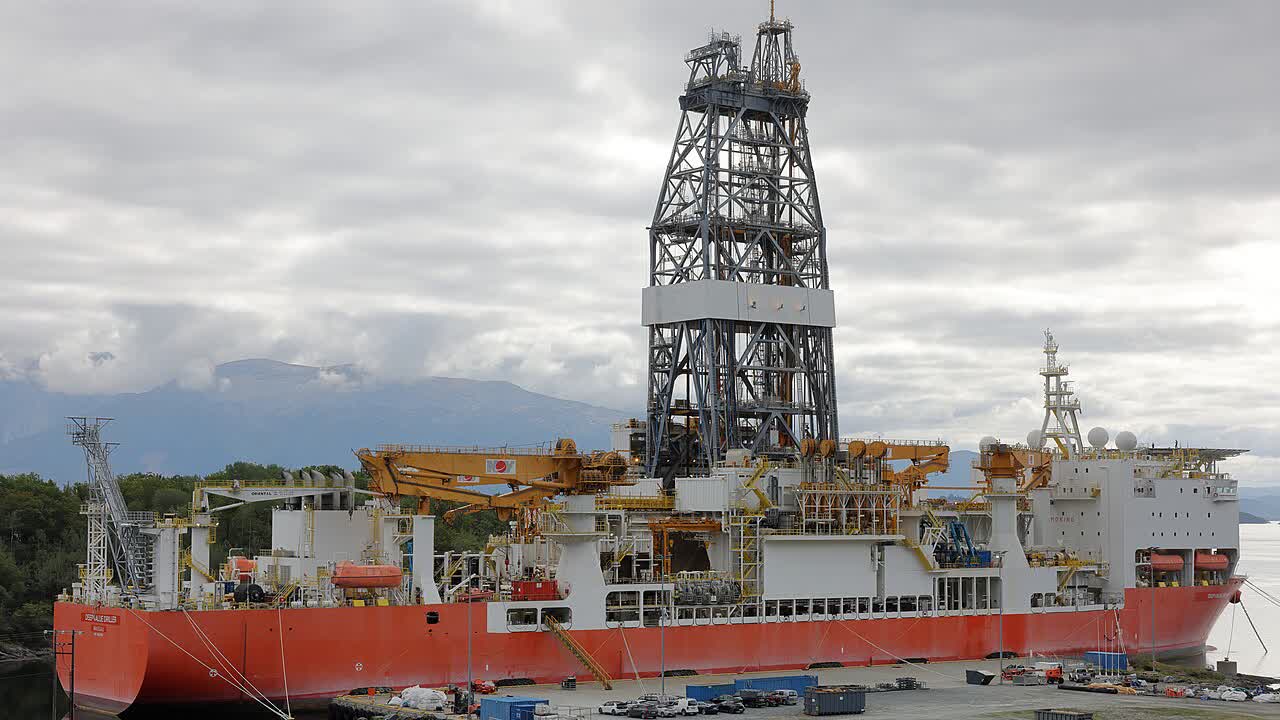
974,3 thousand barrels of oil were produced by the Lula field in February, the largest oil-producing field in the country. This figure represents a decrease of 7.4% in the extracted volume. The gas production from the field also decreased, by 6.25%, totaling 41.3 million cubic meters.
See Also:
- Select Process Started Today For Professionals From Niterói, São Gonçalo, And Surrounding Areas For Welding, Boiler Services, And More
- COVID-19 Cases In Santa Catarina Rise; Port And Naval Construction Sectors Seek To Adapt To The New Reality
- Economic Impacts Of COVID-19 Reach Comperj In Itaboraí | Collective Vacations Approved At The Enterprise
The Lula field, in the pre-salt of the Santos basin, was the largest producer in the country last year, helping Brazil reach a record of 3.106 million barrels of oil equivalent per day (boe/d), according to the National Agency of Petroleum, Natural Gas, and Biofuels (ANP).
-
Qantas and Airbus Invest in Company Aiming to Convert Unsorted Household Trash into Jet Fuel

-
Brazil’s ANP Opens 86 New Oil Blocks in the Equatorial Margin, Expanding the Amazon River Mouth Frontier

-
OPEC+ Boosts Oil Supply by 188,000 Barrels per Day in July 2026, Leading to Price Drop from $112 to $89 per Barrel in Under Two Months

-
TotalEnergies Signs 20-Year Deal to Purchase 2 Million Tons of LNG from Alaska, Boosting Project Viability


In December, Lula produced 1.073 million daily barrels of oil and 44.9 million cubic meters of natural gas. The first Brazilian supergiant field, Lula was discovered in 2006 and is now responsible for the highest production in the country.
Lula’s performance also influenced the national consolidated data. Brazil closed February with a production of 2.9 million barrels of oil, a decrease of 6.2% compared to the previous month. Regarding gas, the total volume reached 129.8 million cubic meters, a decrease of 6.4% using the same comparison base.
Focusing only on the pre-salt region data, the fields in the layer produced 2.4 million barrels of oil equivalent, which means a reduction of 6.87% compared to January of this year.